
Nearly 16,500 foreigners were detained in administrative detention centers (CRA) in metropolitan France in 2025, but more than 60 percent were released "mainly following court decisions," according to a report written by several associations on May 19.
Time spent in administrative detention centers (CRA) is increasing, yet deportation numbers are not, according to La Cimade and four other associations in a report published on May 19. Immigration‑rights groups have raised concerns about this trend on the eve of a new immigration bill -- already approved by the National Assembly -- which the French Senate also passed on May 20. The bill would extend the maximum detention period to seven months.
However, the bill must still go before a joint committee, as the Senate amended a key provision regarding who the law would apply to: Senators want the extended detention period to apply only to individuals convicted of crimes carrying a minimum sentence of five years, rather than the three‑year threshold set by the National Assembly.
Read AlsoFrench parliament rejects Macron's immigration bill in surprise vote
'Foreign nationals deprived of their liberty'
"More than forty years after the opening of the first administrative detention centers (1984), 2025 stands out as one of the most worrying years for the rights of foreign nationals deprived of their liberty," the associations say. They point to the lengthening of the average detention period. Just over 33 days in 2025, compared to nearly 17 days in 2020.
"In some centers, [the detention period] far exceeds 45 to 50 days, with very low deportation rates compared to previous years," the report states. Just over 2,500 foreign nationals have reached the maximum detention period of 90 days.
But deportations, in fact, don't always follow. In 2025, 36 percent of people detained in detention centers were deported to their country of origin, compared to 39 percent in 2024. Conversely, "more than 60 percent were released, mainly following court decisions, due to procedural irregularities and, in some cases, a lack of prospects for deportation," the report explains.
"The longer the detention, the less likely deportation becomes possible." And the associations draw their own conclusions. "Detention centers are used for detention and are being diverted from their primary purpose, namely the swift deportation of people, demonstrating the failure of the 'detain more to deport more' approach," the associations argue. "The longer the detention, the less likely deportation becomes possible."
Romania is the leading country of return with 687 deportations, followed by Tunisia (552) and Morocco (538).
Today, "more than half of deportations occur within the first 20 days and 85 percent within the first 45 days, while less than 10 percent take place after 60 days," the report's authors write.
However, the maximum detention period, currently limited to three months, could be extended to 210 days (or 7 months) with the bill proposed by MP Charles Rodwell (Renaissance), which was examined in the Senate on May 20.
Read AlsoFrench immigration bill would expel 'foreigners who commit crimes'
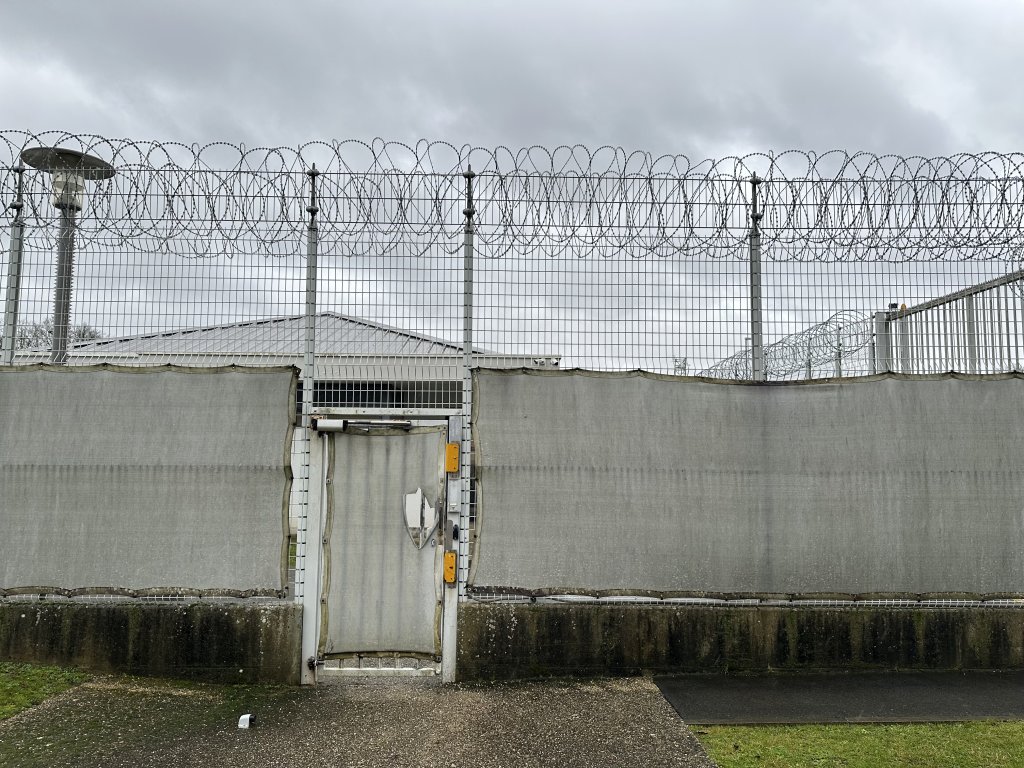
16,400 people passed through CRA in 2025.
On the other hand, the number of people detained in the 22 CRAs in mainland France is roughly the same as last year: 16,467 in 2025, compared to 16,228 in 2024. This represents a "slight increase of 1.5 percent compared to the previous year, related to an increase in available places more than to the effectiveness of the system," the associations explain.
As in previous years, nationals from three Maghreb countries made up the majority of those detained in the CRAs: Algerians (30 percent), Tunisians (11 percent), and Moroccans (10 percent), confirming, according to the associations, "the prioritization of certain nationalities." "Deportations to Algeria fell sharply in 2025, reaching only 263, compared to over 1,100 the previous year."
Since his visit to Algeria in mid-February 2026, French Interior Minister Laurent Nuñez has initiated a resumption of dialogue with Algiers. Since the beginning of the year, 140 deportations of Algerians have been carried out.
The majority of people placed in detention centers were detained following police checks (46.3 percent), while 29 percent were detained upon release from prison.
Read AlsoFrance: MPs approve seven-month detention for foreigners deemed dangerous
21,600 detentions in Mayotte
In France's overseas territories, 27,568 people were detained, with the Mayotte detention center alone accounting for 96 percent of these detentions (21,600), including 3,074 children. "This situation occurs despite repeated condemnations of France by the European Court of Human Rights, which has already condemned the detention of minors in a migration context 11 times," the report states.
In 2025, more than 20,000 deportations were carried out, the Mayotte prefecture said -- more than all the departments of mainland France combined. And they are swift. "When you arrive at this detention center, there's a good chance you'll be deported the following day (...)," a Mayotte police source encountered in Pamandzi, where the center is located, said. "The turnover is very high; there are departures every day to the Comoros."
Since the new "programming law for the refounding of Mayotte" passed in 2025, measures concerning the rights of foreigners have become stricter. The law notably imposes the requirement of a long-stay visa to obtain a first residence permit for family reasons, "a condition that risks making access to this right virtually impossible for many people," the report states.
Mayotte remains a territory ruled under exceptional laws. This new law has also reintroduced the possibility of detaining minors in specific "family units," even though the ban on detaining children was enshrined in the law of January 2024 and was scheduled to come into effect in January 2027.
Read AlsoItaly, France, and Germany team up for migrant repatriation