
The UK is experiencing one of the steepest declines in net migration and is at one of the lowest levels since 2012. Yet, public, media, and political discourse continues to be dominated by the language of crisis and a perception that it is on the rise. The latest data suggests Britain is already experiencing the effects of one of the most restrictive migration policy shifts in decades.
The latest figures from the UK Home Office and Office for National Statistics (ONS) show that net migration has fallen dramatically to 171,000 in the year ending December 2025. That is almost half the previous year’s figure and more than three-quarters below the post-pandemic peak of over 900,000 in 2023. It is, excluding the Covid years, the lowest level recorded since 2012.
The figures challenge the dominant political and public narrative that migration to the UK is continuing to spiral upwards. In reality, the data points in the opposite direction: migration is decreasing across work, study and family routes, and could have a negative impact on the UK's overall economic outlook.
Yet according to new research published by the independent think tank British Future, most of the British public remain unaware that migration has fallen at all.
Read AlsoBelgium warns of rising irregular beach departures as migrant crossings to UK shift away from France
Reality gap in UK immigration debate
The latest Immigration Attitudes Tracker, conducted for British Future by Number Cruncher Politics, shows a disconnect between public perception and statistics. Only 16 percent of people believe migration fell in the past year. Nearly half of the public (49 percent) think it increased, despite the sharp decline recorded by official figures. Most people also expect migration to rise again next year. The organization says that Britain’s political conversation has failed to catch up with reality.
"This is the lowest net migration since the Covid period yet only one in six people know the numbers fell at all last year. Half the public think net migration went up and expect it to increase again next year," Sunder Katwala, Director of British Future said. "Politicians are still rehearsing the same arguments from the record highs of three years ago. They need to take responsibility and talk about what’s happening now."
The research highlights how perceptions are shaped by politics and media narratives rather than statistical reality. Two-thirds of people skeptical about immigration believed migration increased last year, while six in ten people who want migration reduced still think numbers are rising. The findings suggest that for many voters, immigration has become a symbolic political issue detached from the reality or direction of travel.
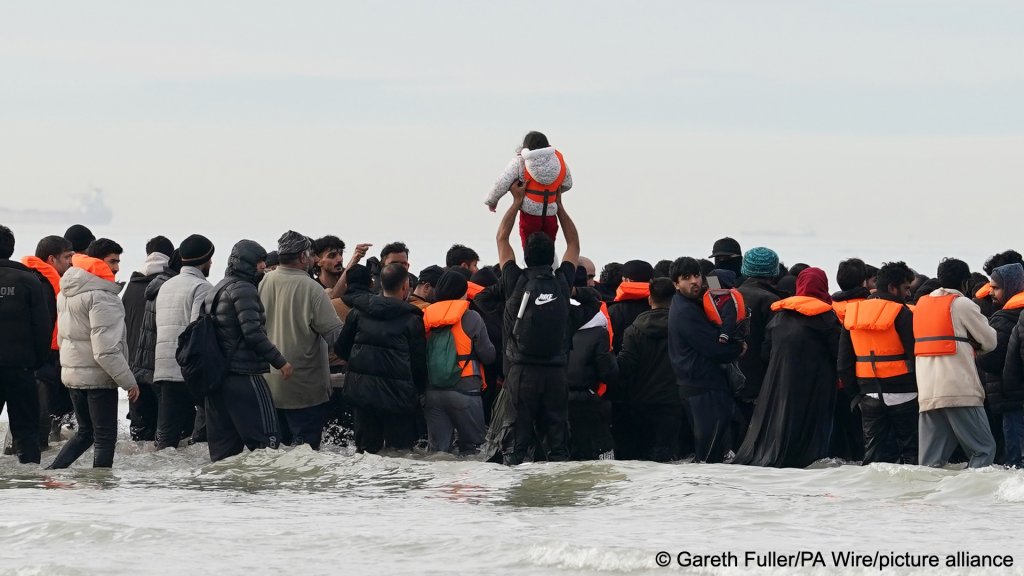
What do the numbers actually show?
The Home Office data paints a picture not of escalating migration, but of tightening immigration policy, a trend taking place across the European continent as far-right politicians and voters gain ground, and tighter controls are being enacted.
In the year ending March 2026:
- Work visas fell 17 percent year-on-year
- Sponsored study visas dropped by 37 percent compared with their 2023 peak
- Family visas declined 17 percent
- Skilled Worker visas fell by 76 percent from their 2023 peak
- Refugee Family Reunion visas fell by 17 percent
- Asylum claims fell 12 percent
The sharpest decline has come through work migration, particularly in health and social care. The number of visas issued to care workers collapsed after restrictions introduced under the previous UK Conservative government, and retained by Labour, limited dependants and raised salary thresholds. Visas issued to workers in caring personal service occupations, meanwhile, fell from 108,000 at their peak to just 1,400 last year.
The UK's statistics agency said the reduction was being driven largely by fewer arrivals from outside the European Union for work purposes. At the same time, student migration has also declined significantly following rules preventing most overseas students from bringing family members with them. Taken together, the figures suggest Britain is already experiencing the effects of one of the most restrictive migration policy shifts in decades.
UK politics still fixated on 'getting tough' on migrants
Despite the falling numbers, Prime Minister Keir Starmer said the figures showed the government was "delivering" but insisted "there’s more to do." Similarly, Home Secretary Shabana Mahmood described the statistics as evidence that the government was "restoring order and control to our borders."
The government has pledged further restrictions, including tougher English-language requirements and higher salary thresholds for skilled worker visas. The opposition has gone further still. Conservative politicians have called for annual immigration caps and major restrictions on permanent settlement.
The political pressure reflects an immigration debate that remains emotionally and culturally charged, even as migration levels fall sharply, thinks Bobby Duffy, Director of the Policy Institute at King’s College London:
"We know misperceptions are often more a reflection of an emotional reaction than a calm consideration of the facts, particularly on highly-charged issues like immigration," he said. "Currently there is very little talk about how much immigration has decreased."
Read AlsoUK: Migrant workers allege wrongful dismissal and breach of contract
Irregular boat arrivals across Channel represent small percentage
British Future has highlighted how significantly the public overestimates asylum migration.
The public estimates asylum accounts for around one-third of immigration to the UK. The real figure is approximately nine percent. Meanwhile, study migration, which actually makes up more than half of immigration, is consistently underestimated. Asylum and small boat crossings dominate political debate and media coverage, despite representing a relatively small proportion of overall migration.
The Home Office figures show:
- 94,000 people claimed asylum in the year ending March 2026
- 44,000 people were detected arriving via irregular routes
- Small boat arrivals accounted for around 39,000 of these
- More than half of asylum seekers arrived through irregular routes
At the same time, the asylum backlog has declined. The number of people awaiting an initial asylum decision dropped by 55 percent in a year, while the number of asylum seekers housed in hotels fell by 35 percent. This is largely, explained Madeleine Sumption from Oxford University's Migration Observatory to the BBC on Thursday (May 21), because of a faster decision making process for asylum claims and a concerted effort to get through the backlog, introduced under the current government.
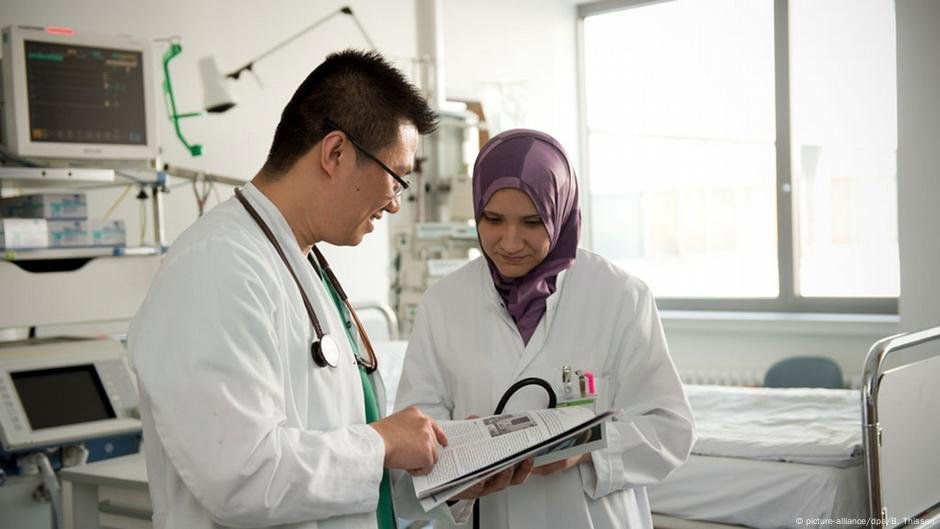
Human costs
As governments celebrate falling migration numbers, refugee and rights organizations warn that tighter restrictions can result in human tragedy and suffering. Non-profit Safe Passage International has warned that recent policies are limiting legal and safe routes for vulnerable children and families.
"Nearly 4,900 children crossed the Channel in the year ending March 2026. It’s likely that figure is even higher given the staggering number of children who are wrongly aged as adults by the Home Office when they arrive here," Safe Passage's Jo Cobley told InfoMigrants in an email statement.

"We’re also now starting to see the impact of the government’s suspension of Refugee Family Reunion, with a huge drop in the numbers of visas granted in 2026 so far. Behind these numbers are real families torn apart by conflict and persecution, including children stuck away from their parents and with no way to reach them in safety," Cobley continued.
"On top of this, there has been a huge drop in people being resettled in the UK. Without access to safe alternatives, we fear more people will turn to dangerous journeys across the Channel to reach safety and family."
"The Government must change its approach on refugee protection, starting by re-instating Refugee Family Reunion and opening safe routes," Cobley stressed.
The Home Office’s own statistics on age assessments add further complexity. Of those initially deemed adults during age assessments in late 2025, 17 percent were later found to be children.
How is declining immigration impacting the UK's economy?
The migration slowdown also raises economic questions. Britain’s post-Brexit immigration system was initially liberalized by Conservative governments to address labor shortages in sectors including health and social care. Now, with migration falling rapidly, employers are increasingly warning about recruitment pressures. Although, currently domestic unemployment in the UK is also rising.
A recent British Future study underlines that politicians must now grapple not simply with reducing migration, but with the economic consequences of doing so.
"Politics also needs to consider what lower immigration means for employers, university funding and the fiscal impacts on the public purse," Sunder Katwala has said.warned.
Universities, meanwhile, remain heavily reliant on international student fees and the NHS and care sectors also continue to face staffing shortages while demographic pressures tied to Britain’s ageing population have not disappeared.
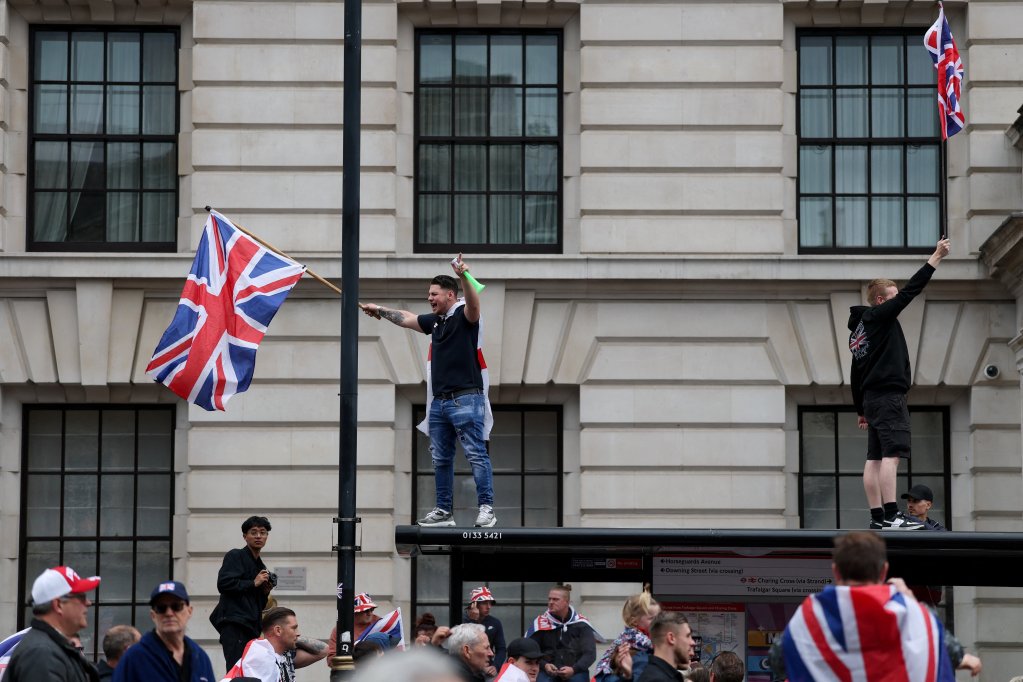
But as the current Labour government deals with its own political crisis; (an upcoming by-election in mid-June may trigger a leadership race,) with many Labour MPs expressing dissatisfaction with Starmer's record and ability to communicate even the wins successfully; Labour is keen to emphasize that it is prioritizing jobs for British workers first and foremost.
Read AlsoBritain renews Channel deal with France — amid opposition and controversy
What happens next?
The latest figures suggest Britain may soon see net migration fall below 100,000, levels not seen since the late 1990s. One of the questions emerging is what kind of immigration system Britain wants after this decline.
British Future has proposed the idea of an annual "Immigration Plan" debated openly in Parliament, arguing that greater transparency and accountability could help reduce misinformation and rebuild trust.
Public concern about immigration nevertheless remains high. According to the British Future tracker, 55 percent of people still want migration reduced further. With the anti-immigrant Reform party still polling strongly in many areas of the country, introducing pro-migration policies might be difficult in the near future.