
Belgian authorities have reported a rise in attempted Channel crossings from their coast, linking the trend to tighter French enforcement after a new UK–France migration deal, which has pushed smuggling routes northwards.
Belgium is reporting a rise in migrant smuggling activity along its coastline, with authorities warning that increased enforcement in France is diverting irregular Channel crossing attempts into Belgian territory.
The shift comes in the wake of a strengthened UK–France migration agreement signed in April aimed at preventing undocumented crossings, which has been followed by tighter French policing around traditional departure points near Calais in France. As pressure has mounted there, smugglers are increasingly relocating operations northwards into Belgium’s coastal dunes and beaches, according to Belgian police, EU border monitoring, and local officials cited in recent reporting by Belga News Agency and Agence France-Presse (AFP).
Government figures show more than 400 people have already been intercepted attempting to cross the Channel from Belgium so far in 2026, compared with none recorded throughout 2025.
Some set off from Belgium and then head into French waters to reach the shortest crossing points, before heading towards the UK.
Read AlsoBelgium fails to house asylum seekers adequately, ECtHR ruling finds
Smugglers shifting north along the coast
Local authorities say the pattern reflects a clear displacement effect. In Middelkerke, a coastal municipality in Belgium, mayor Jean-Marie Dedecker has pointed to tougher enforcement in France as a key driver behind the change, arguing that as pressure increases on the French side, smugglers simply "move along the coastline" to Belgian beaches.
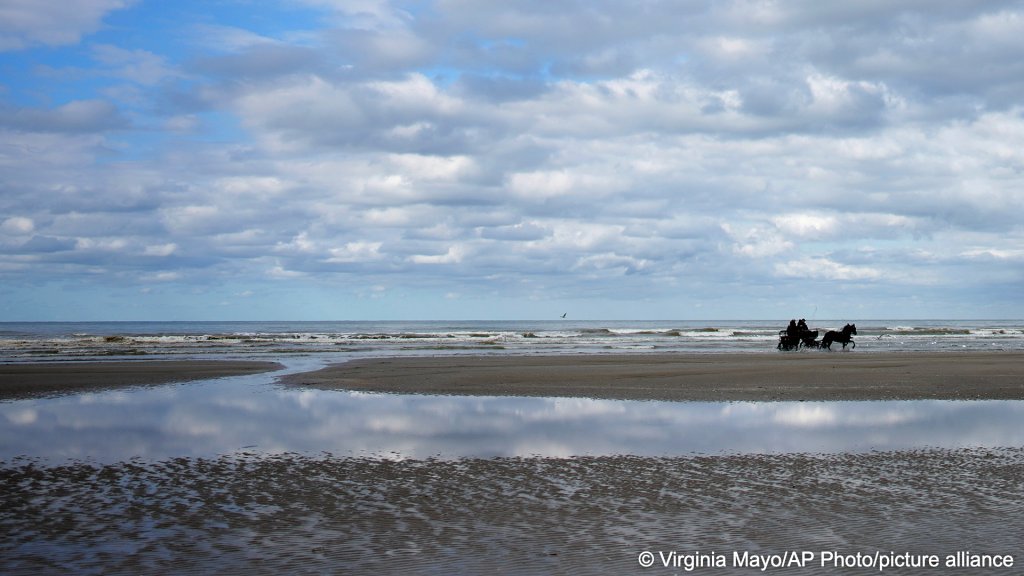
Belgian police describe increasingly organized activity, with boats and engines concealed in sand dunes before being inflated in pre-dawn operations. Vessels are often launched before sunrise, carrying groups of migrants toward France before attempting the crossing to England, sometimes picking up additional passengers along the way.
Deputy police chief Christiaan De Ridder said smugglers are adapting routes along the coastline, using Belgian beaches as staging points rather than final departure hubs.
At its closest point, Belgium lies roughly 80 kilometers (50 miles) from England, significantly further than the approximately 30 kilometers separating France’s Calais region from the UK coast, making the journey riskier and more logistically complex.
Read AlsoBelgium and Algeria sign landmark migration agreements
Rising police pressure and safety concerns
Belgian coastal police forces say they are struggling to cope with the increase in activity, warning of growing safety risks and resource constraints.
Senior police officials told parliament that summer months are expected to bring further pressure, as small boats typically depart in early morning hours, stretching patrol capacity, Belga News Agency reported.
Police chiefs have called for expanded surveillance infrastructure, including thermal cameras, drones, and dedicated coastal coordination centers to manage interceptions and processing.
In April, Belgian authorities intercepted several boats carrying around 200 people off the coast and redirected them toward French waters.
Read Also78 migrants rescued after attempting Channel crossing from Belgium
Dangerous sea crossings threaten lives
Repeated incidents also illustrate the dangers of the crossings. In one recent case off De Haan in Belgium, 19 migrants were rescued from a leaking dinghy after it began taking on water during an attempted night-time crossing. Only one person on board was wearing a life jacket, according to federal police reports.
Earlier interceptions near Knokke-Heist in April also found groups of migrants carrying inflatable boats, motors, and life jackets hidden in dune areas, suggesting organized preparation for sea departures. Investigators believe smuggling networks are spreading activity across the entire Belgian coastline.
The European border agency Frontex has attributed the shift primarily to intensified controls on the French coast, which it says are pushing smugglers to search for alternative departure points further north.
Read AlsoEU discusses deportation 'hubs' at interior minister conference
Authorities call for stronger support on coastline
The rise in activity has placed pressure on the Belgian federal government, which has sought to avoid the perception that its coastline is becoming a new entry point for Channel crossings. Migration minister Anneleen Van Bossuyt has stressed the need to deter smugglers from viewing the Flemish coast as an alternative route.
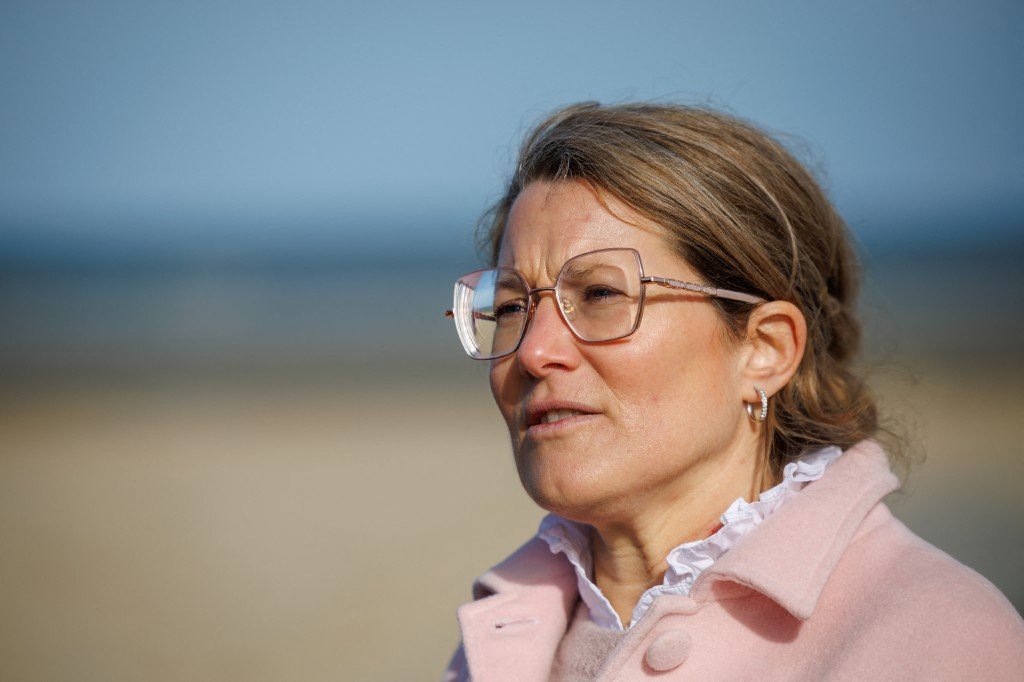
Local leaders, however, argue that enforcement alone may not be sufficient. West Flanders officials have called for additional federal support, arguing that current patrol levels are stretched beyond sustainable limits.
West Flanders governor Carl Decaluwé has even urged consideration of stronger border controls with France, citing reports of groups being transported by bus to border areas before attempting to reach Belgian beaches.
As summer approaches, authorities expect further attempts if weather conditions remain favorable, with police warning that the evolving route is likely to persist as long as pressure remains high on the French side of the Channel coast.
With AFP and Belga News Agency