
Migrant workers in Spain’s greenhouses are hopeful that the regularization campaign can improve their working conditions. Up until now, many of them have worked as undocumented migrants, experiencing lower pay and tough conditions.
"Without documents, you work for five euros an hour. With documents you work legally, with more money, maybe seven or eight euros an hour," explained 27-year-old Moroccan migrant Abdelmoujoud Erra to reporters at the news agency Reuters recently.
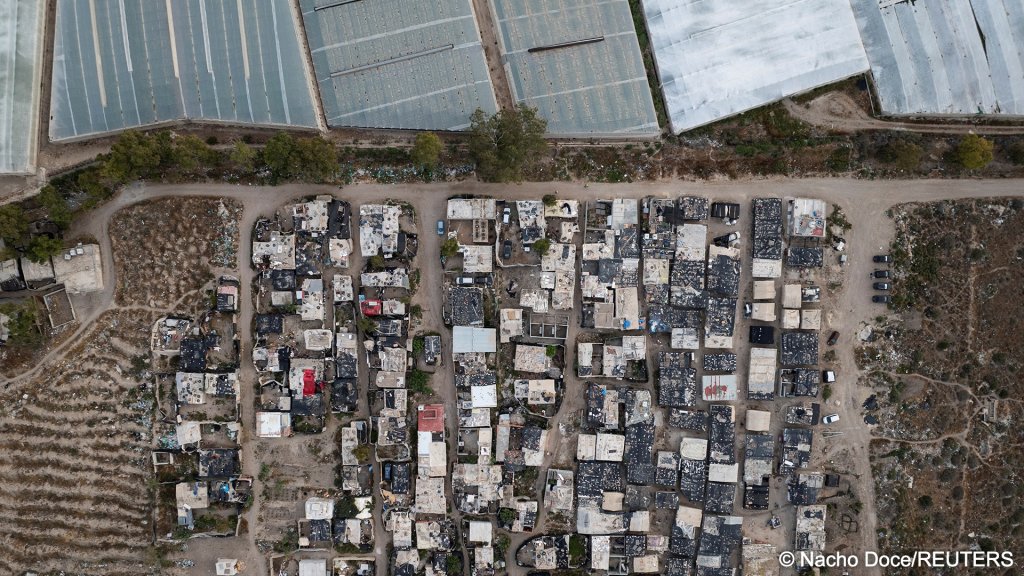
Erra has been working in Spain undocumented for the last seven years. He relies on day jobs and lives in a shanty town, temporary accommodation with very little in the way of running water or sanitary conditions. He has now placed his hopes in the current regularization campaign, thinking that if he manages to regularize his position in Spain, he could start to earn a little more money.
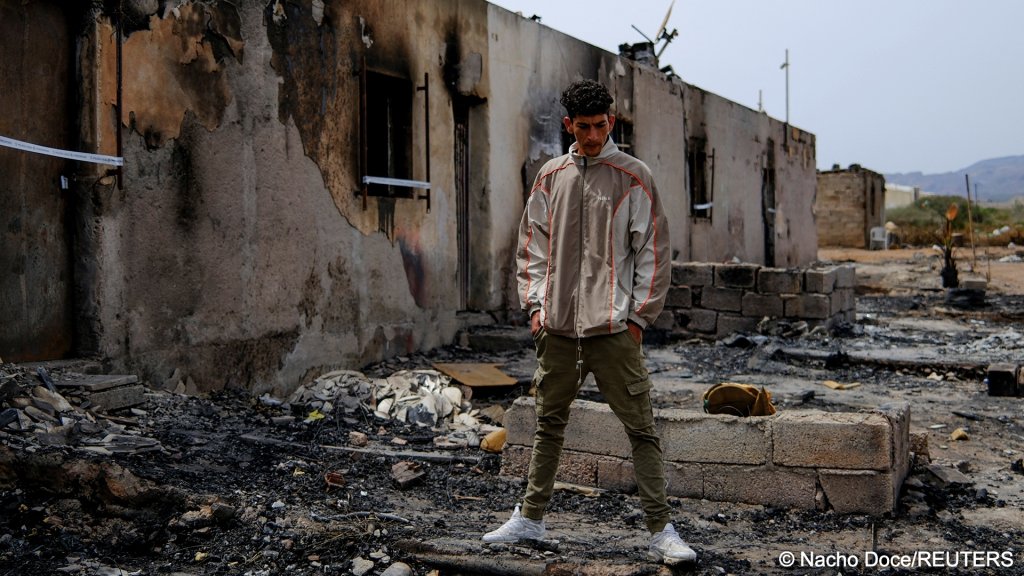
He tells Reuters that he wishes that he could have been regularized sooner. He had planned to build a professional boxing career, and had he had the correct papers, he could have also visited his family in Morocco. Instead, he feels, "I’ve lost a lot of time. If only I had had the papers earlier."
Last month, a fire hit the informal settlement where Erra lived, reports Reuters, destroying most of his and other inhabitants' belongings. Luckily, he had already stored his documents for the regularization at the local Red Cross office, and so he is hoping that his bid to be regularized will go ahead.
Read AlsoSpain: Children and dependent adults with disabilities can obtain residency alongside their parents
Undocumented labor
Erra is one of thousands of undocumented migrant workers who toil in Spanish greenhouses, which stretch across much of the southern province of Almeria and represent Europe’s largest concentration of greenhouses, providing fruit and vegetables for the rest of the continent and beyond.
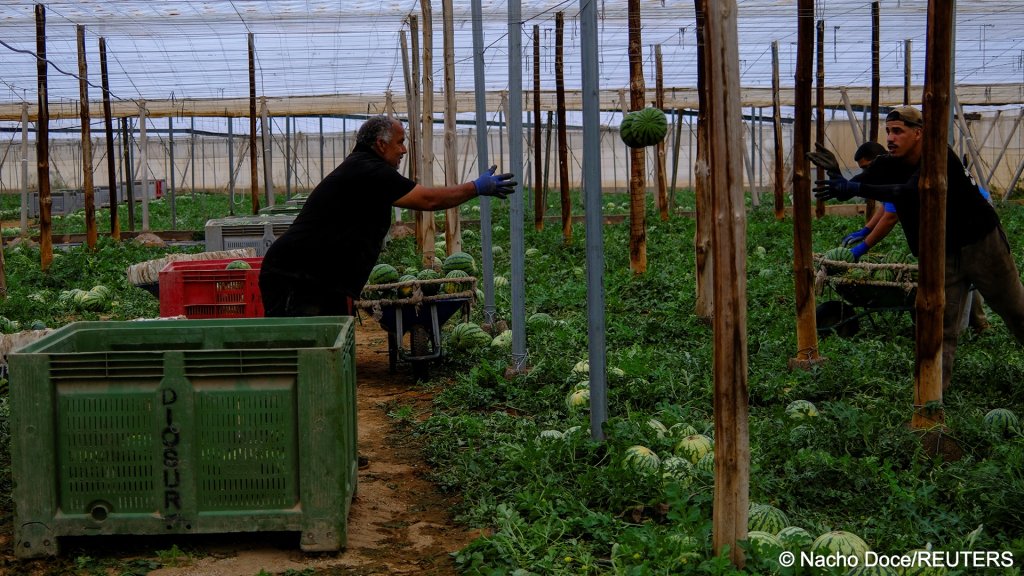
Almeria boasts around 30,000 hectares of crops grown under plastic and in green houses. The hot sun for most of the year and the indoor farming allows the area to produce fruit and vegetables right through the European winter. According to Reuters, exports from this industry are worth around three billion euros annually and employ around 80,000 people according to union estimates.
Across this area of southern Spain, it is common in the early mornings to see migrants waiting at roundabouts, hoping to be picked up and hired for a day in one or other of the greenhouses nearby.
Reuters believes that many of those currently working on lower pay and under tough conditions are attempting to apply for the amnesty. Spain’s socialist-led government under Prime Minister Pedro Sanchez has declared that the regularization campaign is intended to harness the economic benefits of migration and help counteract Spain’s ageing population.
Not all the migrant workers who are employed in the greenhouses are undocumented. But some estimates suggest that around 10,000 migrants might be living in sub-standard housing like Erra, and around 70 percent of the workforce could be working undocumented.
Read AlsoMorocco intercepted fewer irregular migration attempts in 2025
Contributing to Spanish economy
Estimates vary as to how many undocumented migrants are in Spain at the moment, but experts at the Spanish think tank Funcas believe there might be as many as 840,000 people working undocumented, which means not only are they probably working under worse conditions than their documented counterparts, but also not paying taxes into the system.
Some agriculture business groups and unions believe that the regularization campaign could help them address worker shortages.
Andrés Góngora, coordinator of the farmers’ union COAG told Reuters that the sector does employ some migrant workers who don’t have papers and he hoped the regularization could offer stability for both employees and employers. Having a larger regular workforce might allow for the planting of more labor-intensive crops and foster social cohesion in the area, Góngora believes.
Michael Aymaga, a 35-year-old undocumented Ghanaian is also hoping that the regularization will help him not only experience better conditions but contribute to Spanish society too. At the moment, he tells Reuters, he lives in a migrant settlement outside the town of Nijar, with only intermittent power supply and limited water access.
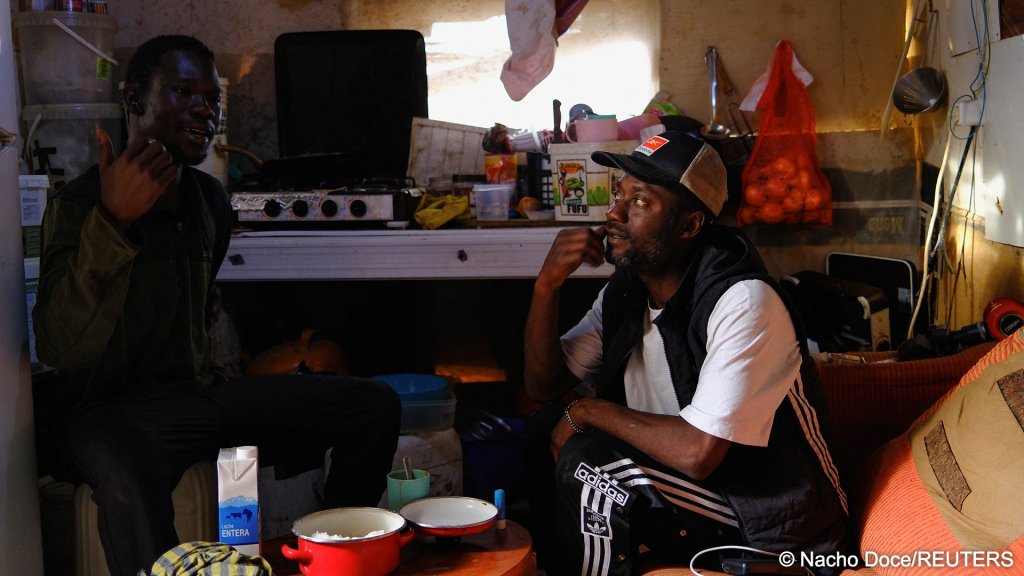
If regularized, Aymaga promises, "I would definitely use all my skills and everything I have to help Spain (become) a better Spain."