
Research suggests that undocumented migrants across the European Union shy away from accessing the healthcare services that they are legally entitled to. While some feel ill-equipped to navigate complex systems, others worry that their illegal residency status might be found out. The result is a growing health crisis among Europe's migrants population which keeps growing.
Across Europe, there are thousands of migrants finding themselves having to navigate complex healthcare systems. Those who are undocumented for any reason tend to run into the most issues, according to the latest information.
Researchers meeting in Geneva on the sidelines of the World Health Assembly have issued a warning that undocumented children and undocumented elderly migrants in particular are at risk of falling through the cracks of the maze of European healthcare systems.
Their findings were presented as part of the GRACE project ("Growing and ageing in the shadows") — a multinational collaboration involving six European universities led by Professor of Medicine Yves Jackson and health sociologist Professor Claudine Burton-Jeangros of the University of Geneva, which examines how undocumented migrants experience healthcare access across the continent.
Access to healthcare is identified as a fundamental human right, which is supported by various international framework agreements including the WHO Global Action Plan and the 2026 Progress Declaration of the International Migration Review Forum (IMRF) by the UN. However, these rights often remain theoretical at best and are not fully translated into many of the complex bureaucracies which are the backbone of Europe's healthcare systems.
Read AlsoSpain to extend free healthcare to irregular immigrants
Many systems, identical problems
Officially, EU countries have to render general health and emergency services to everyone regardless of their status — however, the point of access for these services can vary hugely from country to country.
Preliminary results of the GRACE project point to a recurring pattern that is applicable to most European contexts: while the legal protections may exist on paper, certain administrative issues, instances of discrimination and internalized fear on the part of migrants often create major barriers, rendering true access to healthcare out of reach.
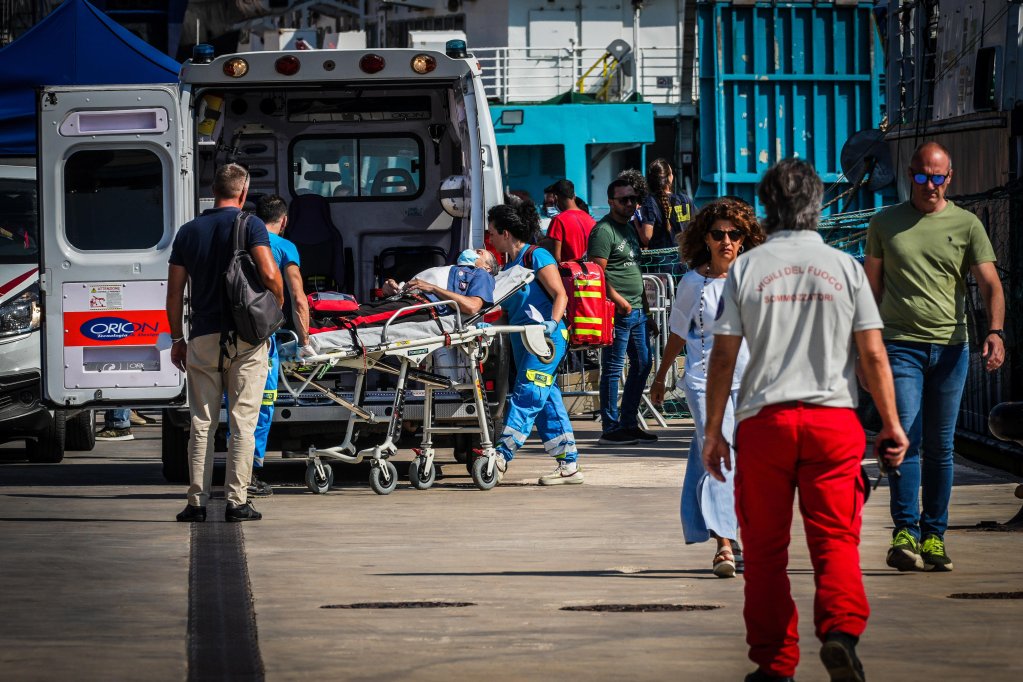
The consequences range from untreated chronic illness to severe mental health crises and preventable emergencies, the research found. For many, enjoying medical treatment depends less on having the right to access and more on luck.
Researchers collected anecdotal evidence that many undocumented people only receive the treatments they need for reasons like finding a sympathetic doctor, dealing with an informed social worker, or encountering an NGO that is willing to intervene on their behalf.
Read AlsoTransplanted from Syria to Lebanon to Cyprus: A father's determination to save his son
Fear of being discovered
Since the methodology of the research involved relies greatly on self-reporting, researchers in the project say that measuring the scale of the problem is difficult in itself.
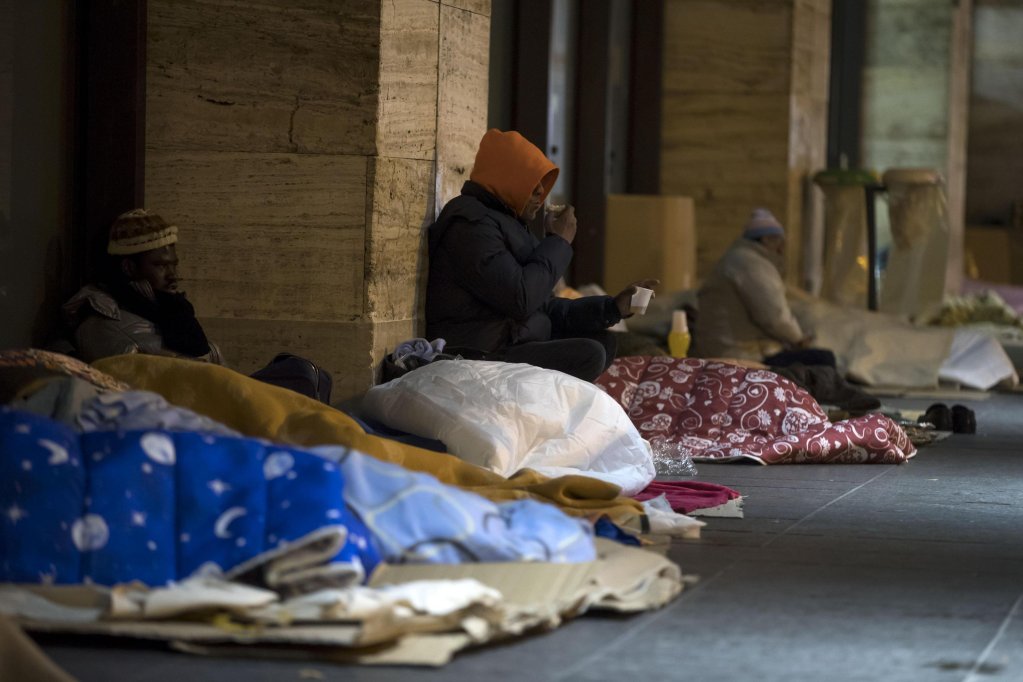
Many undocumented migrants are reluctant to speak of their experiences, often avoid people who work for official institutions — including university researchers — altogether, citing their fears of being found out and, ultimately, deported.
GRACE researchers say that gaining representative numbers is even made more difficult wherever children are involved, as they have to go through their parents or caregivers to collect data points.
In EU countries like Germany, there is no reliable estimate of how many undocumented children might even be in the country; official projections can range from only a few thousand to well above 100,000.
"If you are in a vulnerable situation, and you are afraid of being deported, or you are afraid of being punished by the system that you seek health or care from, there's a problem," warned Daniel Mic, a representative of the WHO Special Initiative on Health and Migration.
"We will understand the challenges only if we have the data," he added, noting that capturing necessary public health data becomes difficult when fear drives individuals away from clinics and other healthcare facilities that would otherwise be able document their conditions.
Reaching beyond the research, this sense of invisibility also creates a political paradox: without sufficient data, governments will struggle to design future policies to better serve undocumented migrants, while at the same time fear keeps many people outside healthcare systems that would generate the evidence needed to best serve them.
Secondary migration as an issue
Since there are many undocumented migrants who arrive at their situation after crossing multiple internal EU borders irregularly, confusion can multiply.
Under the EU's Dublin regulation, an asylum seeker's first country of entry is responsible to process their case and help provide all services they are entitled to, including healthcare.
But there are migrants who after a while — and often while their asylum is still being assessed — move onwards to another EU country, where they hide for a certain period (usually at least six months) to avoid being deported back to the first EU country of entry.
During this time, they neither have access to whatever healthcare system they had become accustomed to in their country of first arrival, nor do they feel safe approaching authorities in their new country to seek out their help, while their status in that country is undocumented.
On top of that, Europe's healthcare systems differ widely from nation to nation.
Read AlsoItaly: New healthcare agreement aims to help migrants
Differences across EU
Despite systemic differences in various EU countries, the GRACE researchers identified a series of common barriers which undocumented people appear to repeatedly run into.
In Denmark, for instance, access to healthcare largely depends on obtaining a central registration number tied to a person's legal residency. Those who are excluded from this system for whatever reason will often have to rely on volunteer-run clinics to receive basic treatment.
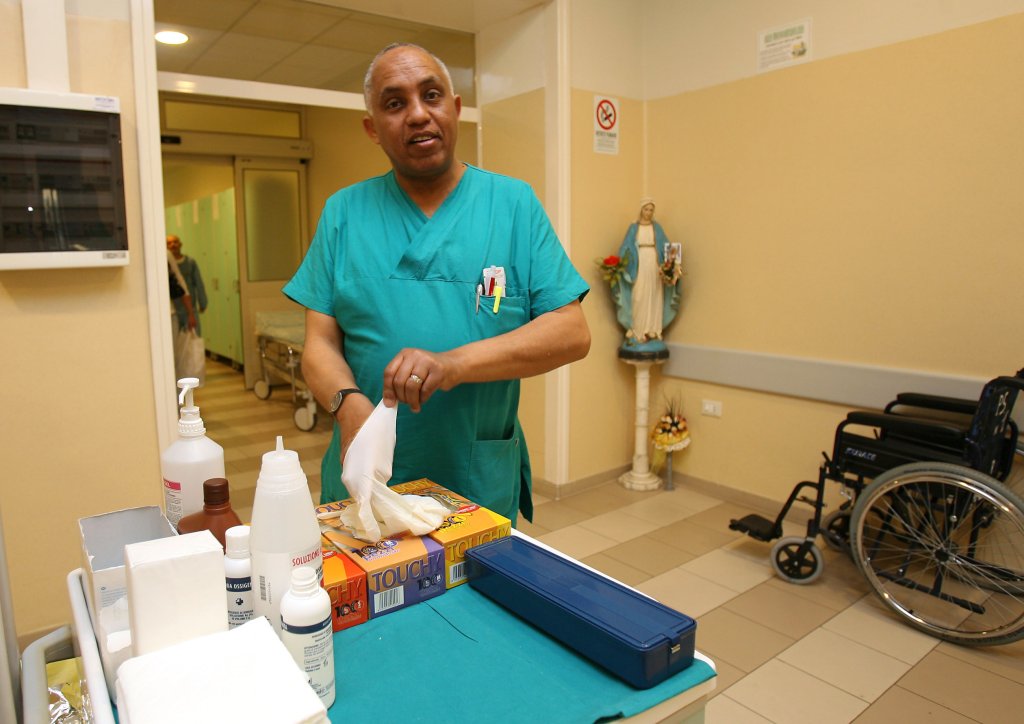
France meanwhile offers broader and more accessible formal protections, including state-funded medical support for many undocumented migrants in the country. However, the researchers found that patients are still frequently refused care despite having such legal entitlements, as administrative complexities obstruct access.
In the Czech Republic, the research found that some undocumented people avoid trying to make sense of the local healthcare system altogether and rather use telemedicine to maintain remote consultations with doctors in their countries of origin. That failing, some will seek out doctors, who have to rely on their personal discretion to classify treatments as "acute care" interventions in order to legally compel hospitals to provide treatment.
Researchers meanwhile described the case of Germany as a severe contradiction, where doctors and other healthcare professionals will maintain their confidentiality but at the same time, welfare and social service offices are required to report undocumented individuals to authorities whenever public funds are used to finance any aspect of their care. This, they argue, has led to a pervasive fear of deportation which discourages undocumented people from seeking medical treatment at all.
Read AlsoZurich to offer free basic healthcare to uninsured and undocumented residents
Born into invisibility
In the case of children of undocumented migrants, the consequences can begin with birth: Researchers participating in the GRACE project from France estimate that around 3,000 mothers and their newborns leave hospitals directly after having given birth; while most of these cases are believed to involved homeless people in general, the proportion of undocumented migrants among them is believed to be high.
The lack of access to health services among undocumented migrants can create situations that border on neglect where their children are concerned: Children can miss routine immunizations, preventive interventions, dental treatment and — where applicable — mental health support.
Unaccompanied minors with papers may face even harsher conditions: Many can end up experiencing traumatic conditions, which by definition would require medical supervision, from homelessness to malnutrition — not to mention the heightened risks of exploitation, including sex work.
The pattern of lacking healthcare can continue and can even be further reinforced when these minors turn 18: Suddenly, they may find themselves navigating complex healthcare systems "as adults" which they might be excluded from or cannot afford to be part of; special protections given to children under the age of 18 may end abruptly, leaving many unaccompanied adults to fend for themselves regardless of their health conditions.

Ageing populations without support
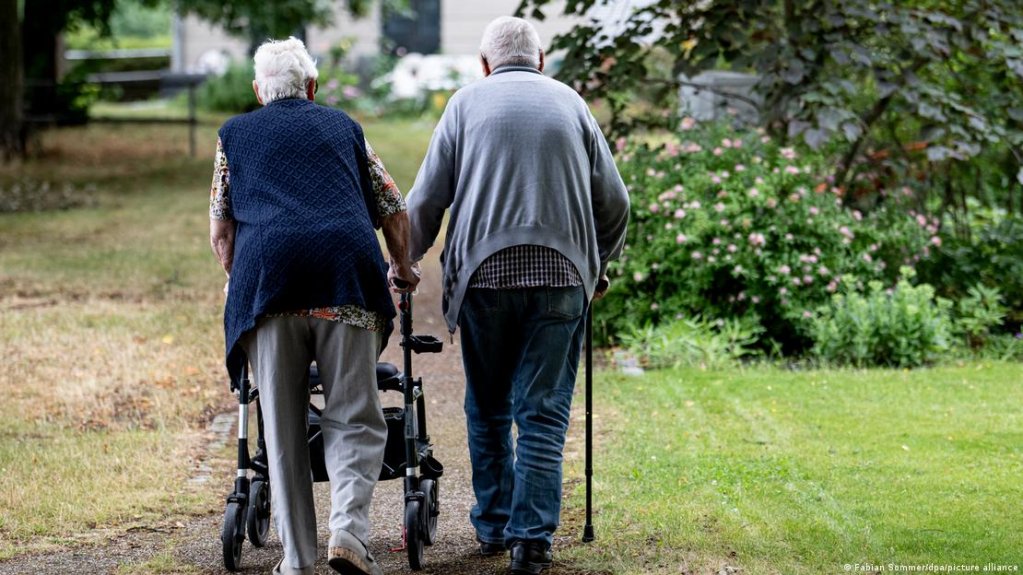
Meanwhile, older undocumented migrants may face a different form of exclusion from European healthcare systems, the research highlighted.
Many of them will have spent decades in physically demanding informal and irregular work settings, having remained undocumented — in some cases — for the whole or the majority of time they were in the country.
However they may have managed to navigate health issues during that time may no longer be a feasible option once they reach a certain level of frailty.
Furthermore, the GRACE researchers described widespread experiences of "accelerated ageing" among these populations, citing many instances of chronic untreated pain and deteriorating cognitive health.
Since healthcare entitlements across Europe remain closely tied to formal employment status and legal residency status, this leaves many older undocumented people stranded at a time, when they might need the most help.
Additionally, as ageing migrants lose their ability to work, they may simultaneously lose eligibility for support.
Read AlsoItaly: MSF opens migrant-focused health orientation center in Trieste
Hidden long-term crises
The bottomline message of the GRACE consortium is that, first and foremost, the widespread fear of deportation among many undocumented migrants pushes them to avoid healthcare systems entirely in all parts of the EU that they examined.
The research also found that in response to this fear, such demographics increasingly seem to turn to informal solutions instead: stockpiling medication, consulting online forums or artificial intelligence, seeking treatment abroad, or maintaining remote consultations with doctors in their countries of origin.
This, in turn, can create problems once an undocumented migrant ultimately may succeed in gaining a legal status; years of wrong medication, bad advice or ignored ailments can take a greater toll on public healthcare systems, and cost them more in such cases; trips to doctors in other countries may solve acute health issues but could later result in doctors in EU countries not having a full picture when a patient presents for treatment.
For the WHO, closing such information gaps has become a priority in their overall policy goals — especially in the context of undocumented people. By the end of the year, the GRACE project says it hopes to present concrete recommendations that can be turned into recommendations for European governments and to advocate to policymakers how to improve healthcare access.
World Health Organization (WHO) Special Initiative on Health and Migration Mic says he is ready to resume dialogue with the EU countries to try and move these findings into more concrete collaborations or eventual policies.
Read AlsoProject for migrants healthcare rights presented at conference