
During a visit to the Central Asian country on May 7, Austria's Foreign Minister Beate Meinl-Reisinger and Interior Minister Gerhard Karner signed a "migration and mobility agreement" linking deportation cooperation with legal labor migration pathways. It is believed that Uzbekistan is to serve as a transit country for the deportation of Afghan nationals from Austria.
Austria’s Foreign Minister Beate Meinl-Reisinger and Interior Minister Gerhard Karner signed a "migration and mobility agreement" with the Uzbek government during an official visit to Uzbekistan on May 7, according to a statement from the Austrian interior ministry.
The agreement is intended to improve coordination between the two countries, particularly on deportations and the return of migrants, the Austrian newspaper Die Presse reported. Uzbekistan is to serve as a transit country for the deportations of third-country nationals from Austria.
The ministry statement quotes Foreign Minister Beate Meinl-Reisinger as saying: "Especially when it comes to returning third‑country nationals, which requires regional cooperation, reliable partners and clear procedures are essential. With agreements like this one with Uzbekistan, we create the necessary framework to implement the rule of law consistently and to ensure an orderly migration policy in practice."
Interior Minister Gerald Karner added that "The consistent execution of deportations is part of a tough and fair asylum policy. With the mobility agreement with Uzbekistan, we are taking another step in this direction."
For Uzbekistan, the deal could provide a legal migration channel into the European labor market. The Central Asian economy remains heavily dependent on remittances sent home by migrant workers, primarily from Russia, Kazakhstan and South Korea. According to World Bank data, remittances in 2024 tallied up to 16.6 billion dollars (14.1 billion euros) and accounted for around 14.4 percent of Uzbekistan’s GDP.
Deportation of Afghan nationals?
According to Die Presse, the new agreement is meant to provide Austria with a new deportation option for sending back Afghan nationals. Under the proposed arrangement, Afghan nationals with deportation orders in Austria would reportedly be flown first to Uzbekistan before onward transfer to Kabul and escorted by Austrian authorities, Die Presse reported. Austria had previously relied on Istanbul for returns to Afghanistan. Return centers are reportedly not part of the proposed deal.
Lukas Gahleitner‑Gertz, a legal expert at Asylkoordination Austria, was cited by the German newspaper taz as saying that Uzbekistan would only allow Afghans to be transported through its territory if their admission in the destination country is guaranteed. This means that "contact with the militant Islamist Taliban will therefore not be spared for the Austrians," according to Gahleitner‑Gertz.
Austria continues to host one of Europe’s larger Afghan communities. As of 2025, government data recorded around 50,000 Afghan citizens living in Austria, with the majority concentrated in Vienna. Afghan nationals have consistently ranked among the top asylum-seeking groups in Austria over the past decade. In 2024, there were close to 3,500 asylum applications from Afghan nationals.
Returning to risk
The potential collaboration between Austria and Uzbekistan reflects a broader trend where European countries are shifting away from the protection policies adopted after the Taliban seized Kabul in August 2021. In the chaotic aftermath of the withdrawal of US and North Atlantic Treaty Organization (NATO) forces, several European states, which included Germany, the United Kingdom and Austria evacuated Afghans considered at risk, including former interpreters, activists, journalists and women human rights defenders. Countries adopted various resettlement programs underpinned by international protection.
However, the initial willingness to offer refuge is gradually eroding amid rising anti-migration politics across Europe, strained asylum systems and pressure from governments to increase deportations of rejected asylum seekers.
Humanitarian groups warn that Afghanistan, now under the rule of the Taliban for five years, remains unsafe for forced returns.
The International Rescue Committee (IRC) says 40 percent of Afghanistan’s population is experiencing hunger while climate shocks, economic collapse and mass displacement continue to devastate communities. Women and girls remain excluded from secondary and higher education, face severe employment restrictions and encounter growing barriers to healthcare.
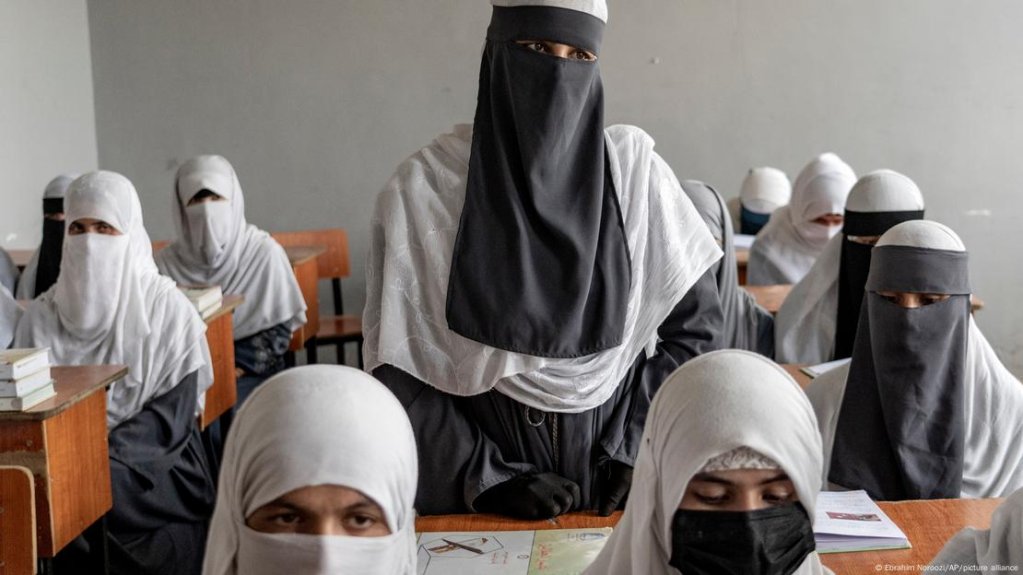
"Afghans deported now would return to a country unable to guarantee their safety, feed them, or provide the healthcare and livelihoods they need to survive," the IRC warned in a recent statement released last week (30 April).
According to the organization, more than 22,000 Afghans had been ordered to leave EU countries by late 2025. At the same time, Afghans remained among the top nationalities seeking asylum in Europe and continued to dominate movement along the Balkan migration route.
In Italy alone, IRC teams working near the Slovenian border assisted almost 900 unaccompanied Afghan children in 2024.
"Since the beginning of our work at the Italy-Slovenia border in late 2021, supporting people arriving through the Balkan Route, we have met almost 30,000 Afghans on the move — one in four of them were children," said Alessandro Papes, the IRC’s area manager in Trieste.
Tacit acknowledgement
The Austrian-Uzbekistan discussions also underscore a growing diplomatic dilemma confronting European governments: how to coordinate deportations to Afghanistan without formally recognizing the Taliban administration.
No EU country currently recognizes the Taliban as Afghanistan’s legitimate government. Yet any deportation process ultimately requires some level of engagement with Taliban authorities who control border crossings, airports and identity verification systems.
The European Council on Refugees and Exiles (ECRE) warned that such cooperation risks "shoring up the rhetoric that it (The Taliban) is a stable government that the world is recognizing, albeit slowly."
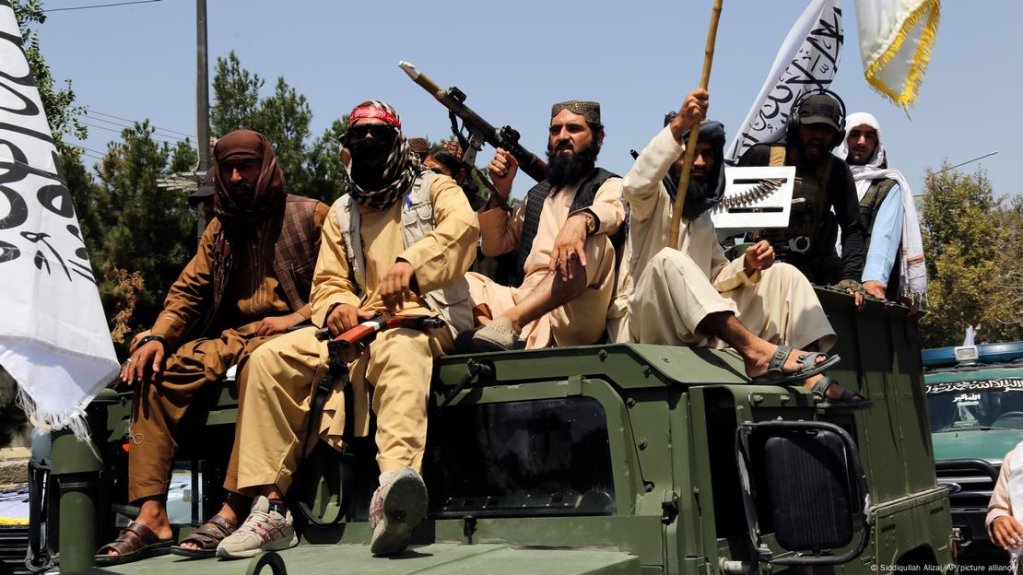
According to the ECRE, unlike internationally recognized states, the Taliban government does not operate under a constitution or codified legal system. Power remains highly centralized under Taliban leadership, while courts function through clerics applying varying interpretations of Sharia law. Agreements with foreign governments can involve opaque negotiations across ministries and shifting political directives.
The ECRE stressed that even "technical" migration coordination may be portrayed domestically by the Taliban as evidence of international acceptance.
"It is absolutely paramount that the EU considers all the precarities involved in reaching any deal with the Taliban government that could tarnish European credibility and put Afghan deportees in a dangerous loop. It would also result in a dichotomy of offering the Taliban regime political and legal legitimacy while claiming that the EU is only pursuing “technical” contact,'' said the ECRE.
Read AlsoGermany: More deportations to Afghanistan raise criticism over collaboration with Taliban