
Thousands of children in Senegal are left to cope with the knowledge that one or both parents have disappeared or died after embarking on a migration journey to Europe. The pain this causes is often even harder to deal with because the decision to leave is seen as taboo in Senegalese society, even though not uncommon.
"I cried a lot, and then I told myself it was God’s will," says Fallou quietly, his face contorting and shaking, when asked to talk about his mother Awa’s death. Fallou, wearing a blue top and shorts, and his younger brother Bara, in red, are now being raised by their grandmother Ndey Ndiaye after their mother reportedly died on a pirogue that capsized off the coast of Morocco, while hoping to reach the Canary Islands.
His words are whispered, explains the reporter for the French news agency Agence France Presse (AFP), who wrote the feature about the families left behind after a migrant dies en route to Europe, because, like many children coping with the disappearance of a parent, he finds it hard to talk about and so has "chosen to remain quiet."
Some children and family members will never know exactly what has happened to their loved ones; all they know is they went away one day and are unlikely to return. Saliou Diouf, founder of the Boza Fii association, which helps maintain memories of the migrants who die or disappear, estimates that children like Fallou and Bara are among thousands affected by the tragedy of migration journeys that went wrong.
Read Also'Authorities blame us for all the problems', say Senegalese migrants expelled from Mauritania
Migration is still a taboo subject, making grief harder to deal with
In Senegal’s western port city Mbour, deciding to migrate is seen as somewhat taboo, reports AFP, which makes grieving for those who remain even more difficult. In recent years, the Senegalese authorities have been attempting to crack down on boats departing from their shores, and so many families are also afraid to share their children's stories due to the repressive approach.
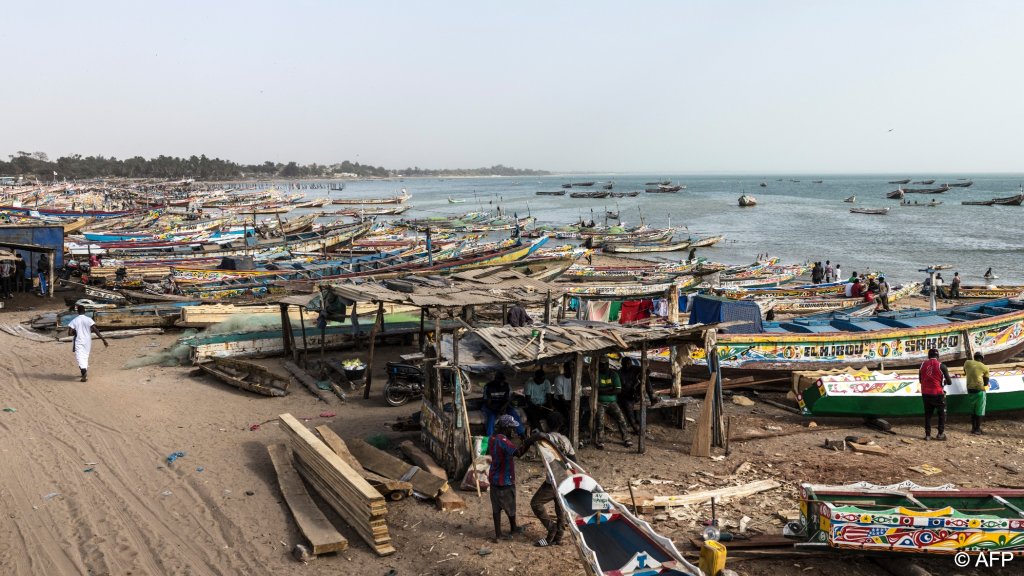
Fallou and Bara’s mother was in her 30s when she set off on the pirogue in 2024. Fallou says that he doesn’t like to talk about Awa’s death with his maternal grandmother, her mother, or his friends, and only occasionally talks to his father, who has left but occasionally visits.
Fallou says his father has told him that his mother was a "good person." But after Awa’s death, his family fell apart. His father returned to live with his own family and Fallou and Bara were left with their grandmother. However, they were so poor that the grandmother was forced to give Bara to be looked after by his godfather.
Awa’s mother said her daughter had not talked to her about her plan to migrate, but she had often noticed her daughter "wearing herself out," and hoped to help her more. "She simply told me she had to go to Dakar," Ndiaye explains.
Read AlsoSpain: Immigrant from Senegal hoping for legal residency
'Pray for me'
But, one evening Awa called her mother and admitted, "Mum, I took a pirogue to reach Europe and I would like you to pray for me." Two weeks later, the family received a call, saying that Awa had died in a hospital in Morocco. "They never brought me her body," Ndiaye whispers, also crying.
"Seeing children, innocent people like them, having to live without a mother, it affects you to the core," she confides.
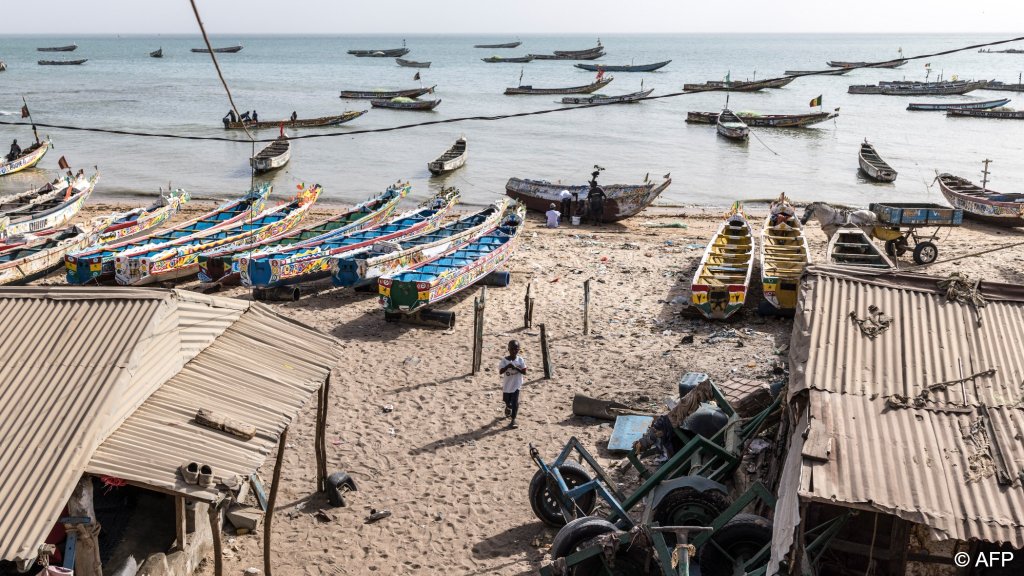
In the year Awa's death was confirmed, 2024, the IOM’s Missing Migrants project recorded 1,215 deaths on the Atlantic route towards the Canary Islands. Spanish NGO Caminando Fronteras (Walking Borders) estimates the actual death toll to be much higher, more like in the region of 10,000 for that year, although that is estimating the number of deaths on all routes to Spain and not simply from western Africa to the Canaries.
In 2025, the IOM recorded 1,176 deaths on the Canary Islands route, and so far this year, the death toll stands at 129, but the number of those arriving on the Canary Islands has also reduced significantly this year and last compared to the numbers crossing in 2024.
According to UNHCR, which last updated its data for Spain on April 30, just 2,276 migrants have arrived on the Canary Islands since the beginning of the year. In 2025, 17,788 migrants crossed from western Africa towards the Canary Islands, and in 2024, 46,843 crossed, representing a peak of crossings on that route in the last decade.
Read AlsoNGO monitors Atlantic migration route to the Canary Islands from the sky
Lacking information
Since 2024, Spain and Senegal stepped up their bilateral cooperation, signing agreements of development and support from Europe in return for increased monitoring of migration along the coasts. Although this, in combination with similar agreements with other West African countries like Mauritania and Morocco, has resulted in a drop in the number of arrivals, the push factors for migration remain (unemployment, depletion of fishing stocks, political instability and poverty, lack of opportunities), and those who do seek to cross now often do so on longer and more dangerous routes, in a bid to try and avoid those controls.
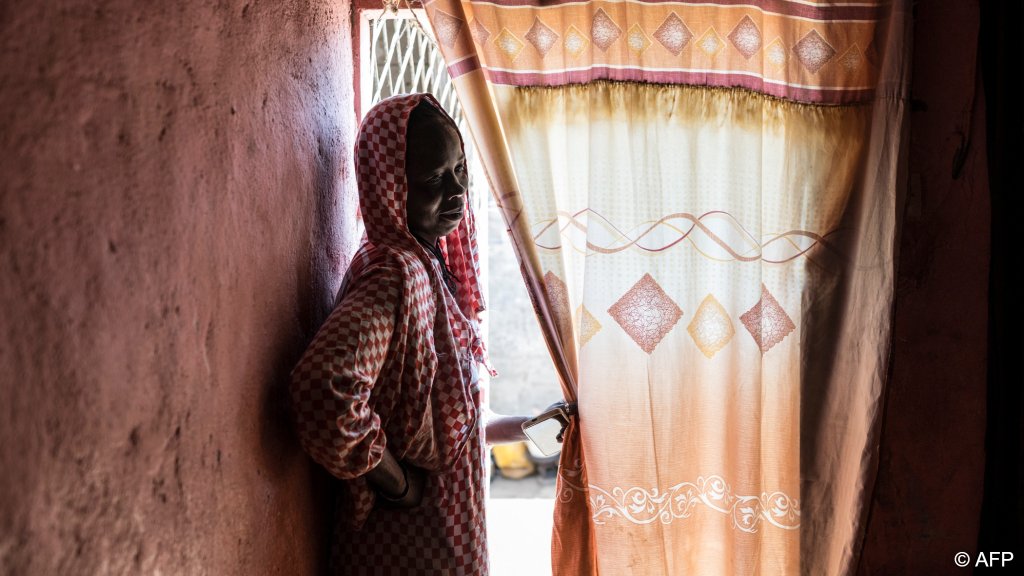
Saliou Diouf says that a lack of information about the journeys themselves and any potential disappearance makes it more difficult for families and particularly children to grieve. "Families often don’t receive enough information to grieve," explains Diouf, so "accepting the loss is extremely difficult."
The family of Assane are among those with little information to go on. He is reported to have been on a pirogue that caught fire off the coast in 2022. His wife Fatou Ngom and their three children live in a single room with a shared courtyard in Mbour.
Read AlsoSpain: In Badalona, migrants living under a bridge say 'relocation is a trap'
'She often suffers from nightmares'
Eleven-year-old Sokhna’s face has a "pained gaze," reports AFP. Her mother Fatou Ngom explains she often suffers from nightmares in which she calls out "papa." Sokhna tells the reporter that she finds it difficult because her mother won’t talk to her about her father. "When I dream about him and I’m scared, because I really feel like he’s talking to me, the next day I go to see my grandmother," says Sokhna. "She tells me about when my father courted my mother and stories about him."
Sokhna continues, "I always think about my father when I see the sea." Sokhna’s 14-year-old brother Boubacar remembers the day vividly in 2022 when he found out about his father. "My family came to find my mother, she was preparing coffee. They said 'Assane died in the pirogue'. She was in shock, she started crying, and so did we."
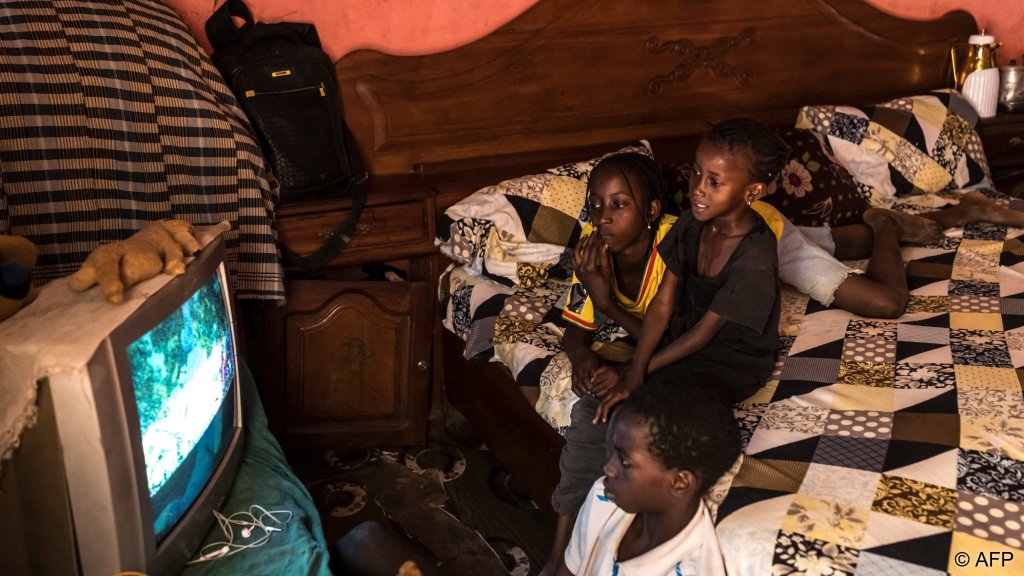
Boubacar explains that their father had wanted to build them a house, but before he could, "God took his soul."
Sobbing, Boubacar says he often thinks about his father, "especially when my mother doesn’t have the money for daily expenses, because he was the one who helped us live." Boubacar has already taken on a job in a metalworking shop after school to try and help support his mother and their family.
Read AlsoGambian authorities intercept more than 780 migrants headed to Europe
'I tell her he is on a trip'
Sokhna and Boubacar have a five-year-old sister, Coumba, who barely remembers her father, but this doesn’t stop her from asking about him. "She’s the one who makes me cry because she’s always asking about her father," explains Ngom. "I tell her he’s on a trip." Boubacar whispers that if they were to tell her the truth now, "she would go crazy."
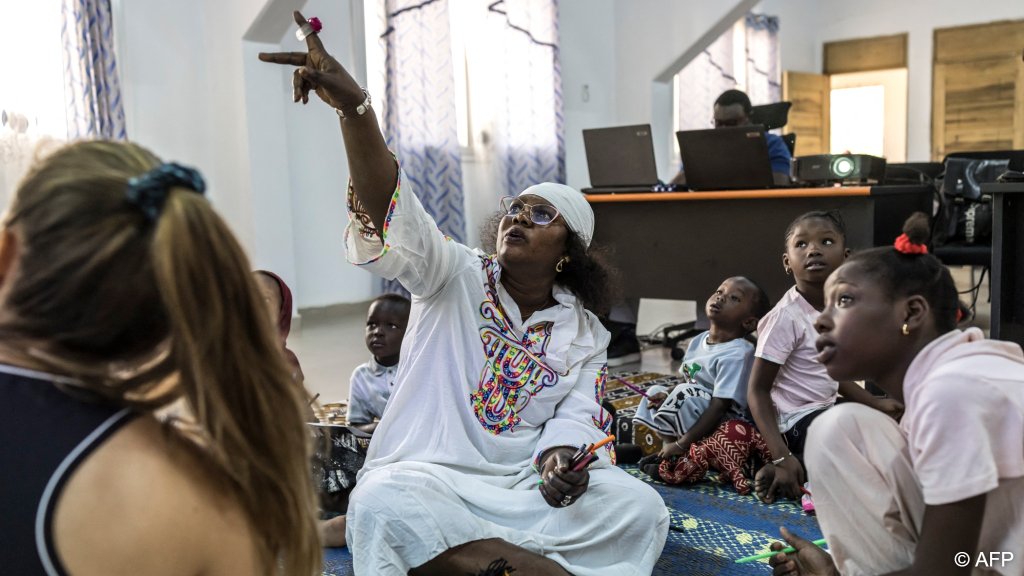
Since 2024, a psycho-social program has been aiming to help some of the family members left behind after a migrant dies. The project was set up initially to help the wives of those missing by the Diocesan Delegation of Migration (DDM) in Senegal, which also supports around 50 orphans. Jordi Balsells is the DDM’s director. Then they extended it to the children too.
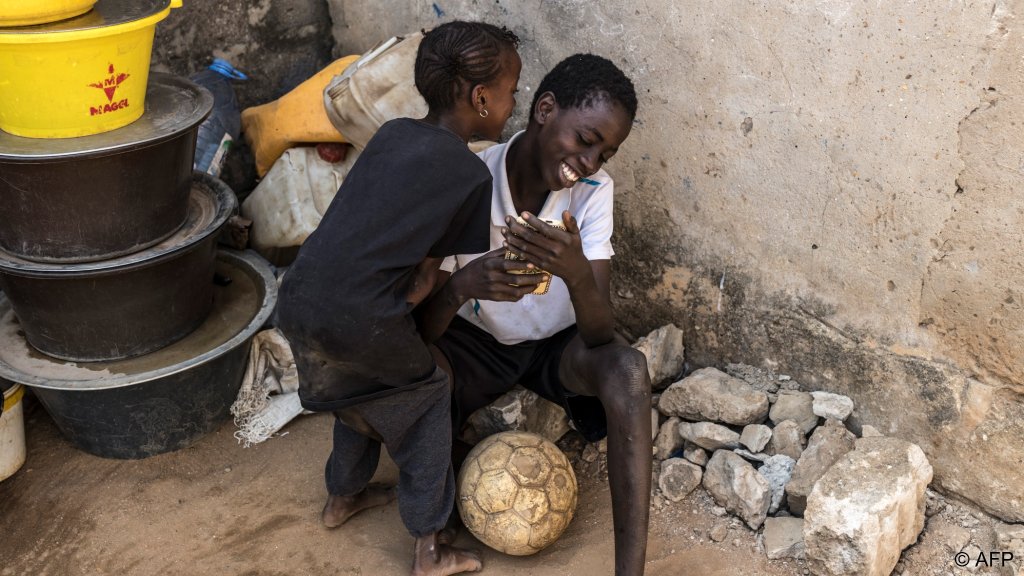
"We noticed that many of their children were also suffering, in a different way, more silently, with a great deal of anger." In the DDM center in Mbour, children receive therapy, while their mothers are able to take part in a sewing workshop to help supplement their income.
Read AlsoMigrant boat rescued off the Canary Islands: One dead, six injured
'It hurts me that he's gone, I wanted him to stay with us'
The children are shown that there is support for them and allowed to open up when they feel ready. Nine-year-old Papa Balla and his 12-year-old brother Babacar Ndiaye attend the workshop. "My father didn’t want to leave, but the person who organized the trip forced him," says Papa Balla to the group. "It hurts me that he’s gone, I wanted him to stay with us."
Papa Balla recalls his father often buying him balloons, and he misses that. Another little girl at the workshop, ten-year-old Bambi Diop, first says she doesn’t want to talk about her father, but after being comforted and soothed by psychotherapist Katy Faye, she begins weeping. "When I go to class I think about him," says Bambi, adding that it was her father who used to drop her off at school.
However, although Bambi misses her father, she tells AFP that he is just living in another city in Senegal and doing "fine," unable to process the fact that he has actually died. Until they attended the workshop, her mother thought that Bambi had understood that her father had died in a shipwreck in 2024.
Finding acceptance
Doctor Tesa Reimat Cobella, who specializes in bereavement, says that it is important for those who remain to put words to what happened and to talk about the memories of who their father was, as well as work with the parent who remains.
Corbella says she is pleased the NGO has succeeded in creating a safe space where children are able to share their feelings with other children in a similar position.
"The fact that they accept what happened and that they can speak about it without fear or shame is what matters most," explains Corbella. However, despite the ability to talk at the workshop, Corbella fears that many face stigmatization when they step outside the NGO, at school, on the street, or in society.
For the majority of those left behind, there is no economic or psychosocial support. "This is not taken into account in our public policies," explains Mamadou Diop Thioune, a civil society advocate.
Corbella agrees: "Senegalese society must be made more aware of the plight of the missing and their families. It is important to restore dignity to the missing people who left in search of a better life. We must be able to speak about this subject without hiding these children and families."
This text is based on a feature by AFP
Read AlsoAt least 12 migrants die in boat capsize off Senegal coast