
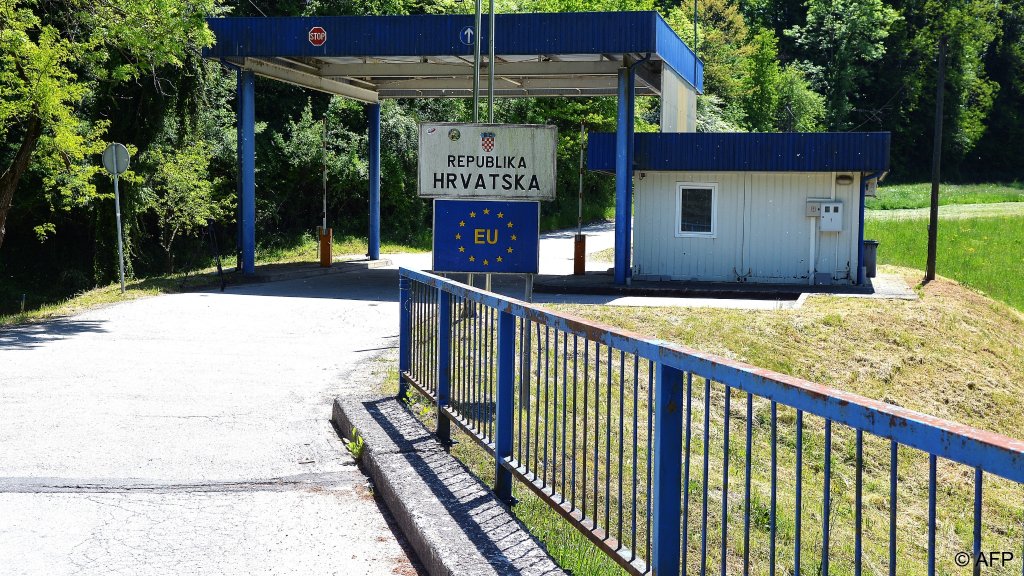
Police in Croatia said they had discovered the bodies of four migrants near the Slovenian border on Sunday, along with 15 more people, two of whom had to be taken to hospital. Croatia has intensified its border control measures, including plans to build a migrant reception center at a former military airbase near the border with Bosnia Herzegovina.
In a statement, the police said it had received a tip-off about a large group of migrants near the town of Karlovac, where it discovered the bodies of four people, Reuters reported on Monday (May 4). Fifteen more people were also discovered in the area, roughly near the village of Donje Prilisce, 70 kilometers southwest of Zagreb and close to the Slovenian border.
Two of those who were rescued were reported to have been in poor health and taken to a hospital. The cause of death has not yet been established, and authorities have not released the identities or nationalities of the victims. Investigations and post-mortems are ongoing.
The passengers were reported to have been transported in a cargo truck where they endured "inhumane conditions" and left at the border by the driver who had fled.
Read Also
Croatia rescues 30 migrants from flooded Sava river after boat capsizes
Human trafficking corridor
The Western Balkans are considered a major migrant smuggling and trafficking corridor into Western Europe. Geographically, the area is strategically significant to smugglers because it connects established migration entry points in the Balkans to destinations in the European Union.
In March, Croatia announced plans to build a migrant reception center at a former military airbase located near the border with Bosnia Herzegovina. The presence of Frontex, the European Union's border control authority, has also been reinforced in the area. Frontex previously deployed about 80 officers to Bosnia and Herzegovina after announcements of a stronger focus on that area last year.
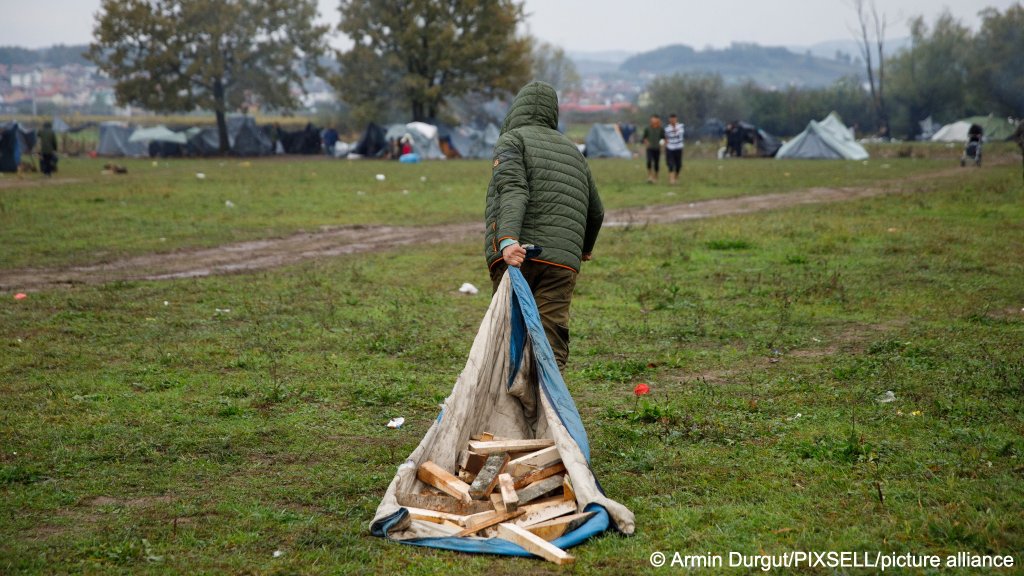
According to Europol, the Western Balkans remain a key transit region where criminal networks actively offer their services to irregular migrants. In response, Europol set up a dedicated Operational Taskforce (OTF) in March 2023, working with authorities from Bosnia and Herzegovina, Croatia, Germany and Slovenia to dismantle criminal groups engaged in migrant smuggling.
In September, Europol arrested four people suspected of smuggling over 600 migrants across the Western Balkans. The investigation linked the network to over 100 smuggling operations.
In a statement, Europol reported that the criminal organization relied on encrypted communication tools and operated an organized cross-border system. Croatian coordinators recruited drivers from countries such as Czechia and Slovakia, while guides facilitated illegal crossings. Migrants typically entered Bosnia and Herzegovina through regular transport routes, travelling by air from Istanbul to Sarajevo. After a short stay, they would meet members of the network, who would then transport them to the Bosnian-Croatian border. The rest of the journey would be made on foot, assisted by guides reportedly working for the organization.
Read AlsoMigration management measures reinforced in Bosnia Herzegovina and Croatia
The Balkan Circuit, not route
While often referred to as the "Balkan route," migration through the region has evolved into what researchers have described as the "Balkan circuit" because migration movement is characterized as fragmented and circular, rather than a single linear path.
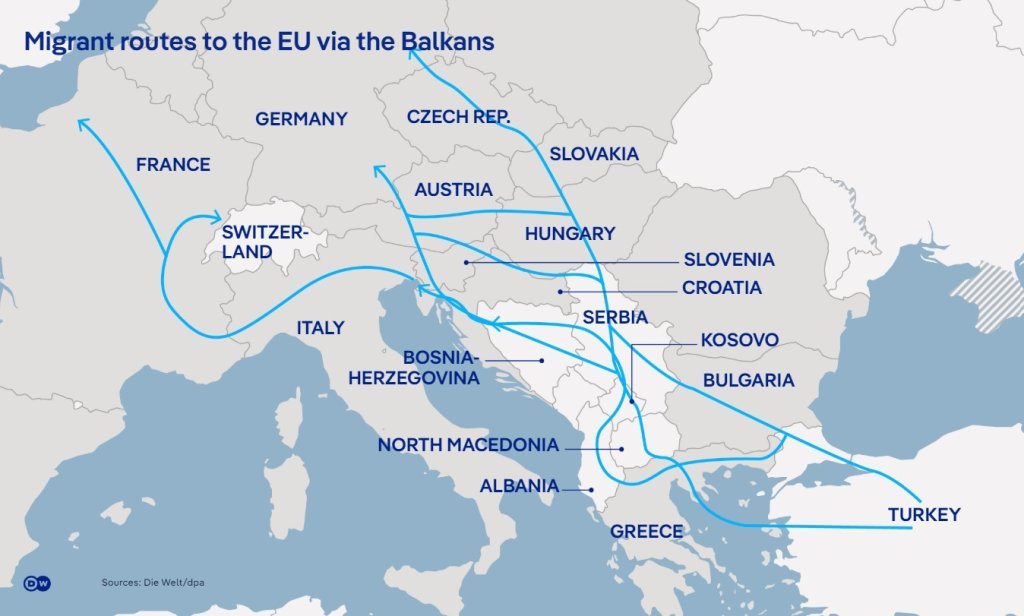
Migrants are frequently forced to change direction, attempt repeated crossings, or remain stranded before trying again. This pattern reflects both increased border enforcement and ways to circumvent controls to avoid detection.
As a result, the region has shifted from a transit corridor into what some scholars describe as a "dead end" or holding zone on the edges of the European Union. Movement continues, but it is more dispersed, less visible, and often more dangerous.