
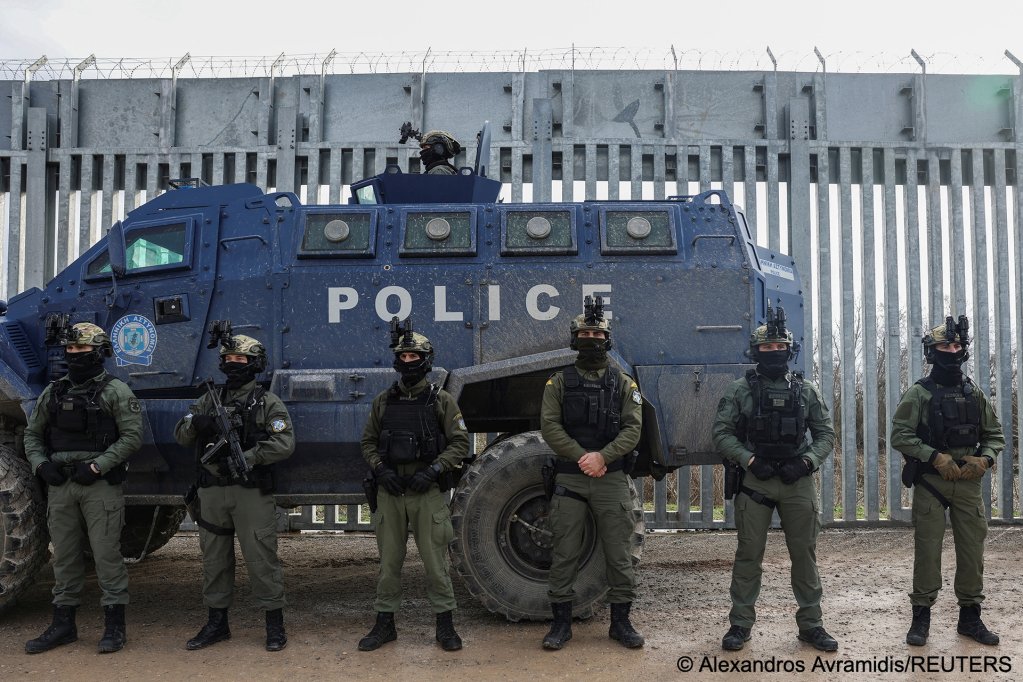
Frontex reports and a recent BBC investigation have renewed scrutiny of Greece’s Evros border operations, documenting allegations of violent pushbacks in which masked men were allegedly used alongside Greek officers.
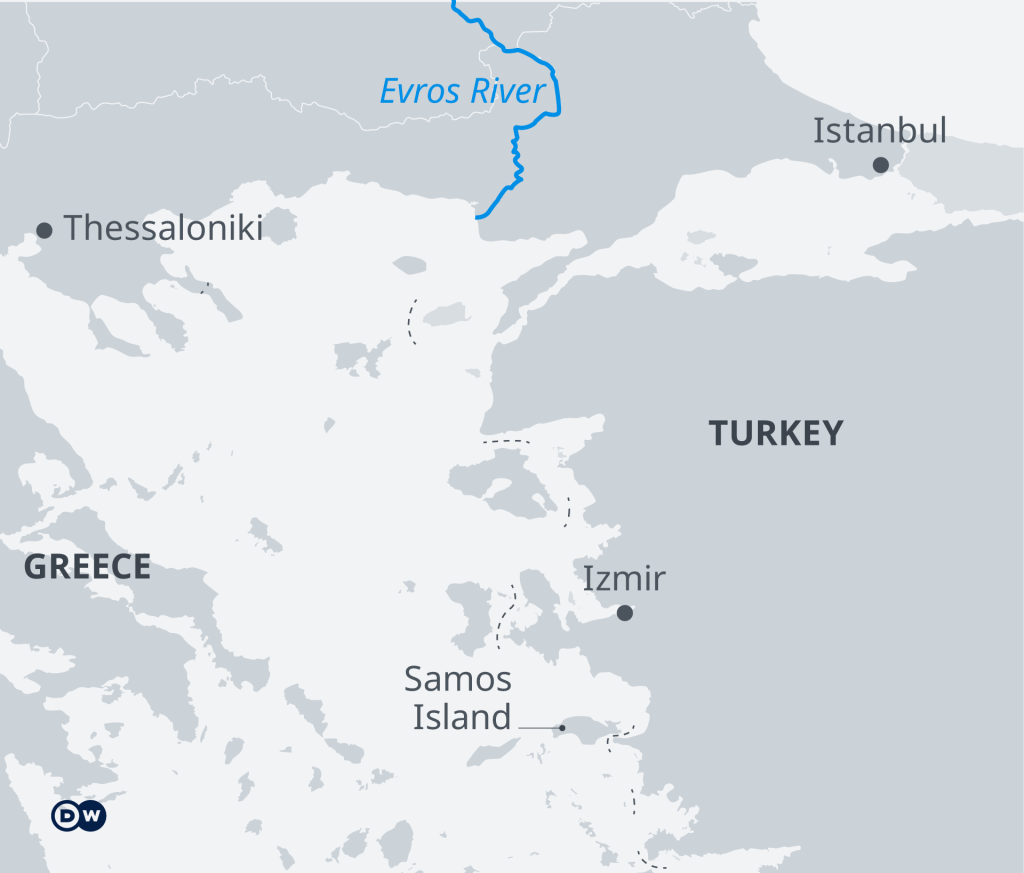
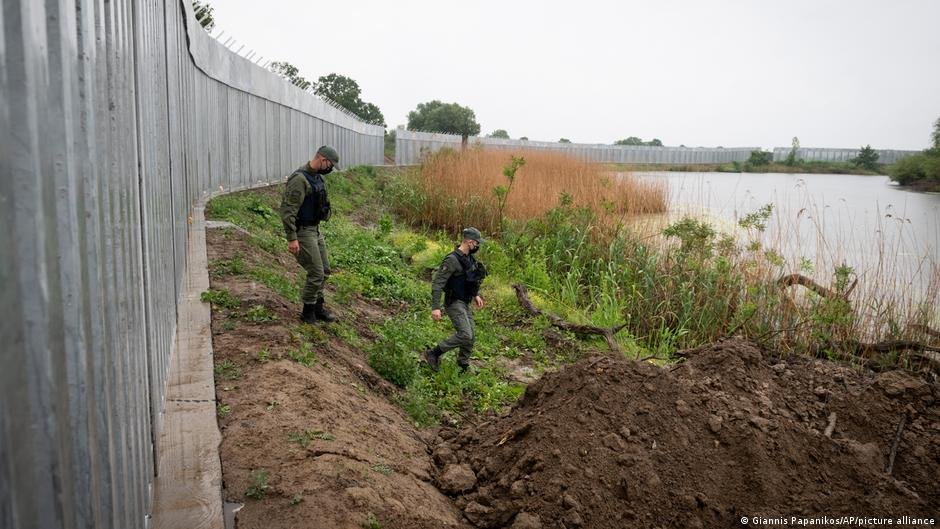
Greek border operations at the Evros River have come under renewed scrutiny after newly released Frontex reports and a recent BBC investigation described allegations that masked men were used to help force migrants back into Turkey. The material includes accounts of beatings, threats, theft, sexual violence and forced returns at the Greek-Turkish border.
While similar allegations were documented in media investigations in 2022, and even as early 2020, the Frontex files released between December 2025 and February 2026 go further. In a series of redacted Serious Incident Reports (SIRs), Frontex’s Fundamental Rights Office describes violent pushbacks near Orestiada in the Evros region and, in the most detailed case in the file set (SIR 13125/2023), concluded that the abuse was “attributable to the Greek authorities” and that masked men were acting “under the instruction of the Greek officers.”
The BBC investigation, based on interviews with migrants and comments from EU officials and rights monitors, also included photo and video evidence of the alleged violence. Across several Greek cases in the Frontex files, the agency found “verified” or “likely” violations involving degrading treatment, police mistreatment and collective expulsion.
Read AlsoEU-Turkey migration deal: a mixed record ten years on
Evros under scrutiny
The SIRs, ranging from 2023 to 2025, show an ongoing pattern of violence. The most detailed report in the SIR file-set concerns a group of 61 migrants who crossed into Greece near Orestiada in June 2023 (SIR 13125/2023). According to the Frontex Fundamental Rights Office, the group contacted NGOs from Greek territory and requested protection before they were attacked by masked men and later returned across the river to Turkey.
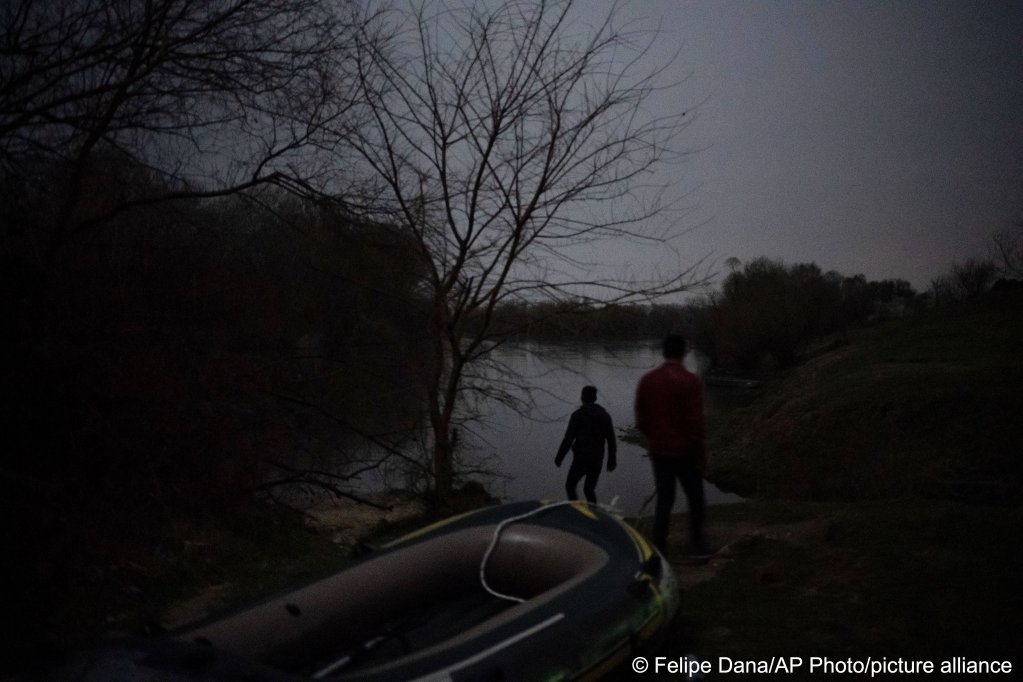
In its conclusion, the same report states: “the Greek authorities, acting through three police officers and 10-20 third country nationals masked with balaclavas and armed with knives, batons and sidearms, detected, apprehended, and subdued a group of 61 migrants.”
It adds that the group was subjected to “physical and verbal abuse including death and rape threats, intrusive and sexualized body searches, beating with hands, legs, and batons, stabbing, cutting, shooting, restraining and forcing them to kneel and lie down for extended periods, drowning, theft of personal property including phones, jewelry, IDs, and documents."
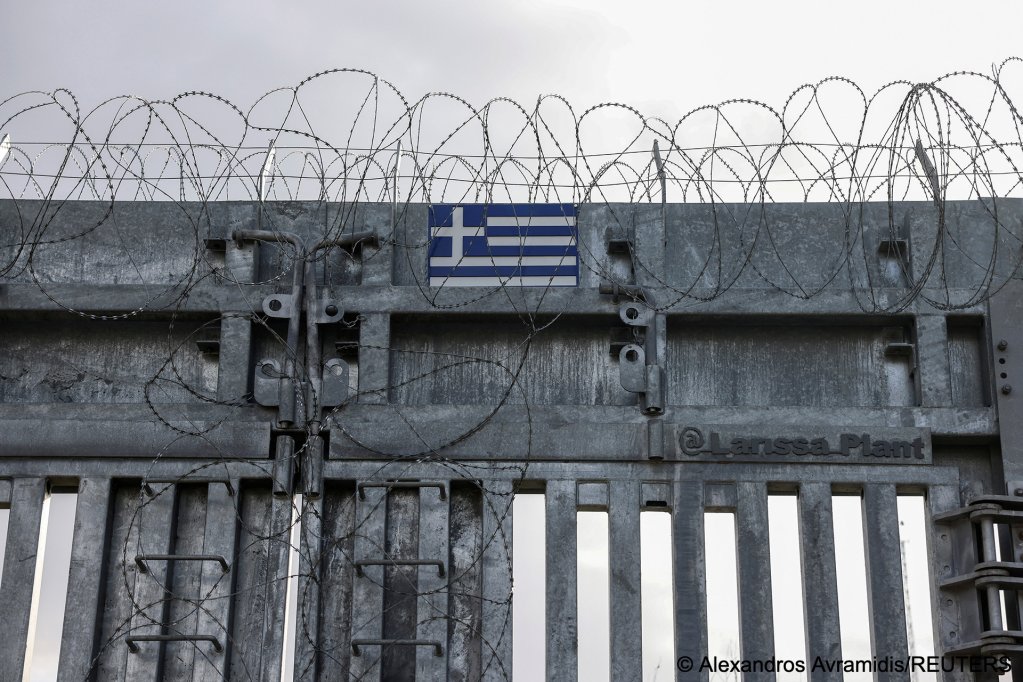
The Orestiada report (SIR 13125/2023) explicitly links the violence to Greek state actors. It states: “These actions are attributable to the Greek authorities and amount to prohibited collective expulsion.” It further concludes: “the masked individuals acting under the instruction of the Greek officers, have subjected the migrants to inhuman and degrading treatment.”
The Frontex office also addressed the evidentiary basis for that conclusion. It said the case rested on “first- and secondhand testimonies of the migrants involved and their corroboration, both mutually and with media files and other digital evidence.” It described the testimonies as “extremely credible” and said that “the agreement among so many people is remarkable.”
Greek authorities denied the incident had taken place. According to the Orestiada report, they maintained that no migrants from the group had been found on Greek territory and that the alleged events “do not correspond to reality.” The Frontex office nevertheless concluded that the evidence supported the account of abuse and return.
Read AlsoGreece: Smuggling suspect arrested at land border with Turkey
Masked men and proxy enforcement
One of the most sensitive aspects of the case is the alleged use of third-country nationals in the operation. The Frontex report refers in different places to “third country nationals,” “masked armed individuals,” “mercenaries,” “paramilitaries” and “Afghan masked men,” reflecting the language used by different witnesses and sources summarized in the file.
The report records allegations that these masked men assaulted migrants while Greek officers were present and directing the operation. In one passage summarizing witness material, it states that “the three Greek officers stood by, observing the searches and harassment.” In another, it concludes that the masked men were “acting under the instruction of the Greek officers.”
The BBC separately reported that Greek police had used masked migrants to push others back across the border and said it had collected “wide-ranging” evidence dating back to 2020.
The UK broadcaster said it had examined internal police records indicating that the recruitment of the masked operatives was “directed and monitored by high-ranking officials,” and that it had obtained footage from June 2023 showing newly arrived migrants being ambushed after crossing into Evros. Greece’s Migration Minister Thanos Plevris rejected that reporting, calling it “science fiction.”
Read Also80,000 migrants pushed back at EU borders in 2025, fewer than in 2024
Other Greek cases in the files
The 2023 Orestiada case (SIR 13125/2023) is the clearest report in the set linking violence directly to Greek authorities, but it is not the only Greek report in which Frontex identified violations.
In a 2025 Rhodes case (SIR 10180/2025), the Frontex Fundamental Rights Office wrote: “The Fundamental Rights Office considers it likely that the migrants were ill-treated by the Hellenic Coast Guard personnel during their interception and arrest, as described in their statements.” The same report also criticized the handling of evidence, stating that the lack of usable video footage has undermined the state's "obligations to ensure transparency and accountability in law enforcement operations” and that such deficiencies “increase the risk of impunity for potential violations.”
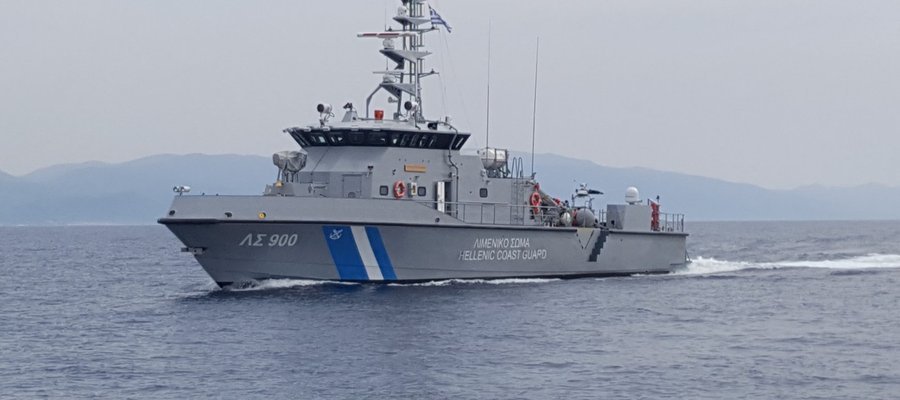
In a 2025 Symi case (SIR 11044/2025), the office found that it was “the alleged mistreatment by police officers, including slaps and aggressive handling, is considered likely to have occurred, and the authorities' investigation into these allegations is deemed inadequate.” It also found that detention conditions at Symi Police Station for three days met the criteria for “inhuman or degrading treatment” under Article 4 of The Charter of Fundamental Rights of the European Union.
In a later Evros case in 2025 (SIR 11036/2025), involving the transfer of 15 Afghan migrants, including women and children, in a cargo van, the office wrote that “the treatment and transfer of the migrants in this case have violated several of their fundamental rights.” It concluded that the violations were “attributed to the failure to provide appropriate conditions for the transfer.”
Read AlsoGreece: Three more deaths in Aegean Sea and at least four migrants believed to be missing
Concerns about accountability
The Frontex reports also raise questions about how Greek authorities responded after the incidents. In the Rhodes case (SIR 10180/2025), the office wrote that the Hellenic authorities “failed to cooperate fully in clarifying the incident, particularly with regards to the provision of video footage.” It added that the absence of meaningful recordings “can hinder any meaningful administrative, disciplinary, or judicial review of the allegations.”
The same report said that, in light of similar shortcomings in other SIRs involving the Hellenic Coast Guard, the Rhodes case "may reflect systemic practice.”
In the 2023 Orestiada case, the Frontex office said the Greek authorities denied that the migrants had ever been located on Greek territory, denied the involvement of Hellenic personnel and maintained that the reported events “do not correspond to reality.” The Fundamental Rights Office said the authorities have maintained this position, but they also have not provided any interpretation or analysis of the photographs and videos reviewed in the inquiry, despite the fact that Frontex considered that material to be corroborative of the migrants’ accounts.
The report also made clear that Frontex did not consider the Greek response sufficient to rebut the evidence gathered during its inquiry. It described the migrants’ testimonies as “extremely credible,” said that “the agreement among so many people is remarkable,” and concluded that the material before it supported the account of abuse, forced return and the involvement of Greek officers together with masked third-country nationals.
In the 2025 Evros case (SIR 11036/2025) concerning the transfer of migrants in a cargo van, Frontex similarly said the Hellenic authorities had “failed to provide any substantive and credible counter-argumentation,” and noted contradictions in their explanation of why such a vehicle had been used. In that report too, the office treated the official response not as a persuasive rebuttal, but as part of the concern.
Read AlsoGreece: 22 migrants die during weeklong journey
FRO calls for greater Frontex presence
Asked what follow-up monitoring Frontex had conducted, Fundamental Rights Officer (FRO) Jonas Grimheden told InfoMigrants that his office "systematically follows up with national authorities to determine the level of administrative and criminal investigations and the outcome.” Adding that it "also regularly follows up on investigations with relevant national independent mechanisms, in the case of Greece, that is the Ombudsman, in particular.”

Asked about Greece’s investigations, Grimheden said: “Without going into details on the level of inadequateness of investigations, there are several points of the 10 outlined by the Fundamental Rights Agency, where Greece could improve.” He added that this “has also repeatedly been stated in judgments against Greece, by the European Court of Human Rights.”
On whether Frontex should scale back operations in Greece, Grimheden argued that in fact a wider deployment is necessary: “The problems identified are by Greek actors while the experience of the Fundamental Rights Office is that Frontex presence ensures transparency and investigative access, in addition to prevention of violations.”
He added that Article 46(4) of the Frontex Regulation allows the executive director -- after consulting the FRO and informing the member state concerned -- to “withdraw the financing for any activity by the Agency, or suspend or terminate any activity by the Agency” in cases involving serious or likely persistent violations. Speaking to InfoMigrants Grimheden said he had advised on that provision in more general opinions, but that in the context of this serious incident, “greater Frontex presence is the most pertinent advice" based on his five years in the position as FRO.
Human rights groups, including Human Rights Watch, dispute that view, arguing that a stronger Frontex presence is not in itself a sufficient safeguard and warning that, where serious violations are ongoing, the agency’s continued presence risks enabling or becoming complicit in abuse rather than triggering stronger action under Article 46.
Iftach Cohen, a lawyer with the Dutch-based human rights NGO Front-LEX, also rejected Grimheden’s position. “Article 46(4) of the Frontex Regulation was enacted by the European Parliament and the Council. It is not a suggestion. It imposes a clear legal obligation,” he told InfoMigrants, arguing that the provision requires Frontex to suspend or terminate activities linked to serious or persistent rights violations.
Grimheden’s comments place the Frontex reports in a broader legal context, particularly as courts in Luxembourg and Strasbourg have increasingly examined pushback claims involving Greece and Frontex.
Read AlsoGreece champions migrant 'return hubs' in third countries
Why the case law matters
Alongside media reports and Frontex’s Serious Incident Reports, a growing body of case law is also reinforcing the evidence that pushbacks are taking place. Asked about the implications of recent case law surrounding pushbacks at the EU's external borders, Grimheden said: “Hamoudi v. Frontex and also the European Court of Human Rights in A.R.E. v. Greece underscores the findings that the Fundamental Rights Office has concluded, that collective expulsion (‘pushbacks’) take place in Greece.”
A.R.E. v. Greece concerned a Turkish woman who said she had crossed into Greece through Evros, was detained by Greek authorities and then pushed back to Turkey without being able to seek asylum. The Strasbourg court found that Greece had expelled her without properly assessing the risk on return and that no effective remedy had been available, making the case directly relevant to Frontex reports documenting collective expulsions in Evros.
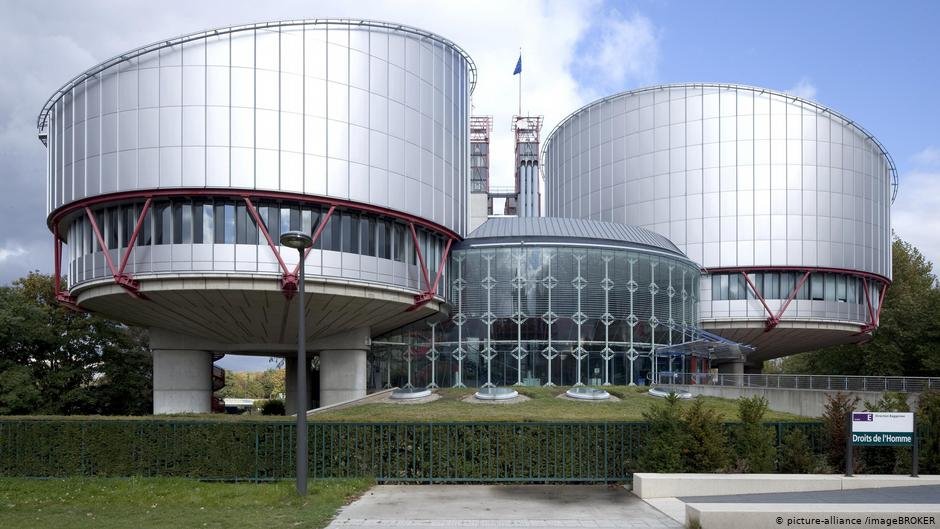
Hamoudi v. Frontex is relevant more narrowly, arising from allegations by a Syrian man that Frontex had been complicit in a 2020 pushback from Greece to Turkey. The Court of Justice did not determine whether the pushback occurred as alleged, but held that the lower court had applied the rules on the burden of proof and the taking of evidence too strictly. It found that Hamoudi had produced enough prima facie evidence for the case to be properly examined. The ruling matters because cases of this kind often depend on records, footage and operational information held by national authorities or the agency itself.
Read AlsoEU court opens path to justice for alleged pushback victims in landmark case against Frontex
The Commission’s response
A Commission spokesperson told InfoMigrants that the Commission "is aware of reports concerning these alleged incidents at the Greek external border.” Adding that the "Commission’s position remains clear: efficient border management must fully respect EU law, including fundamental rights and the principle of non-refoulement.”
Responding to InfoMigrants, the spokesperson said it is "the responsibility of national authorities to investigate any allegations of wrongdoing according to the law.” While also noting that the Commission is in "regular contact with the Greek authorities and with Frontex regarding border management,” and continues to "closely monitor the situation.”

Asked whether infringement proceedings had been launched against Greece based on the Frontex reports, the spokesperson said: "Any allegation of violations of fundamental rights must be fully and independently investigated, and any established wrongdoing must be addressed appropriately." Adding that this is the “responsibility of Member States as they have the obligation to implement EU law, including the respect for fundamental rights and the principle of non-refoulement."
The Commission also stressed that the SIR mechanism "does not in any way replace the responsibility and obligation for the Member States to investigate any alleged violation of EU law."
On oversight mechanisms, the spokesperson insisted that "oversight exists at multiple levels," citing Frontex’s FRO, as well as the serious incident reporting mechanism and the complaints mechanism. The Commission added that Greece remains responsible for investigating allegations and ensuring accountability through "internal disciplinary bodies," "independent authorities such as the Greek National Transparency Authority" and "the judiciary."
However, the SIRs, the BBC investigation and the emerging case law suggest not just a failure of oversight, but a deeper problem of enforcement: serious abuse at the EU’s external border has been documented for years, yet the consequences for those responsible remain uncertain, and the safeguards meant to prevent recurrence appear to remain ineffective -- at significant human cost.
Read AlsoIrregular crossings into EU down 60 percent in January, says Frontex
With AFP
Note: InfoMigrants contacted the Greek authorities, but they have yet to provide a response on this matter.
Correction: This article has been updated to clarify the significance of the Court of Justice’s ruling in Hamoudi v. Frontex. The judgment did not determine whether the alleged pushback occurred, but held that the applicant had presented sufficient prima facie evidence for the case to be properly examined and that the lower court had applied the rules on proof too strictly.
This article was last updated on April 26, 2026.