
At least 17 Somali migrants have died after a boat capsized in the Mediterranean Sea. Somalia's ambassador to Algeria confirmed several details about the tragedy at sea on April 23, though full information is yet to emerge.
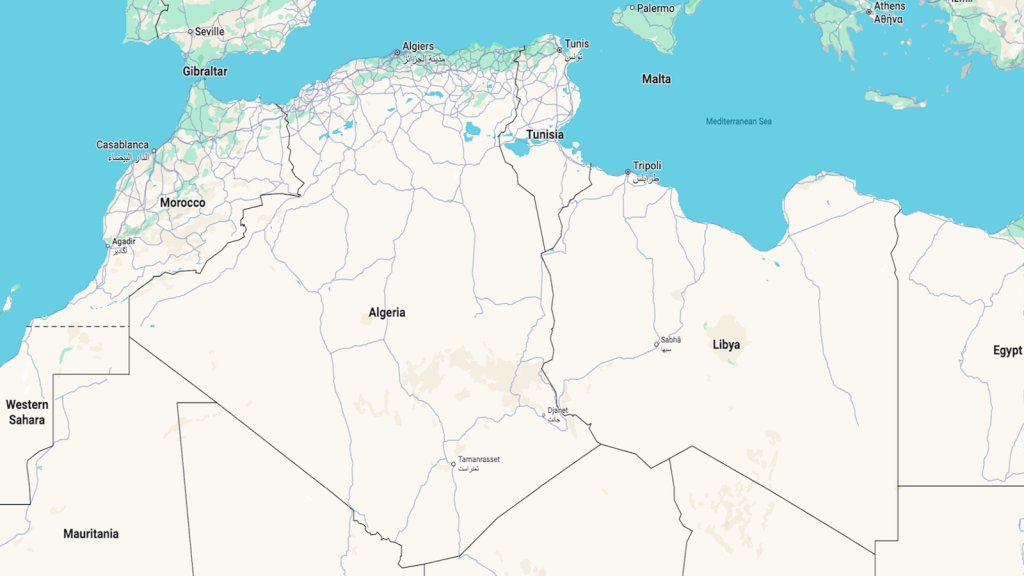
The boat wreck took place in coastal waters roughly 100 kilometers west of the capital, Algiers, according to information obtained by the Algerian Foreign Ministry. Judging by the location of the event, the group of migrants was trying to reach Spanish soil.
The Associated Press (AP) news agency quoted Somalia's Ambassador Yusuf Ahmed Hassan as saying that the victims include 12 men and five women, and that they are believed to have died by drowning.
Hassan told Somali state media that he had been approached by distressed parents looking for information about their missing relatives, who "wanted to know their whereabouts."
The ambassador also told AP that he traveled to the city of Bou Ismail in the early morning hours of April 23, where the bodies had been taken.
He said that there, he "visited two hospitals in the province, and saw the bodies."
Algerian authorities are yet to disclose all details relating to this latest tragedy at sea, including the total number of passengers who were known to be on board at the time of the capsizing.
Read AlsoAlmost 8,000 died on migration routes in 2025 worldwide, estimates IOM
The role of Algeria's geographic position in migration
Situated between sub-Saharan Africa and the Mediterranean Sea, Algeria is one of the main gateways to Europe on the Western Mediterranean migration route. Over the course of last year, the Balearic Islands became a prominent entry point to Spain, with most migrants departing from the Algerian coast. Algerian nationals also made up the vast majority of arrivals on the Western Mediterranean Route in all of 2025 and the first three months of 2026.
Algeria's long coastline and proximity to southern Europe, especially Spain, have made it an increasingly popular departure point, with more and more criminal networks engaging in the lucrative business of migrant smuggling.
Oftentimes, these smugglers use overcrowded and unseaworthy boats, risking the lives of everyone on board the flimsy vessels.
Yet, there are thousands of migrants each year who are willing to take that risk; while many are fleeing conflict, some are trying to escape poverty and other economic hardships.
There are more and more migrants from Somalia who are undertaking such perilous journeys, driven — among other things — by a prolonged drought at home.
Read AlsoSpain dismantles suspected smuggling ring moving people from Algeria
Algeria's reluctant relationship with the EU
The European Union is increasingly trying to turn to Algeria as a partner in managing migration, cutting temporary deals with its leaders to intercept migrant boats and help quell the business model of smugglers.
With the help of EU funds and related initiatives, Algerian authorities have invested more in beefing up their border security measures while also fighting smuggling gangs directly.
Some EU member states are also trying to sign bilateral agreements with the Algerian government to work more closely to combat irregular migration.
Read AlsoBelgium and Algeria sign landmark migration agreements
However, unlike some of its North African neighbors, Algeria has been somewhat cautious to date about entering into a structured migration partnership with the EU, relying primarily on ad-hoc arrangements which benefit both sides.
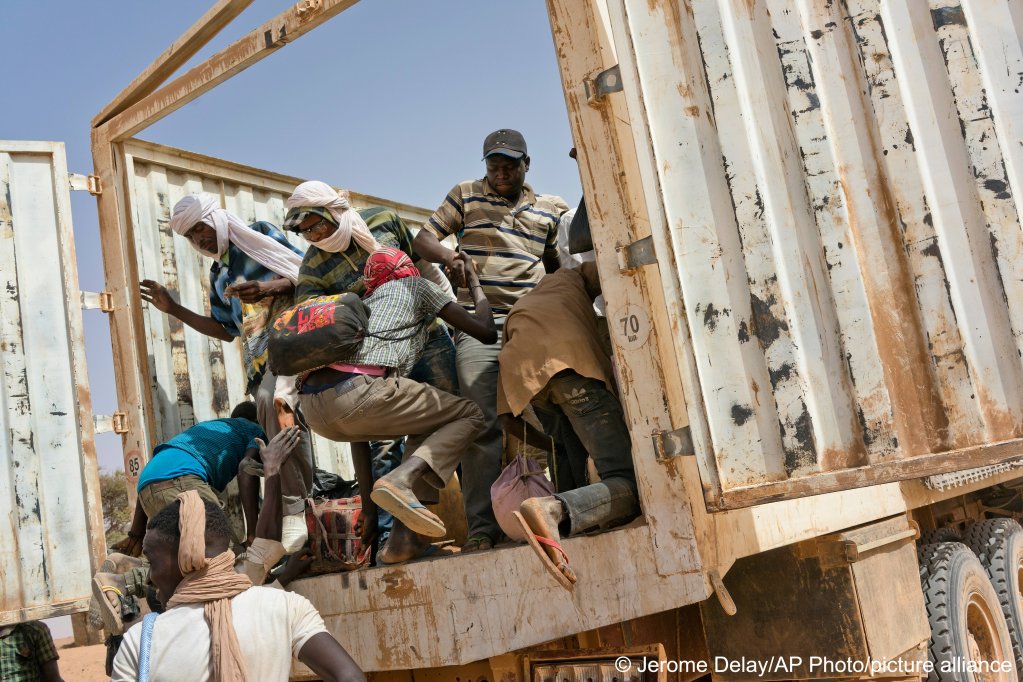
In managing its own migration flows, rights groups have accused Algeria of using heavy-handed methods, such as rounding up and abandoning truckloads of migrants near the borders of neighboring countries, in particular Niger; despite mounting criticism, Algeria continues to defend this practice, saying that it is merely defending its borders and therefore its own national interest.
To date, Algeria appears to prefer to enter treaties with international partners such as the IOM, where there is no state interest involved in either direction.
Read AlsoAlgeria: IOM signs partnership with government expanding voluntary return partnership
with AP