
Britain has managed to renew a deal with France designed to stop migrants from crossing the English Channel irregularly. The new agreement has additional financing attached to it, which will only be paid if France meets a certain threshold of success. Rights groups have criticised the deal, saying it creates incentives for using more violent methods to stop migrants from reaching the UK.
The UK and France have signed a renewal of a three-year deal to stop migrants in small boats from crossing the English Channel irregularly.
The deal worth 766 million euros in funding will see France pledging to increase border patrols on its shores by more than half, with the aim to deploy 1,400 officers to French beaches by 2029.
In addition to more officials dedicated to combing France's northern beaches, the agreement also stipulates the increased use of drones, cameras and helicopters as well as the roll-out of further digital resources to prevent irregular crossings, expanded intelligence and judicial police teams.
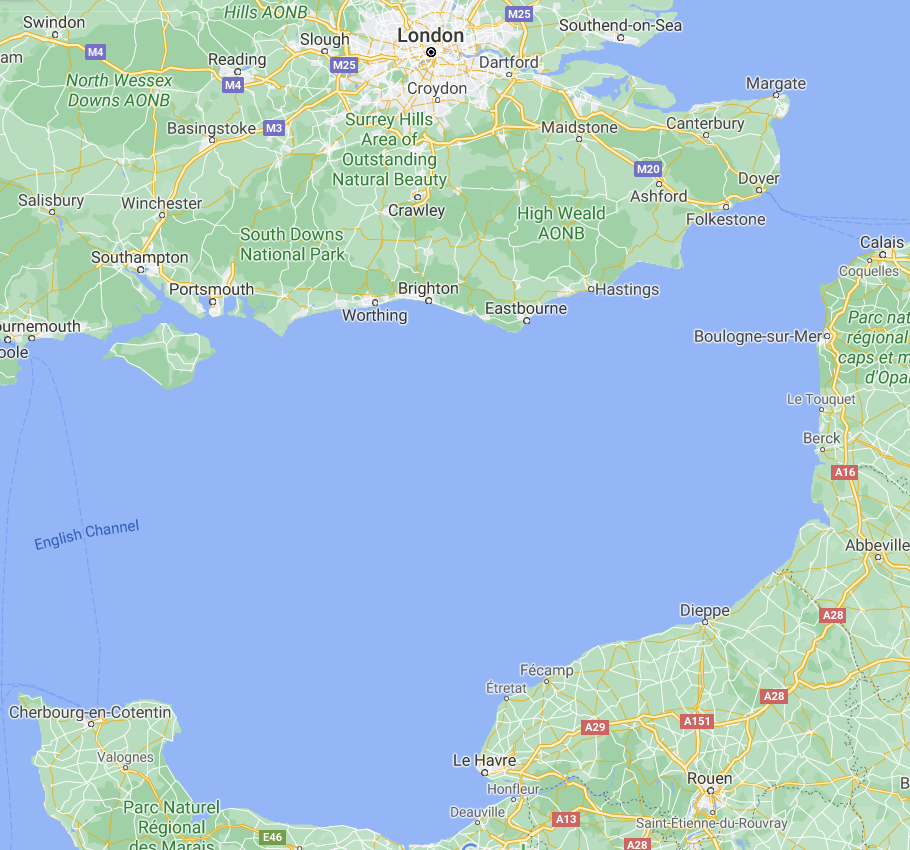
The new deal also includes the addition of a 50-strong riot police unit and more than 20 further maritime officers tasked with intercepting migrant boats at sea, the Home Office said in a statement.
The deal was first signed in 2018, and then extended in 2023 before its current renewal.
Both of its previous iterations were reached by previous governments under the Conservative Party — respectively under the leadership of prime ministers Theresa May and Rishi Sunak.
Read AlsoBritain seeks to renew 2023 migrant deal with France
Britain sees 'value' in renewed deal
Within the ranks of UK Prime Minister Keir Starmer's government there's great support for the renewed treaty, which he had previously described as "value for money" despite reservations over its success rate.
Starmer said that the "historic" agreement would allow Britain and France to "go further" in the fight against smugglers, "ramping up intelligence, surveillance and boots on the ground to protect Britain's borders."
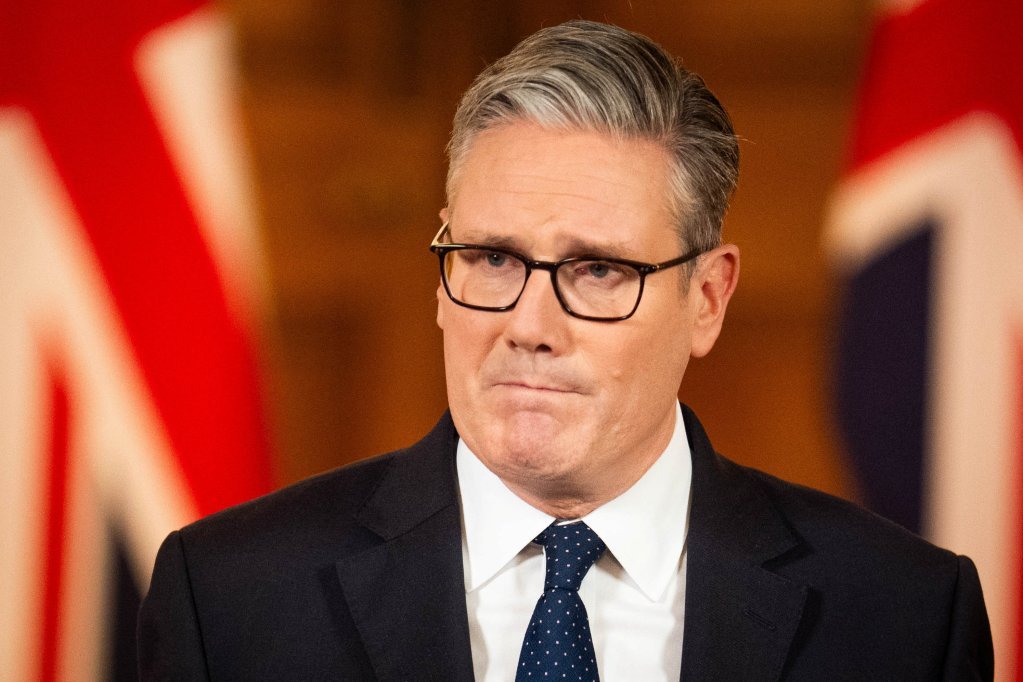
British Home Secretary Shabana Mahmood meanwhile stated that the "landmark deal will stop illegal migrants making the perilous journey, and put people smugglers behind bars."
Starmer's government also reiterated that since the Labour Party took office in July 2024, its joint work with France had halted more than 42,000 attempted crossings, highlighting the value of the deal.
Read AlsoOver 600 irregular migrants reach UK by small boat on a single day
A quarter of funds conditional on success
However, a quarter of the total funding is conditional on France improving its performance rate compared to the previous three years:
About 186 million euros will be only be paid if France's tactics prove to be successful enough.
According to a document from the French Interior Ministry, funding will be "redirected to new actions" if a joint annual assesment process finds the new measures to not deliver "sufficient results."
Alex Norris, British Minister for Border Security and Asylum, told the BBC on Thursday (April 23) that the additional financing was being treated as "innovation funding" with the intention to allow authorities "to go further" than just fullfilling the "core funding elements … to tackle the problem as it is today."
Those additional funds will be "conditional on its success" and on "effectiveness," the minister confirmed.
However, even if the conditional portion of the treaty is not paid due to underperformance, the UK's core contribution to the renewed treaty nevertheless represents a 40-million-euro increase compared to what Britain had agreed to pay under the last treaty.
Norris also explained that the renewal of the deal came in response to the "surge of activity" observed in the English Channel last year, telling the BBC that the government had tried to "drive a hard bargain" with its counterparts in France.
How effective have schemes been since Labour took office?
"People rightly want to see these crossings tackled. What we're securing today … will see a 42 percent uplift in boots on the ground," he said, stressing that the new measures were "all in service of the goal of arresting smugglers, breaking their model, and stopping people making dangerous journeys."
Norris was also asked about other methods his government had introduced in order to prevent migrants crossing the Channel in this way. The so-called 'one in, one out' deal. Under questioning, he admitted that this deal had so far sent 661 migrants back to France, since it began last summer. When reminded by BBC presenter Nick Robinson that on Saturday, 602 people arrived in the UK in a single day, Norris replied that the 'one in, one out' deal was always meant to be a small pilot scheme. Norris added that since the Labour party took office they had "removed around 60,000 people" through other schemes.
Finally, Norris was asked how many times the French had intervened in shallow waters, as had been promised under a previous iteration of the deal. Norris replied that "so far there have been six interventions [by the French] of that nature." He added, "the purpose of the deal we have struck today is to increase that."
Read AlsoChannel crossings: Investigation uncovers elaborate supply route across Turkey, Germany and France
Disagreement over maritime law stipulations
The completion of the deal took months, as the previous version of the agreement — known as the Sandhurst Treaty — was due to expire at the end of March.
Without a renewal in place, it was extended by two months to buy time to reach a new accord.

The main disagreement arose with the UK accusing French authorities of doing too little during the previous iterations of the deal to stop migrants from embarking on the dangerous sea journey across the Channel.
This, in turn, Britain argued would only embolden migrants and smugglers, leading to the UK announcing that it would only renew the agreement if France stepped up its efforts; French officials, however, argued that there was little they could do without breaking not only French but international law.
Read AlsoBritain's border deal with France extended for two months
Addressing the gray area of so-called 'taxi boats'
According to laws governing maritime environments, law enforcement officials can no longer intervene once a migrant crossing is found to have set off from the shore; thereafter, authorities can only get involved to save people from drowning.
During the negotiations for the deal, British and French officials however ran into various disagreements as to when a migrant crossing begins.
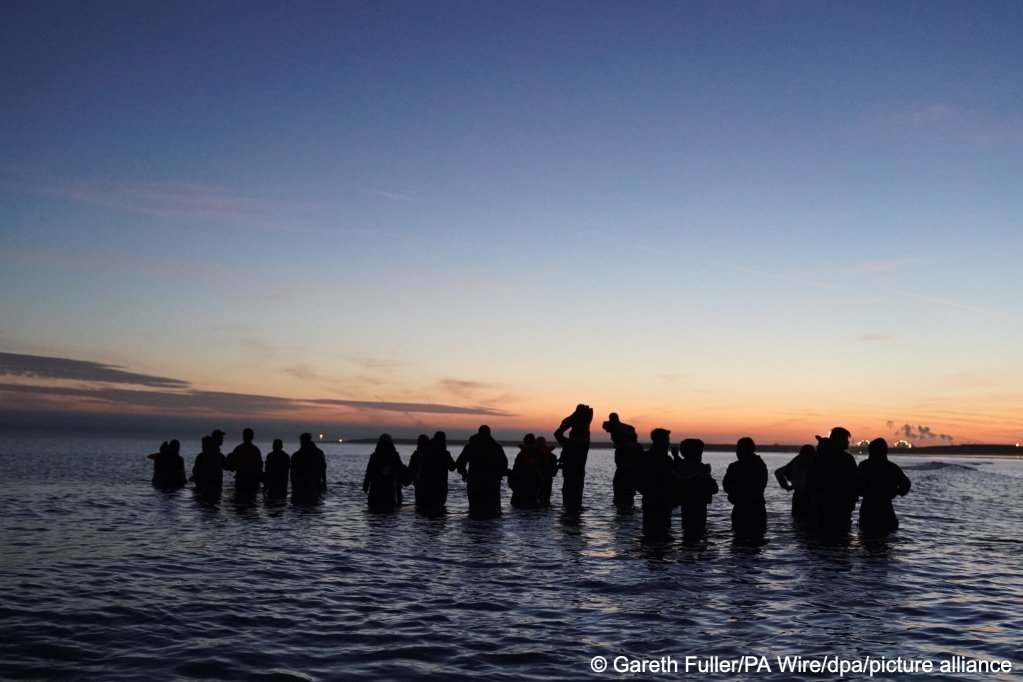
Smugglers often use what is now being referred to as "taxi boats" off the French shore; this involves a small vessel in the water picking up migrants who wade through the sea to embark. The boats tend to make several stops down the coast before heading out into open water. However, some NGOs dispute this term, arguing that calling the boats "taxi boats" implies that it is easy and one only has to hail the boat to make the crossing.
Read AlsoFrance intercepts 'taxi-boat' in first on-water operation to reduce Channel crossings
The involvement of different boats and the dangerous method of migrants having to make their way to these vessels could create blurry lines of legal interpretation.
However, France argued its case by highlighting other trends in the fight against irregular migration: French officials arrested around 480 smugglers in 2025, with authorities across the European Union allocating more funds and resources into combatting smuggling rings.
Speaking on the BBC's Today program, Border Security and Asylum Minister Norris agreed that these were certainly "dangerous interventions to make at sea," which had to be addressed before the final version of the renewal of the treaty was ready to sign. He hoped, he said, that with the new equipment provided by the deal, they would be able to increase these types of interventions too.
Read AlsoChannel crossings: 'More people die when they set sail than on the open sea'
Shadow of UK local elections hangs over renewed treaty
The renewal of the Sandhurst Treaty comes as the government of Prime Minister Keir Starmer is facing increased scrutiny over the issue of immigration.
Having entered office nearly two years ago, Starmer had pledged to "stop the boats" as a main campaign promise; however despite this, irregular Channel crossings continued and reached almost record levels during his tenure.
Read AlsoBritain plans radical changes to immigration law amid far-right pressure
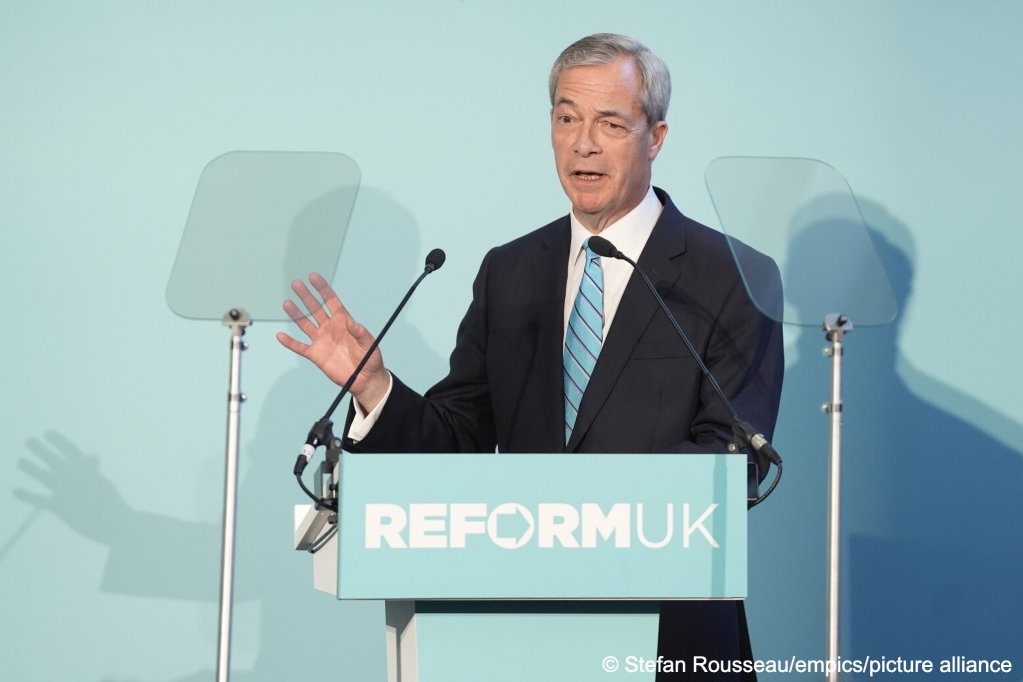
In fact, the second-highest rate of such irregular migrant crossings took place last year, with nearly 41,500 people reaching Britain in small boats. This trend has resulted in a major surge in support of the far-right, anti-immigrant Reform UK party, which is currently leading in opinion polls.
Local elections to be held next month will serve as a litmus test on Starmer's performance, with major losses predicted for his Labour Party.
Read AlsoFact-checking Reform UK's migration policy claims
Channel crossings among most perilous migrant routes
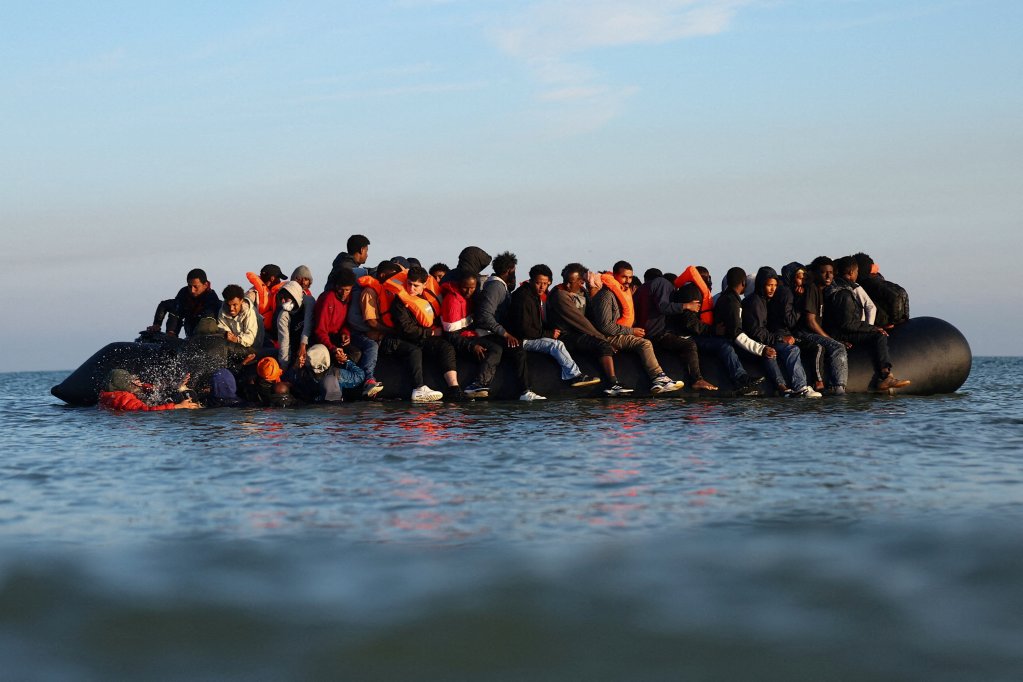
The crossing of the English Channel is a highly dangerous sea journey to embark on using small vessels such as dinghies.
Strong currents, high winds and heavy traffic on what is one of the world's busiest shipping lanes make the journey particularly unpredictable and difficult to navigate on small vessels, which are not seaworthy.
At least four people have already died this year while trying to reach British shores; in 2025, at least 29 migrants are believed to have died in the Channel.
French authorities meanwhile have pointed to the fact that since the beginning of 2026, arrivals in the United Kingdom have actually halved when compared to the same period last year, highlighting they say that the methods put in place to stop this traffic might be working.
Read AlsoAt least four migrants die in Channel crossing attempt
Rights groups react strongly to treaty renewal
The France-UK deal has, however, also attracted criticism from various rights' groups.
Humans for Rights Network said that the renewal of the treaty amounted to an "abhorrent escalation in tactics that have already produced record violence and fatalities," saying that it would translate into "teargas and weapons used against men, women and children, paid for by UK taxpayers."
"If safe routes to asylum in the UK, France and across Europe were accessible to all who need them, people would not make these dangerous journeys," the group stressed in a statement.
The Safe Passage International NGO meanwhile referred to the signing of the treaty as a "grim" announcement, with chief executive Jo Cobley commenting that it was a "brutal deal for refugees."
In an email to InfoMigrants, she remarked: "More violent tactics will only force people, who have fled war and persecution, into taking even more dangerous and fatal journeys across the Channel. Yet again, the government has failed to open safe routes – the most viable option and a better use of this money."
Read Also'I've come too far to stop now': In Calais, new UK laws do not deter people from crossing Channel
The director of Humans for Rights Network, Maddie Harris, meanwhile referred to the treaty as a "new all time low in relation to the UK government's approach to its appalling attempts to prevent people from claiming asylum in the UK."
"The fact that the tactics and additional spending announced are reliant on the French police reducing crossing attempts also raises serious questions about what cost the UK government is prepared to facilitate France to prevent people from crossing the Channel. … (W)e are acutely concerned that the suggestion that money will not be transferred to France unless increasing numbers of people are prevented from crossing will only encourage a surge in this violence," she said.
There were also reactions from Labour's political opponents: The Conservative Party, from whom Labour had inherited the Sandhurst Treaty, criticized the track record of the deal, highlighting that five years ago, about half of all crossing attempts were still thwarted under the deal while today, the success rate stands at only about a third of all attempts.
The BBC meanwhile reported that both the opposition Conservative Party and Reform UK had said that France should not receive any further funds if it didn't manage to uphold what they described as an acceptable success rate.
Read AlsoThe UK has deported nearly 60,000 people since the Labour Party came to power
with AFP, Reuters, AP, dpa