
Between the law for the rebuilding of Mayotte - which tightens the conditions for obtaining residence permits - and series of security operations, Comorians in Mayotte live in fear. In 2025, more than 20,000 of them have been deported. In the Kawéni slum, the fear of deportation haunts daily life.
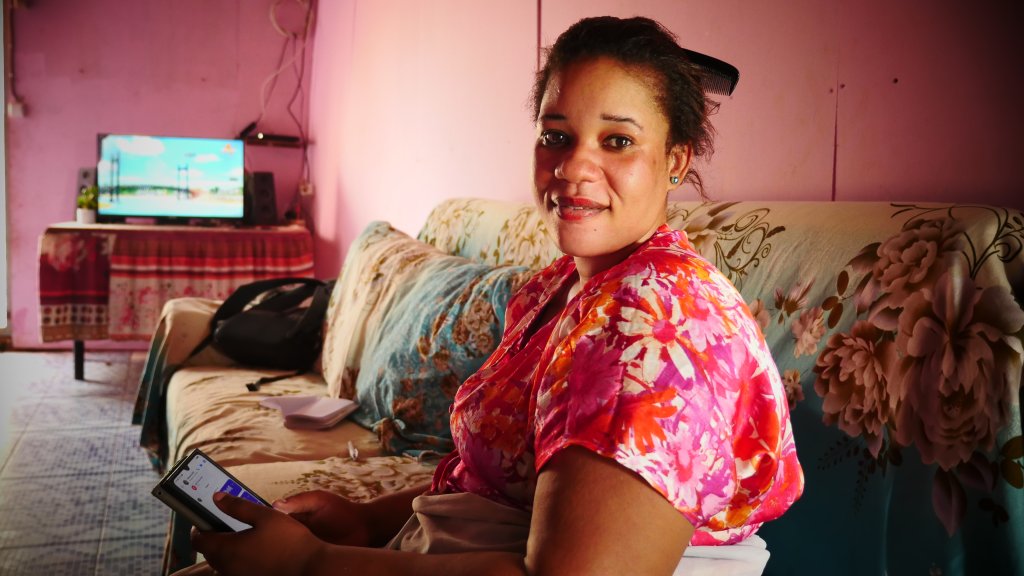
Claudia takes out a thick red folder from which dozens and dozens of documents stick out. Some are barely legible, the ink having faded over the years. She is looking for her latest receipt for her "private and family life" residence permit application. "I have my document in order," she says, going through the thick file sheet by sheet. The young 26-year-old Comorian finally finds it, it expired in 2022.
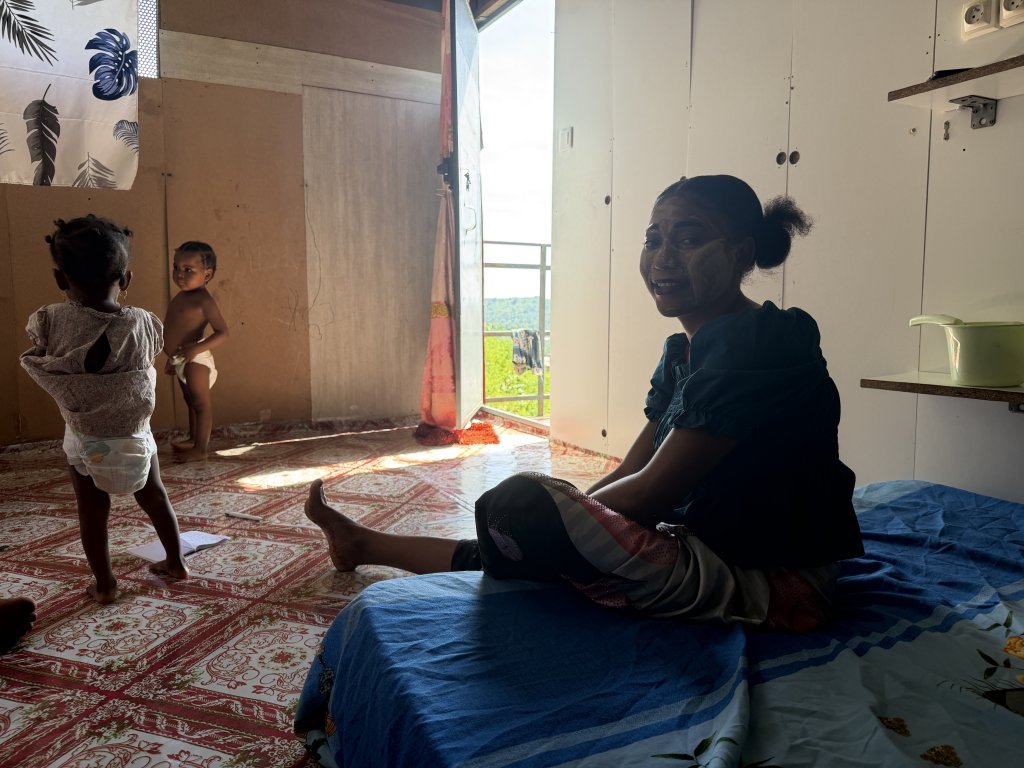
Around her, under a heat worsened by the hot sheet metal covering her house, her very young children are restless, trying to tear away the precious documents that she keeps like a relic. Taxes, travel documents for foreign minors, school certificates, expired residence permits, new applications for permits, receipts... Claudia archives everything. "My husband has everything in order regarding his papers, my children are protected too," she continues, showing us the aforementioned documents. Claudia seems to have lost some hope for her own case.
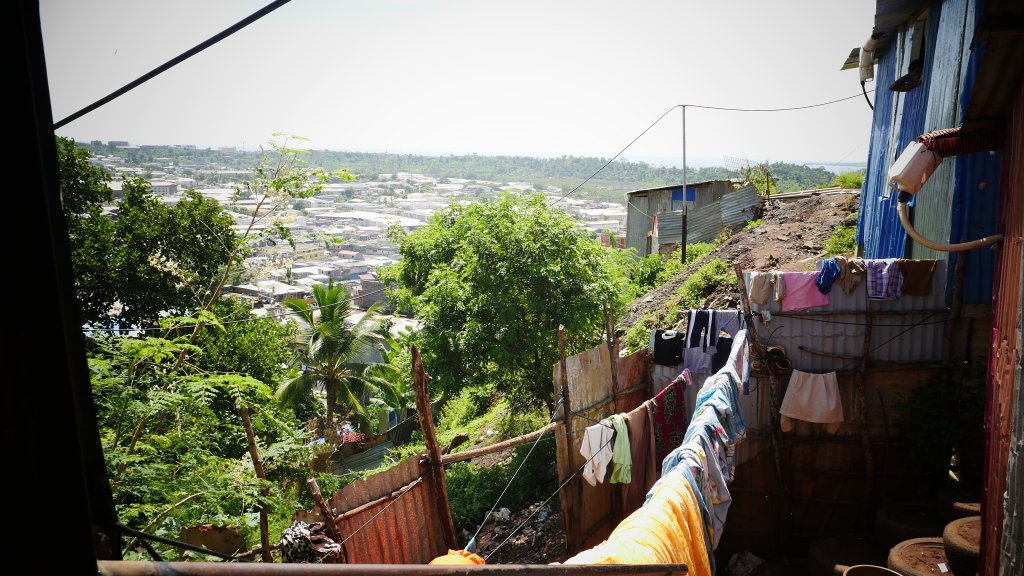
And it doesn't look like there is much light on the horizon either. Since the new law for the rebuilding of Mayotte, that went into effect in August 2025, modifying the conditions of foreigners' stays, getting regularized is a challenge when you are Comorian. The new requests are conditional on "normal housing" which therefore excludes informal housing such as 'bangas'. And you must now provide proof of "regular entry into the territory." However, Comorians arrive in Mayotte irregularly, by kwassas, frail wooden boats usually used for fishing.
The young woman who had never heard of the new law is stressed out. She does not intend to leave her banga built in the Kawéni shantytown, north of Mamoudzou - which her husband has just finished rebuilding after being razed by Cyclone Chido. "I’m never going to get a residence permit!" she says, her eyes full of worry.
Read AlsoA space of one's own: Reimagining refugee camps to make them more hospitable
New rules
"That's why one of my friends forwarded me a message the other day that she had received from the prefecture. It was written: 'To be able to process your file [...] You must prove that you have entered regularly. Please give us your long-stay visa in return'." Claudia shows us the message that appears on her cell phone screen. "I didn’t understand why they were asking for this visa, I had never been asked for it before."
On top of that anxiety is the one caused by the Kingia police operation. On April 10, the island's prefect promised a "security blitz" by tackling irregular immigration, unsanitary housing and crime. Around a hundred gendarmes and police officers have been deployed as reinforcements.
While on her phone, Claudia also discovers the existence of this security operation. "Did you see that?" she asks Rahamati, her neighbor, handing her her phone. "We have to be even more careful," she adds. On April 10, when InfoMigrants met Claudia, three destruction orders were published by the prefecture.
Claudia's concern is shared by all neighbors because during the last "clearance" operation carried out in Mayotte from April to July 2024, more than 4,000 people were evicted and around 650 homes were destroyed. And, according to INSEE estimates, half of Comorians, who constitute almost half of the population, are in an irregular situation.
Read AlsoMigrants drown after being dropped by smugglers off Comoros
'I always have my residence card in my pocket'
Rahamati, who lives in the banga above Claudia's, will also be extra vigilant. The 20-year-old young woman, who arrived as a minor in Mayotte in 2018, has never managed to regularize her situation. "I submitted a file in March 2024 to the prefecture," this young mother of three children said, showing us the screenshot of the submission of her application. Two years later, she still hasn't had a response.
Some have been luckier with response times however. This is the case of Abdallah, another neighbor, aged 18, who, shirtless, proudly brandishes his residence permit without which he never travels. "I always have it in my pocket, I'm too afraid of being checked and deported if I forget it at home," he explained, laughing at his doorstep. "But I know very well that it is rare to obtain this document. For me, it was my teachers at school who fought to help me get it."
Claudia has not received good support. "I called on a lawyer to help me with my efforts but he is in mainland France and so far, he has not done much," she explained. "You know, we talk a lot about this between neighbors... Who applied for a residence permit, where it stands, who was rejected..."
Read AlsoFrance plans to revoke birthplace citizenship in its Indian Ocean island of Mayotte
'My sister and my brother died in a kwassa'
Claudia thought about coming through regular means. "But when we ask for a visa in Anjouan [Comoros island, editor’s note], we are systematically told 'no'," she said. The consequences of these visa refusals and ensuing irregular journeys are sometimes tragic. "My sister had applied for a long-stay visa to come to Mayotte, when her application was rejected, she left on a kwassa. She died with my brother and my nephew during the crossing," she said, her voice suddenly breaking. Their bodies were never found. "It was October 2023."
In Mayotte, many Comorians re-attempt the crossing after deportation. On the French archipelago, forced returns are numerous. In 2025, more than 23,000 deportations were carried out, according to the prefecture of Mayotte, this is more than all the departments of France combined. And they are done quickly. "When they arrive at this CRA [administrative detention center, editor’s note], there is a good chance of being deported the following day (...)," a Mahorais police source explained. "The turnover is very high, there are departures every day to the Comoros."
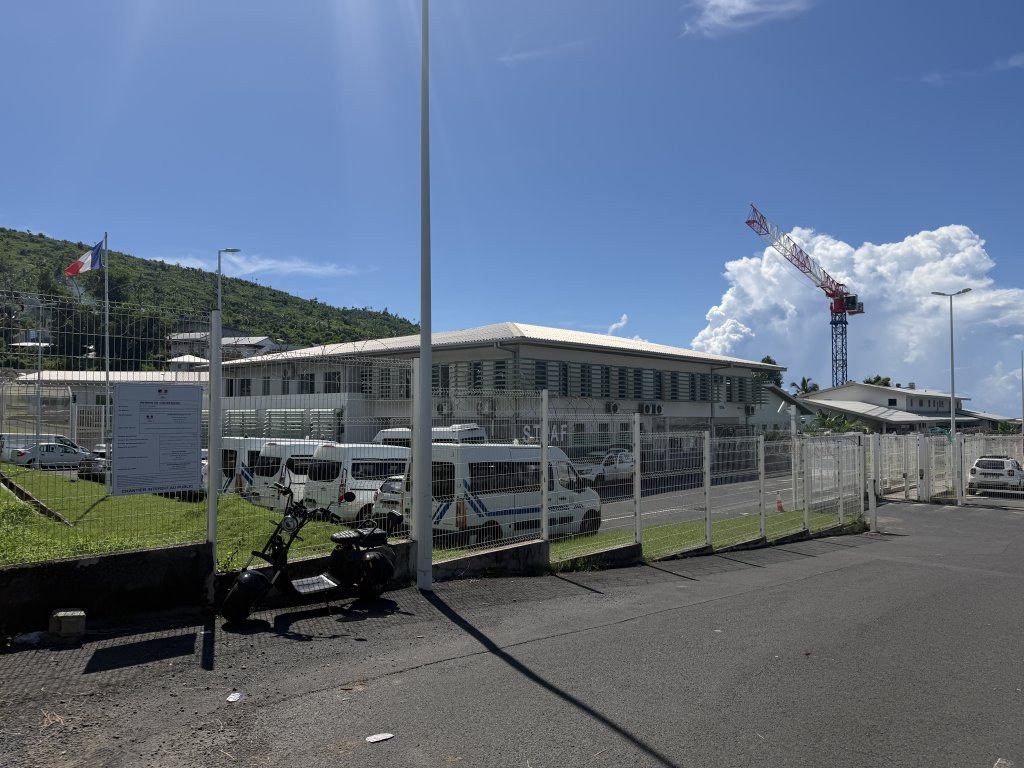
Claudia has already experienced arrests and expulsions. "In 2020, I was arrested for the first time, but I was pregnant, I was lucky, they released me." In October 2025, during a second arrest, things became complicated. "I was accompanying my daughter to school when the PAF [border police, editor’s note] arrested me. They took me to the detention center. It was a Saturday, the next day, I was deported to the Comoros."
Arriving in Anjouan, Claudia hesitated to return to Mayotte, the fear of crossing the sea again got to her. But she couldn't bring herself to leave her children. Seven days later, she returned, on a Kwassa. "I’m not going out of Kawéni anymore, I’m too afraid of getting arrested."
Since then, she no longer even takes her children to school. "It’s friends who do it for me," she said with regret. "If they deport me again, this time, I won’t come back."
This fear of being arrested got to Claudia again when Rahamati appeared in the dining room: "We must leave immediately." The neighborhood started to get restless. The two women grabbed their children to "shelter them." Two minutes later, the sharp sound of a first de-encirclement grenade rang out, screams erupted and the inhabitants of the neighborhood fled to the heights. A second grenade exploded. As they left, they hurridly explained what was happening: "We have to go, the border police has come."
Read Also'I belonged in Congo. Here, what am I?': Claude, asylum seeker in Mayotte