
The Netherlands was set to enact the strictest asylum laws in the country’s history. But the Dutch Parliament said no, in a major setback for the new minority government.
The Dutch Senate has rejected a controversial bill, when lawmakers narrowly voted down the so-called emergency asylum law. The bill would, among other things, have made staying in the Netherlands without valid papers a criminal offense, shortened temporary residence permits and made family reunification more difficult.
The proposal originated in the previous government’s hardline asylum agenda and was closely associated with Geert Wilders’ far-right Party for Freedom (PVV). Its most contentious element was the criminalization of undocumented stay, because opponents argued that, without safeguards, it could also expose people offering food, shelter or other humanitarian help to legal risk.
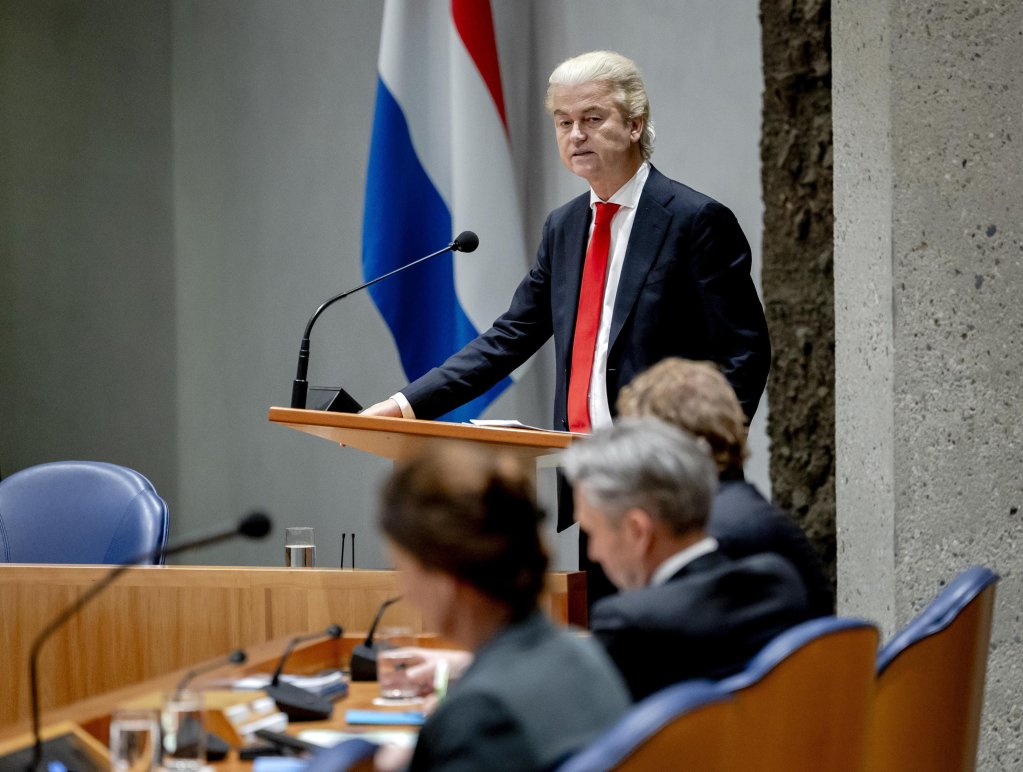
Christian parties signaled that this went too far and backed an amendment intended to protect acts of charity, but PVV senators refused to support the revised text. After that amendment failed by a single vote, the Christian parties withdrew their support and the bill itself was defeated in the 75-seat chamber by 44 votes to 31.
Read AlsoGermany and the Netherlands to cooperate on speeding up deportations
Wider asylum overhaul
The Senate vote concerns more than a single bill, as it forms part of a broader Dutch asylum overhaul first set in motion in 2024. The wider package included plans to shorten temporary asylum permits from five years to three, curb family reunification and stop issuing new permanent asylum permits.

Dutch lawmakers have also debated a separate "two-status system" that would give fewer rights to people granted subsidiary protection, such as those fleeing war, than to refugees recognized on the basis of individual persecution. Unlike the emergency bill, that measure did pass the Senate, meaning the Dutch asylum crackdown was only partly blocked.
The timing is politically significant because the Netherlands is also preparing to implement the EU’s new Migration and Asylum Pact, which will apply from 12 June 2026. That limits how far Dutch politicians can reshape the system on their own, while also creating a new route for tightening asylum rules through national implementation of EU law.
In March, Germany and the Netherlands agreed to deepen cooperation on border security, returns and implementation of the EU Migration and Asylum Pact, underlining that Dutch asylum policy is increasingly being shaped not only by domestic politics but also by coordination with neighboring states.
Read AlsoNetherlands could expect nearly 20,000 more asylum cases if asylum reform laws are passed
Political fallout over asylum debate
The asylum row has been especially sensitive because it sits at the center of Dutch coalition politics after the far-right Wilders period. Prime Minister Rob Jetten’s minority government, made up of D66, VVD and CDA, lacks a majority in either chamber and must rely on opposition support to pass legislation, making defeats like this particularly damaging politically.

The dispute over asylum policy had already helped destabilize the previous right-wing government, in which Wilders’ PVV participated for the first time. Since then, the issue has remained a fault line in Dutch politics, with pressure from the right and far right to press ahead with tougher asylum rules.
Against that backdrop, the Senate’s rejection of the emergency asylum bill is a setback for the coalition, which depends on opposition backing for other legislative projects. Senators did, however, approve a separate law introducing a two-status system under which refugees fleeing war would receive fewer rights than those granted protection because of individual persecution.
The Netherlands received 24,073 first-time asylum applications in 2025, 8,000 fewer than in 2024, according to figures from the Dutch immigration service IND. Most were from Syria, Somalia, Eritrea and Algeria. Authorities that year rejected 56 percent more asylum requests than in 2024, data from the national statistics agency CBS showed.
Read AlsoThe Netherlands rejected the majority of its asylum requests in 2025
With dpa