
Many of the almost 8,000 people who are believed to have died in 2025 may have done so in "invisible shipwrecks," stated the UN Migration Agency IOM on Tuesday. The most deadly migration routes were sea routes to Europe.
"These figures bear witness to our collective failure to prevent these tragedies," said Maria Moita, director of the International Organization for Migration, the UN agency based in Geneva. This brings the total number of deaths on migration routes since 2014 to more than 82,000, the organization stated.
As well as deaths at sea, which are the most common, migrants also die on the roads, in car accidents, or from cold or exposure to adverse weather, in the mountains and forests. Often, additional controls on previously highly trafficked routes push migrants onto lesser-walked paths, for instance, higher up in the mountains, where they are often exposed to more extreme conditions and further away from any help if needed.
The number of deaths was perhaps even more shocking when put into context: 2025 saw fewer arrivals of migrants in several regions. The IOM believes that the number of deaths shows that migration routes are merely shifting, rather than easing, and that risks remain dangerously high on most routes.
'Invisible shipwrecks'
The figure of 7,904 estimated deaths in 2025 is slightly down on 2024’s data, which found that 9,197 may have died while migrating. However, the IOM said that was partly due to at least 1,500 suspected cases that went unverified in 2025 due to cuts in development aid.
More than four in every 10 fatalities and disappearances occurred on sea routes to Europe. Many of these may actually have happened on so-called "invisible shipwrecks" to Europe. In a new report, the IOM explains this is when entire boats may disappear with all those on board perishing, without anyone ever really knowing they were there.
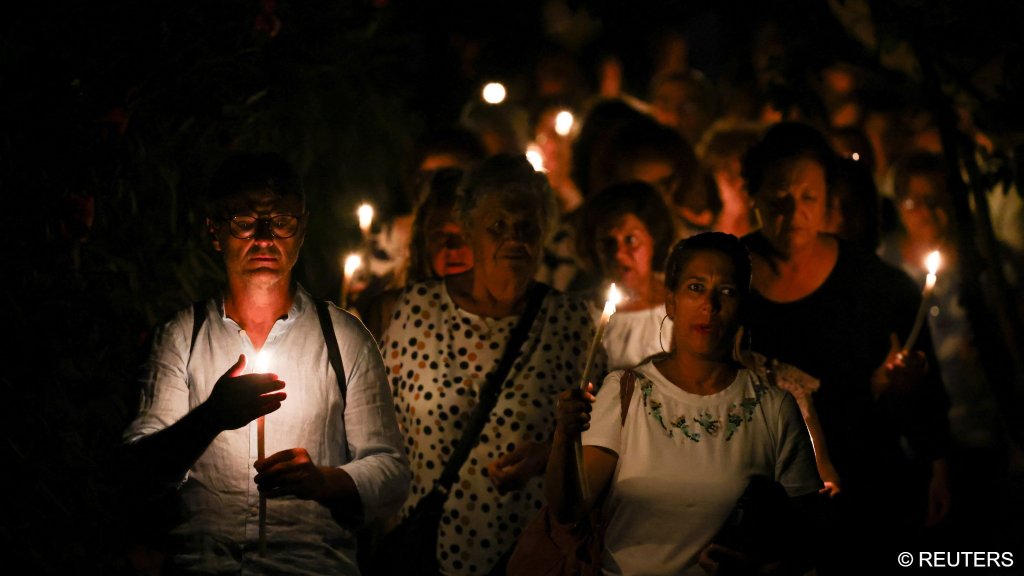
The West African route from the coasts of West Africa towards the Canary Islands, the Spanish archipelago in the Atlantic Ocean, accounted for at least 1,200 deaths. Some other NGOs, like Caminando Fronteras (Walking Borders) estimate the death toll on that route to be far higher. The organization estimated that in 2025, 3,090 people died at the Spanish borders alone, almost double the estimates from the IOM on the Canary Islands route.
Read AlsoTwo migrants die in Channel crossing attempt off Gravelines
En route to Europe
The Spanish borders also include sea routes typically from Morocco and Algeria towards the Spanish mainland and the Balearic Islands in the Mediterranean, as well as any accidents that may happen at land borders, like those with the Spanish enclaves of Ceuta and Melilla, on the African continent, and surrounded by Moroccan territory.
Although overall arrivals to Europe declined in 2025, the demographics of those arriving also shifted. The IOM highlighted that Bangladeshi nationals became the largest group of arrivals in Europe and that Syrian arrivals fell.
At least 3,400 deaths and disappearances were recorded on sea routes to Europe, with the Mediterranean route towards Italy being the most dangerous, with at least 1,330 deaths recorded throughout the year, and around 1,200 on the Atlantic route towards the Spanish Canary Islands.
Read AlsoTwo separate incidents in the Mediterranean Sea leave 38 migrants dead
'Routes are shifting'
The data, stated the IOM, is drawn from both field monitoring as well as governmental data sources. The IOM's Missing Migrants Project also documents the number of deaths and disappearances by using official records, media reports and information from IOM missions worldwide.
"Routes are shifting in response to conflict, climate pressures and policy changes, but the risks are still very real," said IOM Director General Amy Pope. "Behind these numbers are people taking dangerous journeys and families left waiting for news that may never come."
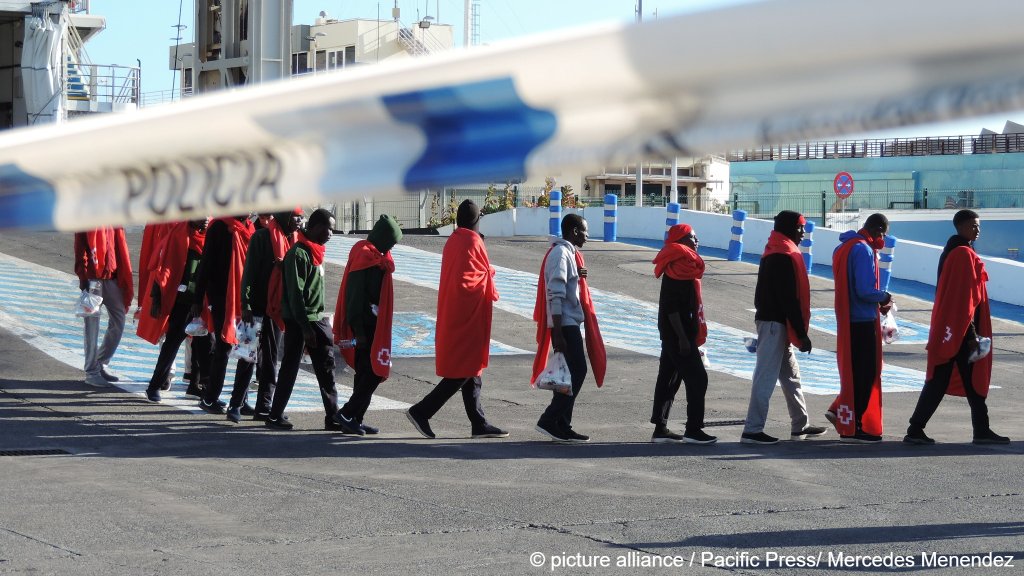
The IOM highlighted that although the number of arrivals to the Canary Islands dropped in 2025 compared to previous years, probably after strengthened border cooperation, journeys overall towards the Canaries have become "longer, riskier and more geographically dispersed."
"The suffering of families left behind is a persistent reality," stated the report. They estimated that since 2014, over 340,000 family members could have been directly impacted by the deaths or disappearance of a migrant. The IOM highlighted how families are often left with psychological wounds, as well as social, legal and economic consequences following the death of a migrant.
During 2025, thousands of migrants were stranded in border areas, with "limited access to shelter, health care and protection, while returns and relocations increased, placing additional strain on local services and complicating reintegration."
Read AlsoGreece: 22 migrants die during weeklong journey
2025 marked by 'unprecedented levels of aid cuts'
The IOM also underlined that 2025 was marked by "an unprecedented level of aid cuts and restriction of information on dangerous irregular routes, rendering more and more missing migrants invisible."

Ahead of its annual conference in May, the IOM underlined that it believed "sustained political will is needed to save lives on migration routes worldwide and make visible the families most impacted by these preventable losses."
Director General Amy Pope added that the data contained in the report, and the gathering of that data, is "critical to understanding these routes and designing interventions that can reduce risks, save lives and promote safer migration pathways."
With Reuters and AFP
Read AlsoIncrease in migrant deaths highlights rising dangers of Mediterranean route