
Talks are planned in Brussels between representatives of Afghanistan's Taliban government and the EU on deportations to Afghanistan, raising human rights concerns.
In the coming weeks, talks are planned in Brussels between representatives of Afghanistan’s Islamist Taliban authorities and the EU on deportations to Afghanistan, according to diplomatic sources. "The idea is to invite them before the summer," diplomatic sources told AFP. The delegation is expected to be a "technical" team.
The move follows two trips by European representatives to Afghanistan for exploratory talks on possible deportations of Afghan men and women from the EU to their home country.

European representatives are now gathering information on flights and on the capacity of Kabul airport. Sources involved in the talks told AFP that "they are speaking with the Taliban about what would happen to the people sent back." So far, the Commission has not sent an official invitation to the Taliban authorities.
The proposed talks come as Brussels and several member states look for ways to break the deadlock on returns to Afghanistan. Since the Taliban seized power in 2021, the absence of regular cooperation channels with Kabul has made deportations difficult to carry out in practice, including in cases involving rejected asylum seekers and some people convicted of crimes.
Read AlsoAfghans in Poland fear deportations as asylum access remains suspended
Serious humanitarian concerns
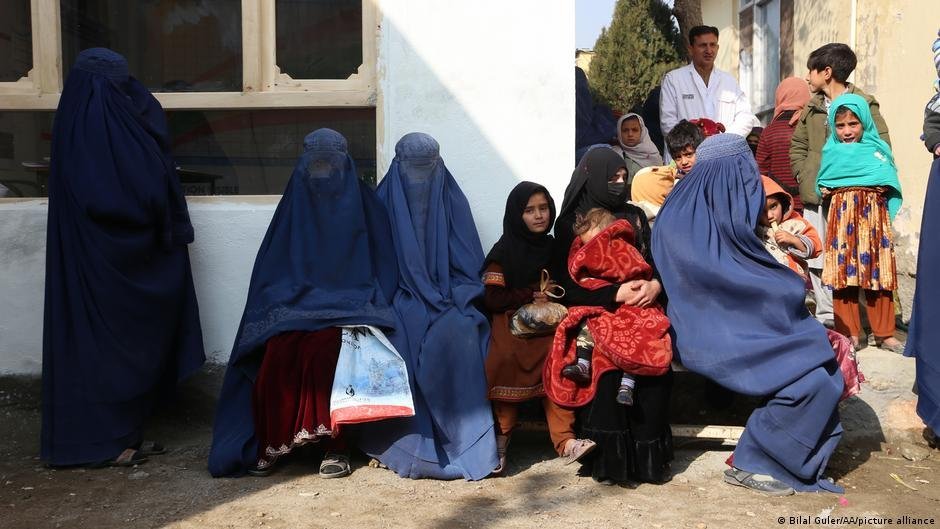
However, the planned deportations have raised numerous concerns. Human rights organizations say Afghanistan is in the midst of a humanitarian crisis, worsened by drought and drastic cuts in foreign aid.
Aid agencies also warn that many Afghans face severe food insecurity, with about 17 million people facing acute hunger.
The Commission initially did not want to confirm a meeting in Brussels. "I cannot confirm that a meeting with the de facto authorities from Afghanistan is planned in Brussels or that an invitation has been sent," a Commission spokesperson said on Tuesday. Talks at working level would continue, he added.
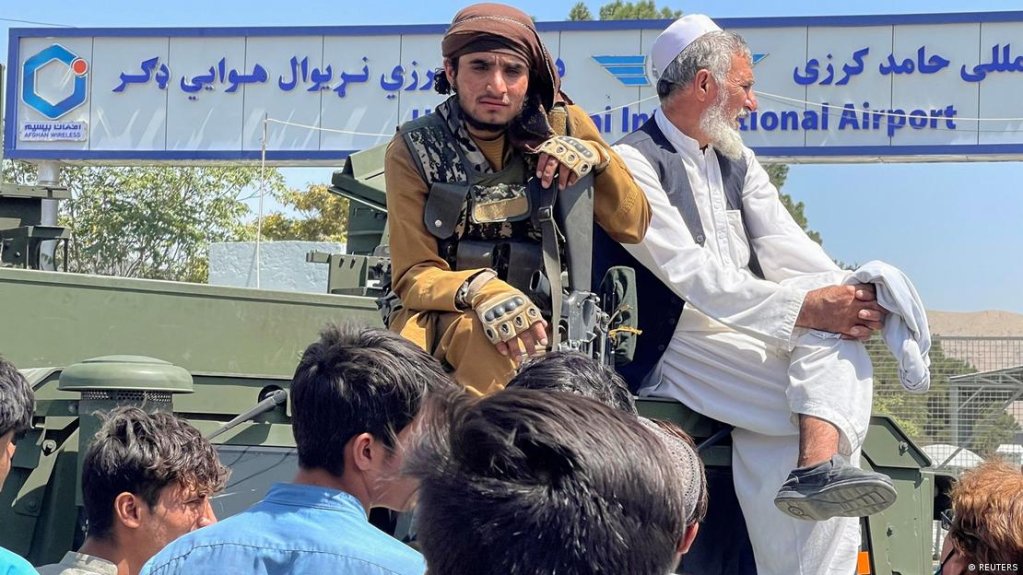
Since returning to power in 2021, the Taliban has enforced its strict interpretation of Islam through draconian laws. The United Nations says the authorities have continued measures that erase women from public life, restrict their movement and further limit their access to education, work and public participation.
Despite the humanitarian crisis and serious human rights concerns, around 20 EU states are seeking deportations to Afghanistan. Germany has already deported more than 100 Afghans since 2024 via charter flights facilitated by Qatar, despite not recognizing the Taliban as Afghanistan’s legitimate government. Austria has also pushed to resume returns.
The broader effort reflects mounting pressure from member states to find practical ways to enforce deportation orders, even as formal diplomatic ties with Kabul remain frozen and the EU continues to withhold official recognition from the Taliban authorities.
Read AlsoGermany deports two more convicted Afghan nationals
Tightening migration rules
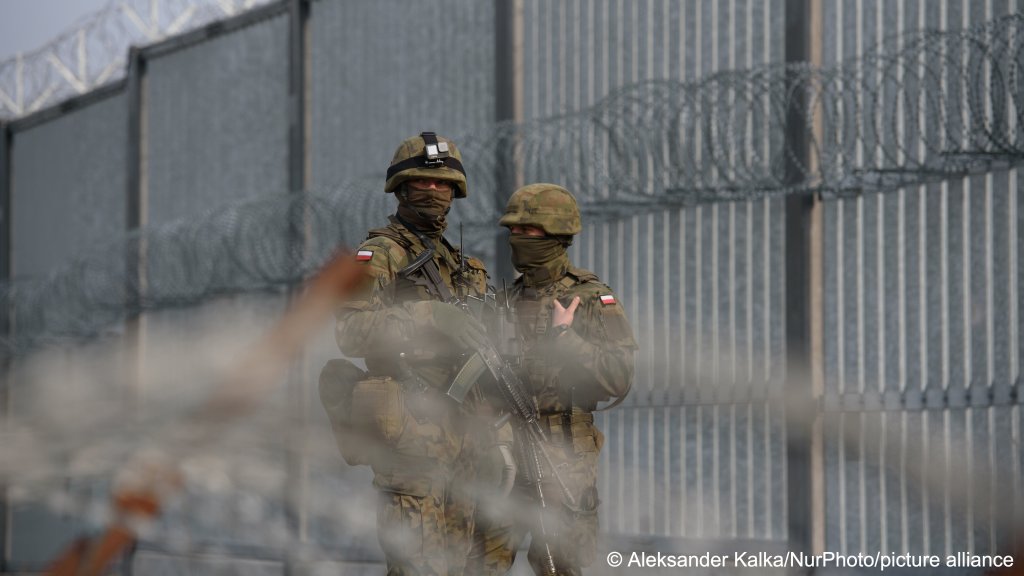
The planned talks come as some European countries are also tightening access to asylum for Afghans. In Poland, for example, rights groups say a suspension of asylum applications at the Belarus border has in practice left many Afghans unable to lodge protection claims, prompting warnings from legal experts, the UN refugee agency and the Council of Europe over possible violations of the principle of non-refoulement.
The shift toward stricter return policies is unfolding while migration routes to Europe remain highly dangerous. Frontex said irregular border crossings into the EU fell by 52 percent in the first two months of 2026, but nearly 660 people died in the Mediterranean during the same period, according to IOM figures cited by the agency.
The tougher line on returns also comes as legal routes remain limited and sea crossings grow deadlier. By early April, nearly 1,000 people had already died in the Mediterranean in 2026, according to IOM, despite a broader fall in arrivals on some routes.
Read AlsoAfghan refugees and Iran's poorest bear the brunt of war
with AFP