
More than 12,000 migrants were returned from Cyprus in 2025, as authorities expanded enforcement measures and increased pressure on the asylum system.
In Cyprus, the number of migrant deportations rose sharply in 2025, reaching more than 12,000 returns. Officials say returns now outnumber new arrivals. The government has continued to tighten its migration policy in an effort to reduce both the number of asylum applications and the number of migrants living irregularly on the island.
In total, 12,029 foreign nationals were removed from Cyprus in 2025, according to figures provided by Deputy Minister for Migration and Asylum Nicholas Ioannides in an interview with local media outlet Philenews published on April 11. Ioannides also highlighted the figures in a post on X.
The figure includes 11,610 returns of third-country nationals -- covering both assisted voluntary departures and forced returns -- as well as 419 relocations of refugees to other European Union countries.
Ioannides said that 70 percent of returns in 2025 involved people who had taken part in assisted voluntary return programs. He added that more than 2,000 returns had already been recorded in the first quarter of 2026. According to the government, most of those returned were from Syria, followed by India, Nigeria, Pakistan, Nepal, and Bangladesh.
"This is the highest number of repatriations ever recorded by the Republic of Cyprus," Ioannides said, adding that the country is "among the top three EU member states in terms of the absolute number of returns."
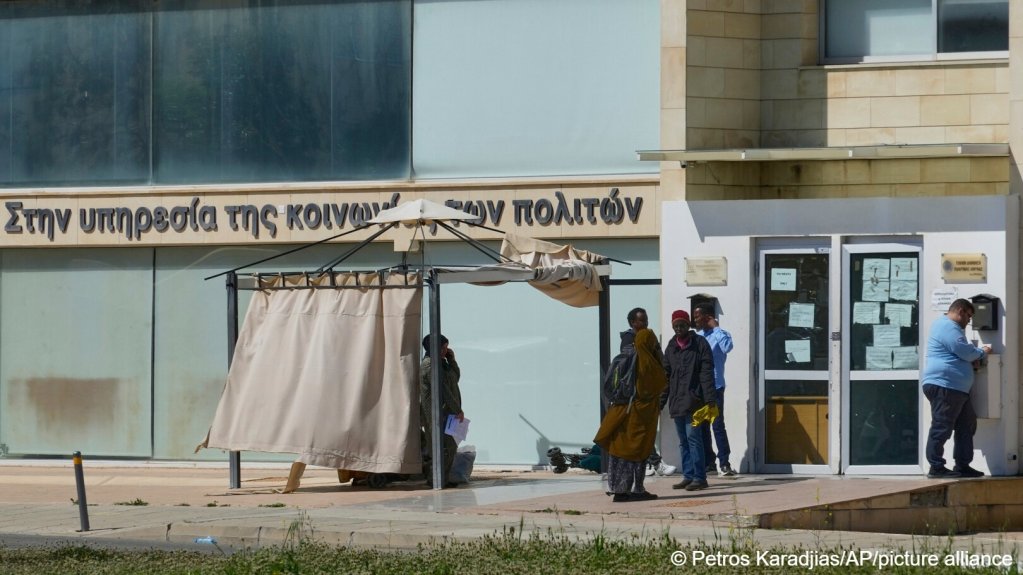
Data from the Asylum Service, under the Cypriot Ministry of the Interior, show that 4,600 people applied for asylum in 2025, including around one quarter from Syria. In 2023, by comparison, 10,662 new asylum applications were recorded.
In 2025, Cyprus granted refugee status to 470 people and subsidiary protection to 207 others. During the same period, authorities rejected 9,150 asylum applications, at a rate of more than 93 percent, among the highest in Europe. The number of people granted protection was around 17 times lower than the number removed from the island.
Recent government statements have presented returns as a central pillar of Cyprus’s migration strategy. Officials said faster asylum processing, tighter border controls, and expanded assisted voluntary return schemes had contributed to a decline in arrivals and a rise in departures over the past two years.
Read AlsoItalian PM urges Cyprus to focus on repatriation regulation during EU presidency
Pending applications
Ioannides also said the number of pending asylum applications had fallen to fewer than 16,000, down from nearly 24,000 in 2024. Cyprus has faced sustained migratory pressure for several years and, according to Elizabeth Kassinis of Caritas in Nicosia, which aid groups have linked in part to developments in Greece and the closure of the Balkan route. In 2022, she told InfoMigrants that the authorities had initially struggled to cope with the number of claims.
Relative to its population, Cyprus has regularly recorded one of the highest asylum application rates in the EU. In 2024, for example, 6,800 asylum applications were filed on the island, equivalent to one application for every 138 residents.
The government has made reducing irregular migration a central policy priority, in part to ease pressure on the asylum system. Ioannides said a recent amendment allows the withdrawal of subsidiary protection status from foreign nationals considered a threat to public order or security. He also said the authorities had increased their focus on assisted voluntary return programs and strengthened return measures in recent months.
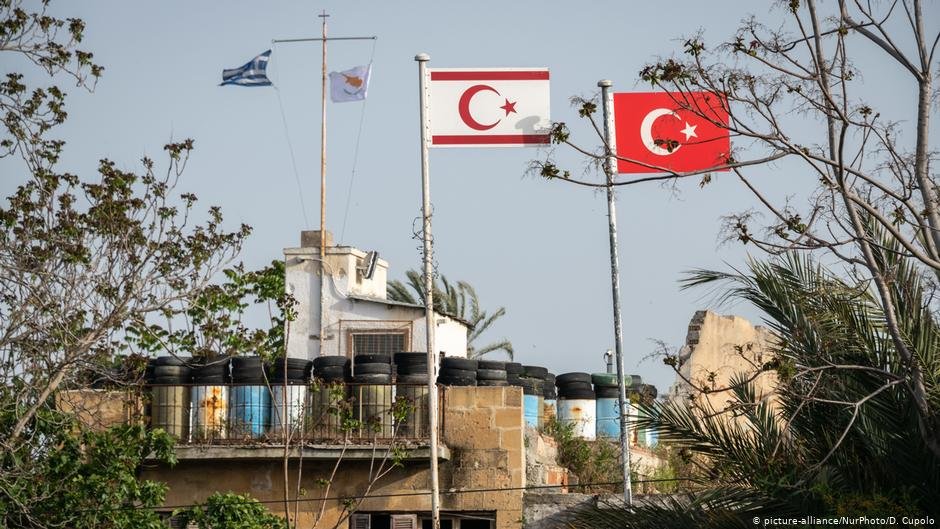
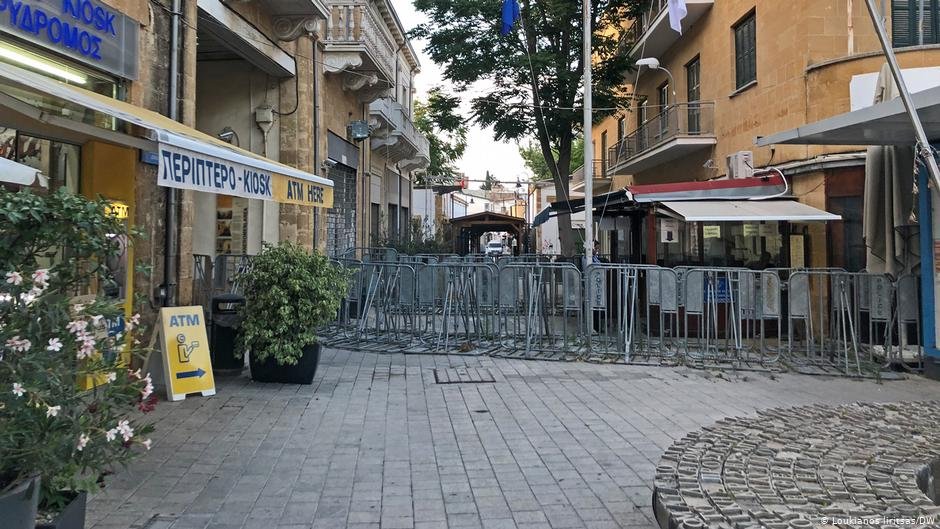
According to Ioannides, Cyprus has also stepped up surveillance of its sea borders and of the Green Line -- the buffer zone separating the Turkish-controlled north from the Greek Cypriot south, which is internationally recognized and part of the EU. He said that 186,000 foreign nationals currently reside legally in Cyprus, which has a population of just over 900,000.
The policy shift has also been reflected in recent enforcement operations. Since mid-December, Cypriot authorities have carried out a series of raids and police checks, with local media reporting removals from detention centers and prisons as well as additional voluntary departures.
Read AlsoCyprus intensifies migration enforcement operations
EU support
Since taking over the rotating EU Council presidency in January, Cyprus has emphasized migration policy, including returns, border management, and action against smuggling networks. The government has presented its domestic enforcement efforts alongside broader calls for a more effective EU return system.
Cyprus has also received support at the EU level. On November 11, 2025, the European Commission announced that Italy, Spain, Greece, and Cyprus would receive assistance to relocate at least 30,000 asylum seekers present on their territories to other member states.
At the time, the Commission said that Greece and Cyprus were facing significant migratory pressure because of the disproportionate number of arrivals over the previous year.
Read AlsoCyprus: Emphasis on returns as EU presidency takes shape
Pushback allegations
Cyprus remains an entry point into the European Union for thousands of migrants each year. Many arrive first in the north of the island and then attempt to cross into the south through the buffer zone separating the two sides. Others, mainly Syrians, reach Cyprus by sea from Lebanon.
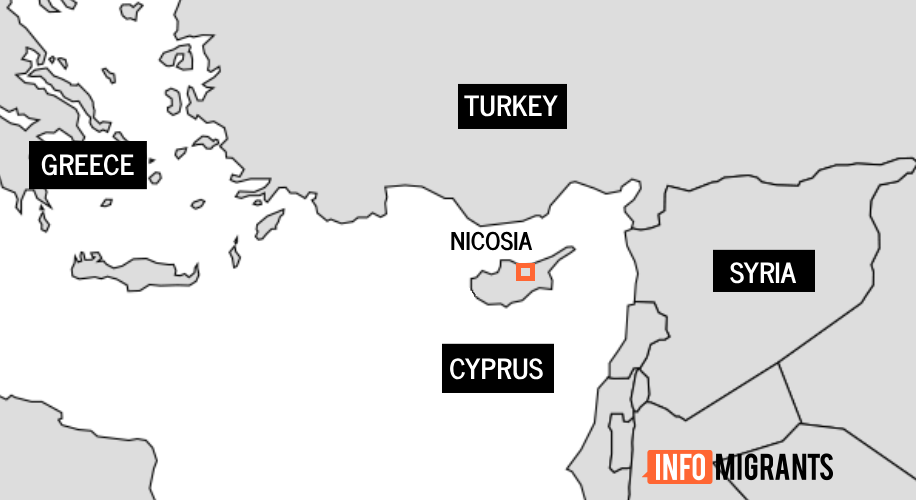
As the EU member state located furthest east and close to the Middle East, Cyprus lies about 160 kilometers west of the Lebanese and Syrian coasts. Its geographic position has made it a key destination and transit point for people fleeing conflict and instability in the region.
The island has been divided since 1974. The north is under Turkish control, while the south is internationally recognized and forms part of the European Union.
Cypriot authorities have repeatedly faced criticism over alleged pushbacks and over blocking migrants from crossing the Green Line into the southern part of the island. In summer 2024, the European Commission reminded Cyprus of its obligation to provide access to the asylum procedure in line with asylum law and the Geneva Convention.
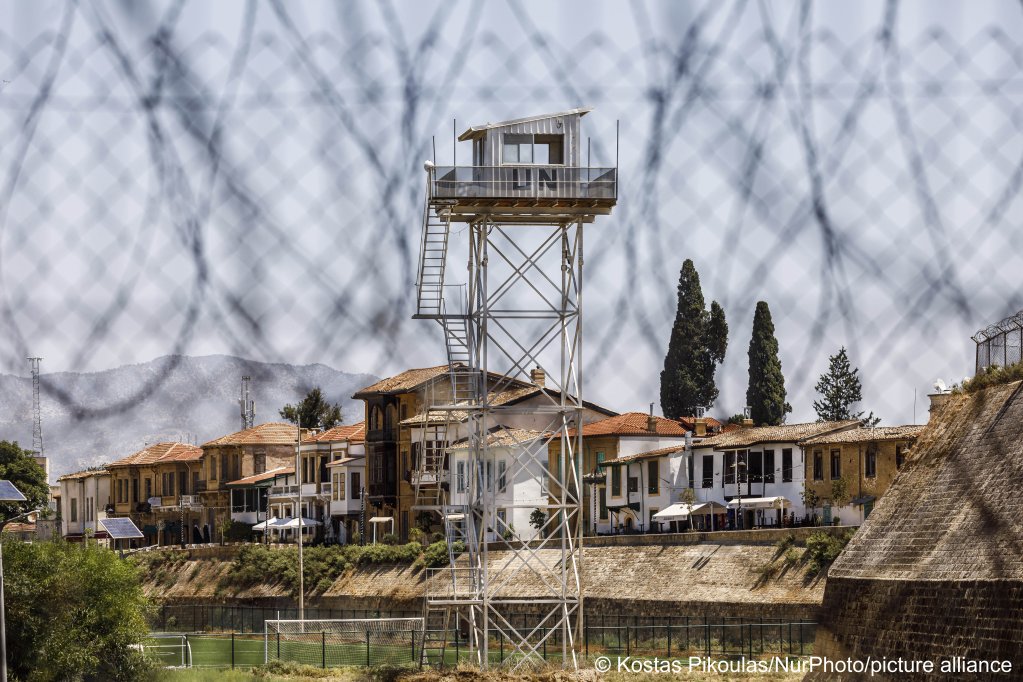
At the time, dozens of migrants were stranded in the buffer zone and effectively unable to lodge applications for international protection. They remained there in difficult conditions, relying on UN tents for shelter and limited access to water.
Human Rights Watch also reported in September 2020 that around 200 people on seven boats had been pushed back in less than 10 days after departing from Tripoli in Lebanon. According to the organization, those affected were denied the opportunity to apply for asylum and in some cases were subjected to violence.
In October 2024, the European Court of Human Rights ruled against Cyprus over the 2020 interception at sea of two Syrians who were returned to Lebanon without being given the opportunity to seek asylum. The court said such pushbacks were unlawful under international law.
Read AlsoTransplanted from Syria to Lebanon to Cyprus: A father's determination to save his son
This article is based in part on the French