
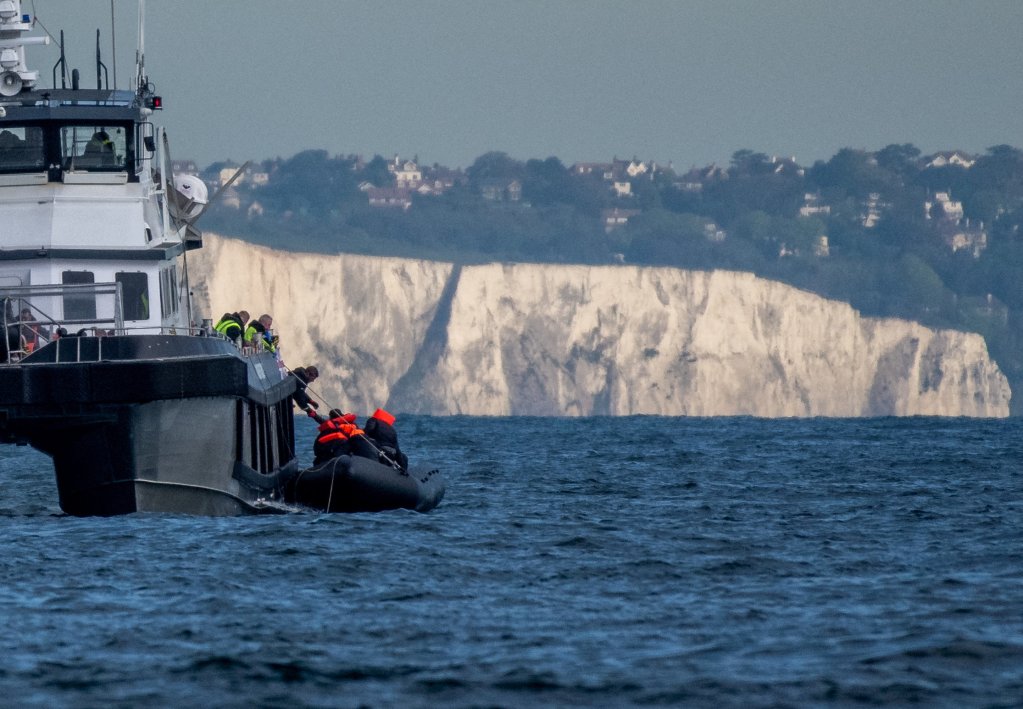
Over 600 irregular migrants crossed the English Channel to the UK on nine small boats on Saturday, April 18 — the second busiest day so far in 2026. Meanwhile, five small boats, carrying around 200 migrants, were spotted off the Belgian coast also on Saturday, and were reportedly escorted towards French waters.
In total, 602 migrants arrived on the southern coast of Britain in nine small boats, taking the number of overall arrivals to date in 2026 to more than 6,000, according to figures provided by the Home Office.
It was the second busiest day of migrant arrivals so far in 2026; the day with the most migrant landings so far was February 25, with 605 migrant arriving that day.
Also on Saturday, Belgian news agencies reported that five small boats, carrying around 200 migrants had been spotted off the Belgian coast. According to the Belgian news agency, they were escorted towards French waters. Officials said this is the first time that so many migrants have been in Belgian waters at once. One boat was intercepted early in the morning and then four more detected shortly before 8 am.
West Flanders governor Carl Decaluwé told the press that many on board the boats were not wearing life jackets and he judged the situation to be extremely dangerous. Once the boats reached French waters, they were expected to continue their journey across the Channel, reported Belgian news agency on Saturday (April 18).
Multiple launches
Authorities believe smugglers are launching multiple boats at once to make it more difficult to intercept them or intervene.
As temperatures are rising, creating smoother sailing conditions, the rate of irregular crossing attempts is expected to increase.
Earlier in April, six migrants drowned in the Channel during two separate attempts of trying to reach Britain; last year, at least 29 people are believed to have died during similar attempts.
The previous year, at least 84 people are believed to have died while attempting to cross the English Channel according to UN numbers.
Read AlsoTwo migrants die in Channel crossing attempt off Gravelines
New, restrictive law but little change in arrival numbers
Britain has been trying to clamp down on irregular migrant arrivals by small boat from across the Channel for years, increasing efforts after nearly 41,500 people managed to reach British shores last year — the second-highest year on record.
The government of Prime Minister Keir Starmer has been changing and increasingly narrowing the country's asylum and immigration laws in the hope of disincentivising people from aiming to reach the UK.
These include new limits to the duration of asylum status being granted to those who qualify; under new laws, asylum will become temporary and subject to review every 30 months; obtaining British citizenship will also take much longer for people who reach the country using irregular means.
Read AlsoMigrants continue crossing Channel, despite new policies in place
A Home Office spokesperson meanwhile told reporters that the government had managed to stop "over 42,000 illegal migrants attempting to cross the Channel since the election" of Prime Minister Starmer's government in July 2024.
"We have removed or deported almost 60,000 people who were here illegally. But we are going further to remove the incentives that draw illegal migrants to this country and increase removals and deportations of those with no right to be here," the statement continued.
Read AlsoThe UK has deported nearly 60,000 people since the Labour Party came to power
UK-France deal still hanging in the balance
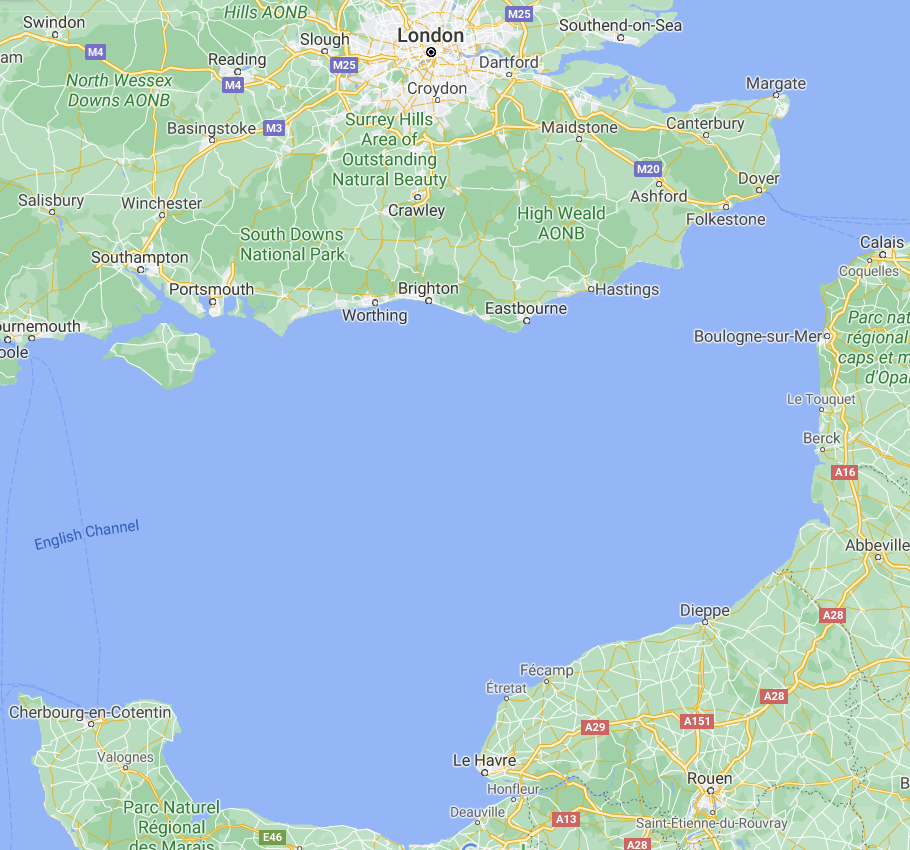
UK officials have been heavily focused on strategies to try and stop boat departures from the French coast since even before the election of the current government.
To this end, the previous UK government signed a three-year agreement with France, providing close to 550 million euros to fund extra patrols to disrupt migrant smuggling gangs operating there.
The deal funds the deployment of nearly 700 French law enforcement officials on the ground on the beaches of northern France.
That deal, however, expired on March 31, — without a long-term extension being reached yet. For the time being, the deal has been extended by two more months, which will reportedly cost an additional 18 million euros.
Read AlsoBritain's border deal with France extended for two months
France and Britain are hoping to renew the agreement; British authorities, however, say they expect French officials to increase their success rate in stopping boats from departing.
On the French side, however, there's considerable reluctance to comply with that request, as French laws prevent authorities from getting more proactively involved in stopping boats from departing.
For instance, there are laws that prohibit officials from disrupting a crossing attempt once it has started, as this could endanger human lives.
Read AlsoBritain seeks to renew 2023 migrant deal with France
Reform UK announces ambitious mass deportation plan
While boat arrivals make up only a small amount of the UK's overall immigration numbers, the issue has long become a major political talking point across the country.
In 2025, the majority of migrants arriving by small boat in the UK were Eritrean nationals, with over 7,600 Eritreans making their using this irregular method of migration. This was followed by more than 4,750 Afghans and nearly 4,500 Iranians and nearly as many Sudanese nationals.
The far-right Reform UK party, which is leading in various opinion polls, has now pledged to deport "hundreds of thousands" of small boat migrants, even saying it would deport those who may have already been granted asylum, although this would not be possible without a law change, if the party were to win the next general election, which is expected to be held in 2029
The party announced that it would review all successful asylum claims from the preceding five years, saying that anyone found to have entered Britain "illegally" or had overstayed a visa in order to subsequently claim asylum would "have their status revoked and be deported."
Read AlsoUK: Clashes with police reported at huge far-right rally
Reform UK home affairs spokesman Zia Yusuf referred to the arrival of migrants in Britain in recent years as a "real time invasion," which he pledged to reverse.
According to Reform UK leader Nigel Farage, this approach would place the asylum cases of an estimated 400,000 people under review, with the majority of those cases likely to result in deportation orders — if the Reform UK plan ever comes to fruition; the party said it would operate five removal flights per day to send people back.
Reform UK had also previously pledged to leave the European Convention on Human Rights (ECHR), which provides the framework for Britain's existing asylum and immigration laws.
The Conservative Party meanwhile has also announced similar plans to exit the ECHR recently if they were to win the next election.