
Sudan’s ongoing war is pushing a rising number of people fleeing the conflict toward Europe, with nearly 14,000 people reaching European countries as conditions continue to worsen. The conflict has created what the UN has called the world’s largest humanitarian crisis, marked by mass displacement, hunger, violence, and severe funding shortages, with aid agencies warning that regional instability and unmet needs are likely to grow.
A small but steadily rising number of people fleeing the war in Sudan are making the dangerous journey to Europe, as a protracted conflict and compromised living conditions push some beyond neighboring countries in search of safety.
According to the UN refugee agency (UNHCR), nearly 14,000 Sudanese have reached European shores via the Mediterranean so far, arriving in countries including Greece, Italy and Spain.
Civil war in Sudan has triggered the world's largest humanitarian crisis with approximately 11.6 million refugees and internally displaced people, according to UNHCR. Around 4.5 people have fled the northeast African country.
Though small compared to overall displacement figures, officials warn the trend could intensify as conditions deteriorate.
"People are arriving in Greece. They are arriving in Italy. They are arriving in Spain," said Mamadou Dian Baldé of UNHCR. He warned that failing to address the crisis at its source risks wider instability.
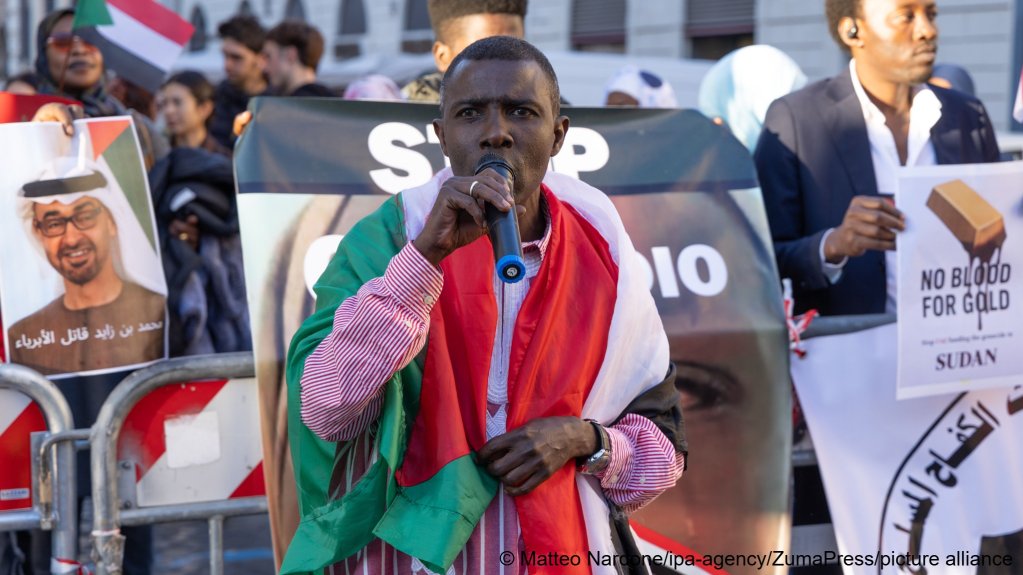
"If people think that this conflict can continue like this and that it is not going to affect the stability in the region, it's just a big, big, big mistake," he declared.
The overwhelming majority of Sudanese refugees, around 4.5 million, remain in neighboring countries, but dwindling resources, limited opportunities and uncertainty about the war’s end are increasingly pushing some to move onward. More than half a million are currently stranded in Libya, often a staging ground for dangerous sea crossings.
Read AlsoBelgian migration minister visits DR Congo amid efforts to discourage asylum seekers
'Weaponizing hunger'
The conflict in Sudan, which began in April 2023 between the national army and the paramilitary Rapid Support Forces, has spiralled into a humanitarian catastrophe.
Tens of thousands of people have been killed and more than 11 million displaced. Nearly two-thirds of the population, around 34 million people, now require humanitarian assistance.
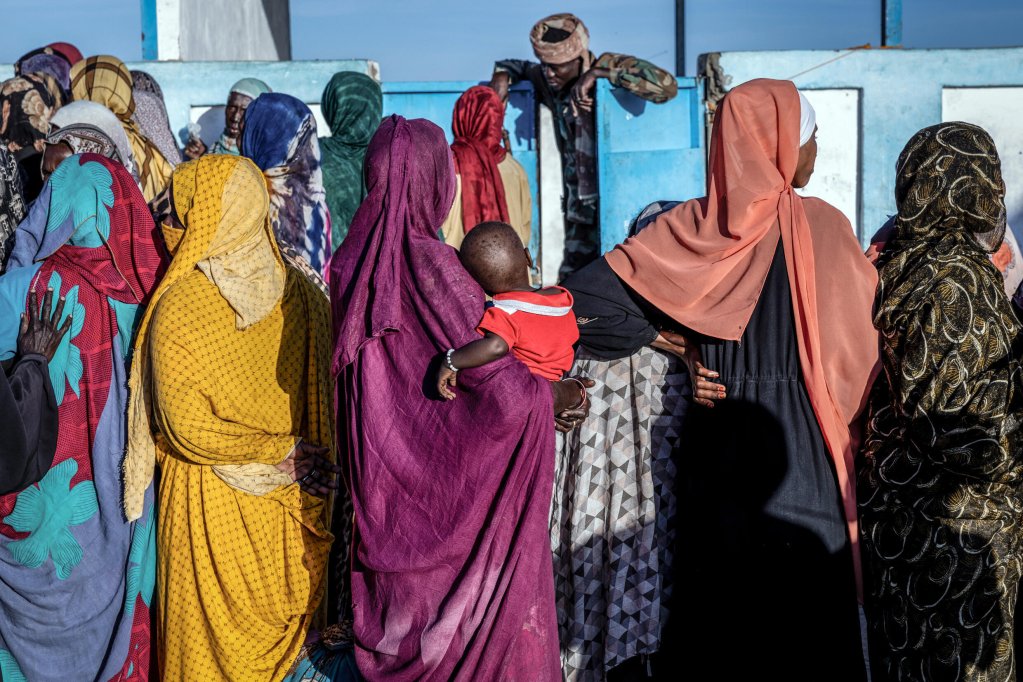
Recent months have seen an escalation in violence, including drone strikes that have reportedly killed nearly 700 civilians this year alone. Entire communities have been uprooted repeatedly, with widespread reports of sexual violence and attacks on civilians.
Large parts of Sudan are facing famine-like conditions, with hundreds of thousands of children acutely malnourished. Agricultural systems have collapsed, and access to food is often deliberately obstructed.
UN officials and aid groups warn that starvation is not merely a byproduct of war but, increasingly, a tactic.
"There are serious human rights violations. Hunger is being used as a weapon against the population," said Katharina Götte of the German Catholic aid organization Misereor. Blockades, looting, and destruction of livelihoods have become part of daily life in the region.
Read Also'Mayotte, I have never heard of it': Congolese migrants flee to unfamiliar destination
Regional destabilization and strain on neighbors
The crisis is increasingly destabilizing Sudan’s neighbors, as violence has also crossed borders particularly in Chad, which hosts more than 1.3 million Sudanese refugees. Aid agencies warn that funding shortages mean basic needs are going unmet. Conditions in Chad are disastrous and refugees often receive less water than minimum standards require, while food assistance is being cut. The UN says it can currently support only four in ten refugees in Chad.
Armed incursions and drone strikes have hit areas inside Chad, endangering civilians and aid workers alike. Global medical charity Doctors without Borders (MSF) reports mass casualty incidents and an increasingly unsustainable security situation along the frontier.
Elsewhere, countries such as South Sudan and Egypt are also under mounting pressure from large numbers of arrivals of displaced people.
Read AlsoCanary Islands: Migrant arrivals down over 80 percent in first quarter of 2026
Aid system under pressure
Humanitarian organizations say the scale of need is outstripping their capacity to respond.
"Right now, needs are outpacing our ability to respond, and that gap is measured in human lives," said IOM Director General Amy Pope. "Every day assistance is delayed, families go without food, water, or safety."
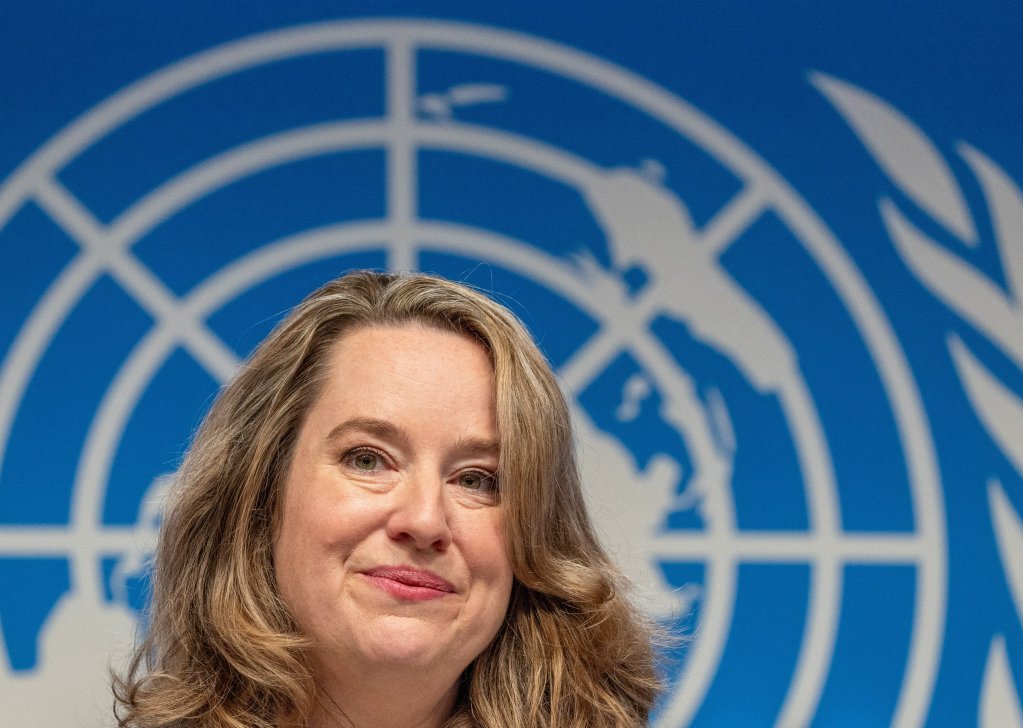
Funding shortfalls are acute. The UN’s multi-billion-dollar appeal for Sudan remains heavily underfunded, with some programs receiving only a fraction of required resources. In Chad alone, agencies face a shortfall of more than 400 million dollars (around 339 million euros) for refugee support.
Logistical challenges, from disrupted supply routes to climate shocks such as flooding and extreme heat, are compounding the crisis, increasing food insecurity and the spread of disease.
Read AlsoEU and Nigeria seal migrant returns pact
UN calls on more aid from Europe
For European governments, the relatively small number of Sudanese arrivals so far does not yet constitute a major migration trend. But officials are warning that without stronger international action, pressures will grow.
UNHCR and other agencies argue that countries seeking to limit migration should invest more heavily in supporting refugees closer to home, particularly in host countries like Chad, and in scaling up humanitarian aid inside Sudan itself.
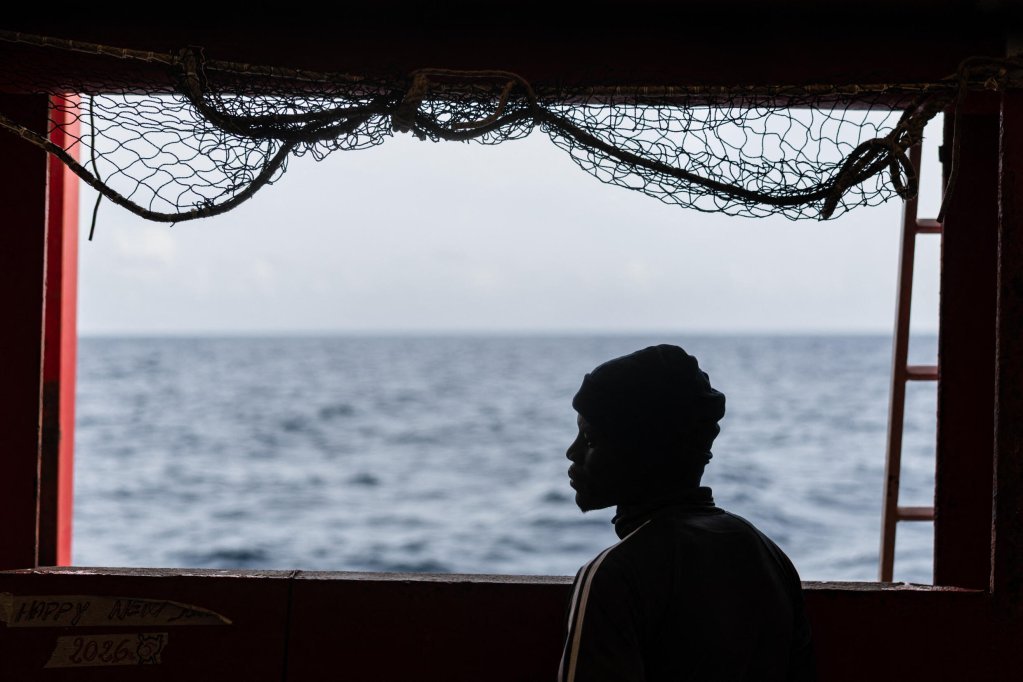
Wednesday's (April 15) donor conference in Berlin with more than 60 country representatives aims to mobilize funding and revive diplomatic efforts, though expectations for a political breakthrough remain low. The Sudanese army and the Rapid Support Forces, the main parties to the conflict, will not be directly represented.
Humanitarian leaders stress that the solution ultimately lies not only in aid, but in ending the conflict.
"We need action now, to stop the violence, protect civilians, ensure access," said UN aid chief Tom Fletcher. "This grim and chastening anniversary marks another year when the world has failed to meet the test of Sudan."
German Minister of State at the Foreign Office Serap Güler, from the conservative CDU party, in an interview with web.de recently urged Germany to do more to help Sudanese at the borders with their country.
Last week, (April 9) the German Development Ministry confirmed that they had given around 26 billion euros in development aid overall in 2025. This though, they said represented a drop of about five billion euros compared to the previous year.
The OECD calculated that in 2025, Germany paid out about 0,56 percent of its GDP to support developing countries. This sum made them in absolute terms the biggest donor, surpassing the USA for the first time. However, this meant that the country still failed to meet its declared target of giving around 0.7 percent of its GDP.
As a conference began in Berlin on Wednesday about Sudan, German Foreign Minister Wadephul pledged a further 20 million euros in aid for Sudan this year, reported several German newspapers, including the news weekly Die Zeit. According to the German Foreign Ministry, by the end of 2025, Germany had already organized around 155 million euros in aid for Sudan. The 20 million euros will be in addition to this, they promised.*
With dpa, Reuters, KNA, and AFP
*This article was updated on Wednesday, April 15 after the Sudan conference began in Berlin and the German Foreign Minister Wadephul pledged a further 20 million euros for Sudan this year.