
Belgium’s migration minister visited the Democratic Republic of the Congo (DRC) to dissuade asylum applications, amid a rise in Congolese claims that are largely rejected on what Brussels claims to be economic grounds. The visit comes as Belgium expands migration cooperation with several other countries as part of its migration policy.
Belgium’s minister for Asylum and Migration, Anneleen Van Bossuyt, has traveled to the Democratic Republic of the Congo (DRC) on a diplomatic mission aimed at discouraging people from seeking asylum in Belgium.
The visit comes against a backdrop of rising applications from Congolese nationals. Around 1,250 people applied for asylum in 2023, a figure that doubled to about 2,500 in 2025. In the first three months of 2026 alone, more than 450 applications had already been recorded, according to Belga News Agency.
Van Bossuyt described the increase as "far too high," highlighting that only a small proportion of applicants are ultimately granted protection. In 2025, fewer than 15 per cent of Congolese asylum claims were approved in Belgium.
Read AlsoChannel crossings: More and more are taking to the sea from Belgium to reach England
Belgium rejects asylum claims based on economic needs
The minister has argued that many applicants originate from Kinshasa rather than conflict-affected areas in eastern Congo, suggesting that economic motivations are often the primary driver. Under Belgian asylum rules, economic reasons do not qualify for protection, and such claims are typically fast-tracked for rejection.
Belgium’s Immigration Office has similarly stated that a large majority of applicants come from the Kinshasa region, with relatively few arriving directly from conflict zones in the east. Officials say many are driven by social or economic hardship, and only around 10 percent of asylum seekers from the Kinshasa region are granted protection.
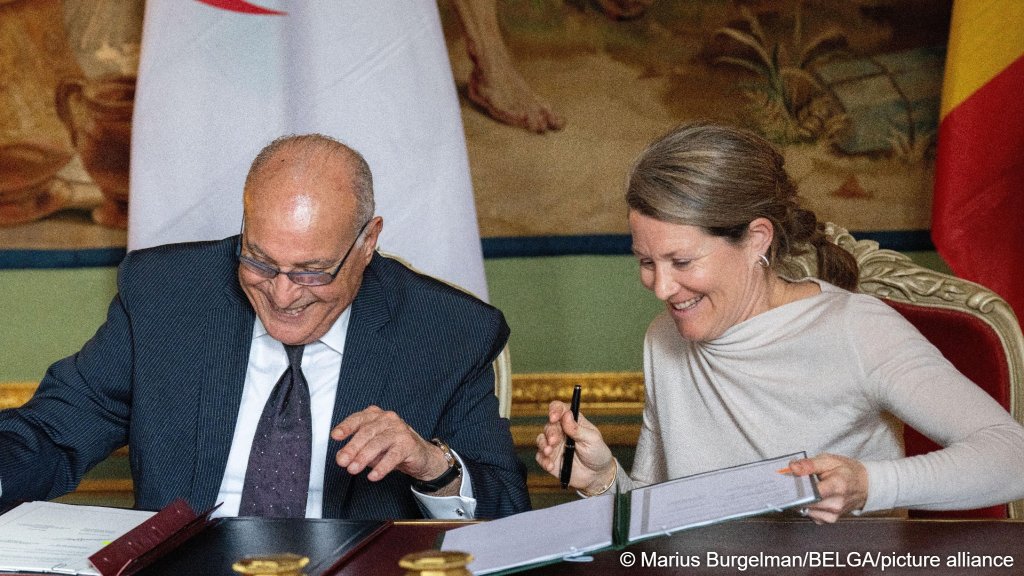
Van Bossuyt also alleged that some individuals misuse visa channels by entering Belgium on tourist visas and then applying for asylum, a practice that is not permitted.
During her stay in Kinshasa, she is scheduled to meet officials including Interior Minister Jacquemain Shabani Lukoo, as well as other migration authorities. She is also expected to speak with local and international media about strengthening cooperation on returns policy and addressing irregular migration.
Alongside the visit, an online campaign has been launched to reinforce the message that asylum claims based on economic grounds are unlikely to succeed in Belgium.
Conflict and displacement continue to drive migration pressures
The rise in asylum applications comes amid renewed violence in eastern DRC. Since the beginning of 2025, the M23 rebel group has captured the cities of Goma and Bukavu, displacing hundreds of thousands of people.
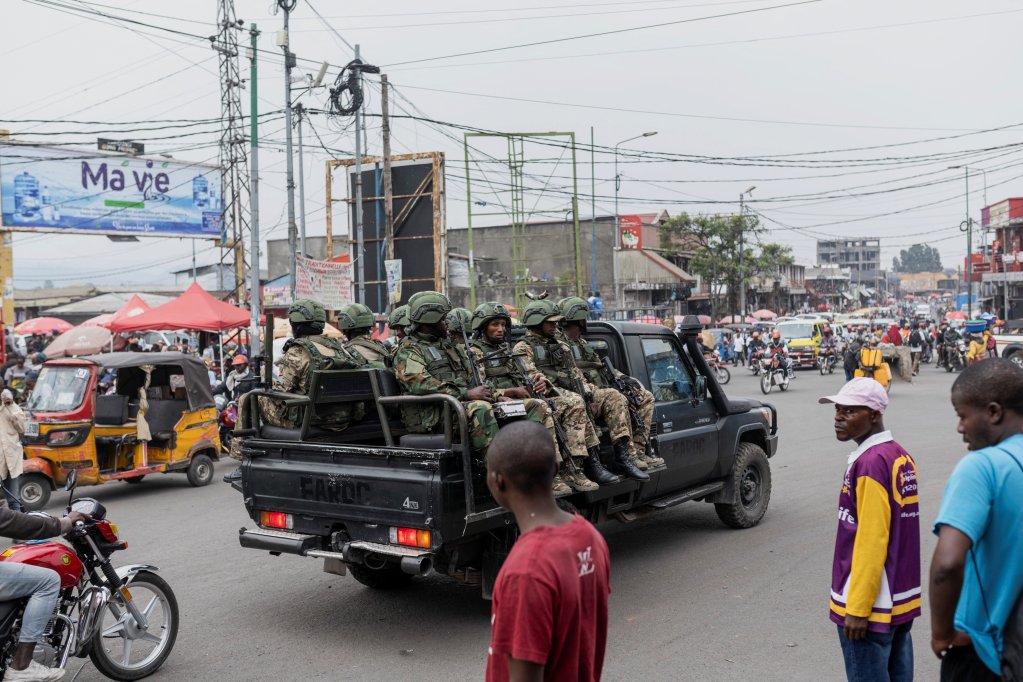
However, for many of those affected, leaving the region remains extremely difficult. As a result, most displacement is internal, with people fleeing to nearby areas, moving toward Kinshasa, or crossing into neighboring countries rather than continuing onward to Europe.
Between January and May 2025, 954 Congolese nationals applied for asylum in Belgium, twice as many as in the same period the previous year, making them the second-largest group of applicants after Palestinians, according to Belga.
Belgium expands migration talks with Turkey and Afghanistan
Van Bossuyt has made bilateral negotiations with countries of origin a key priority for 2026, describing the strategy as one of "give and take." Alongside the DRC, Belgium is also planning negotiations and visits to Turkey and Afghanistan.
Last year, applicants from the DRC and Turkey ranked fourth and fifth respectively among asylum seekers in Belgium, according to Belga.
Afghanistan remains a particular focus of Belgium’s return policy. A technical and administrative mission took place in January as part of a broader European initiative, during which officials held talks with the Taliban authorities on the possibility of returning Afghan nationals. In the spring, a representative of the Afghan administration is expected to travel to Brussels for discussions with the European Union.
Afghanistan was the main country of origin for asylum applicants in Belgium in 2025, with applications rising by 11 percent year on year to 3,947 out of a total of 34,439 requests. Of these, 39 percent were follow-up applications submitted after new elements emerged in applicants' files.
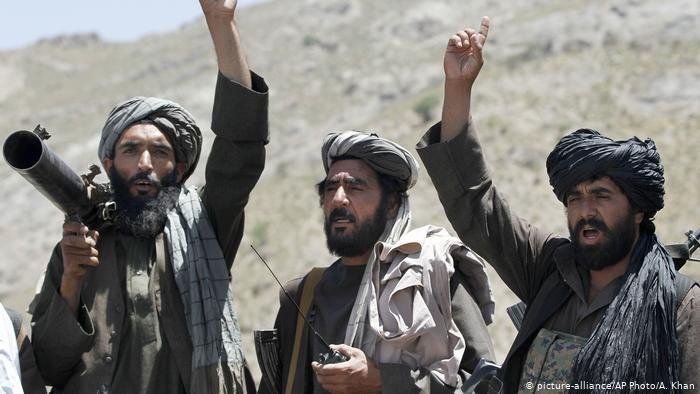
According to the European Council on Refugees and Exiles (ECRE), Belgium has already participated in talks with the Taliban regarding the return of Afghans with criminal records or lacking identity documents. In January, Immigration Office Director-General Freddy Roosemont traveled to Kabul for a three-day "administrative recognition mission" organized by the European Commission.
Van Bossuyt has said that Belgium does not share the Taliban’s values, but considers limited administrative cooperation necessary to enable deportations. She framed this as part of the "give and take" approach, warning that countries refusing to cooperate on returns cannot count on Belgium’s full support in other areas, a position that could also apply to future engagement with the DRC and Turkey.
However, ECRE reported strong criticism from NGOs working with migrants, asylum seekers and refugees, which have raised ethical concerns about cooperation with the Taliban and broader issues surrounding Belgium’s asylum and detention policies.
Read Also'Mayotte, I have never heard of it': Congolese migrants flee to unfamiliar destination
Congolese migrants seek alternative routes to Indian Ocean islands
As conflict continues, some Congolese migrants are attempting alternative and often dangerous migration routes. One trend is the sea journey to the Indian Ocean islands of Mayotte, a French territory, and Comoros, sometimes undertaken knowingly and sometimes after migrants are misled by smugglers.
While some make the journey, others perish at sea. Last month, at least 18 African migrants drowned off the coast of Comoros while attempting to reach Mayotte; survivors said they were from the DRC.
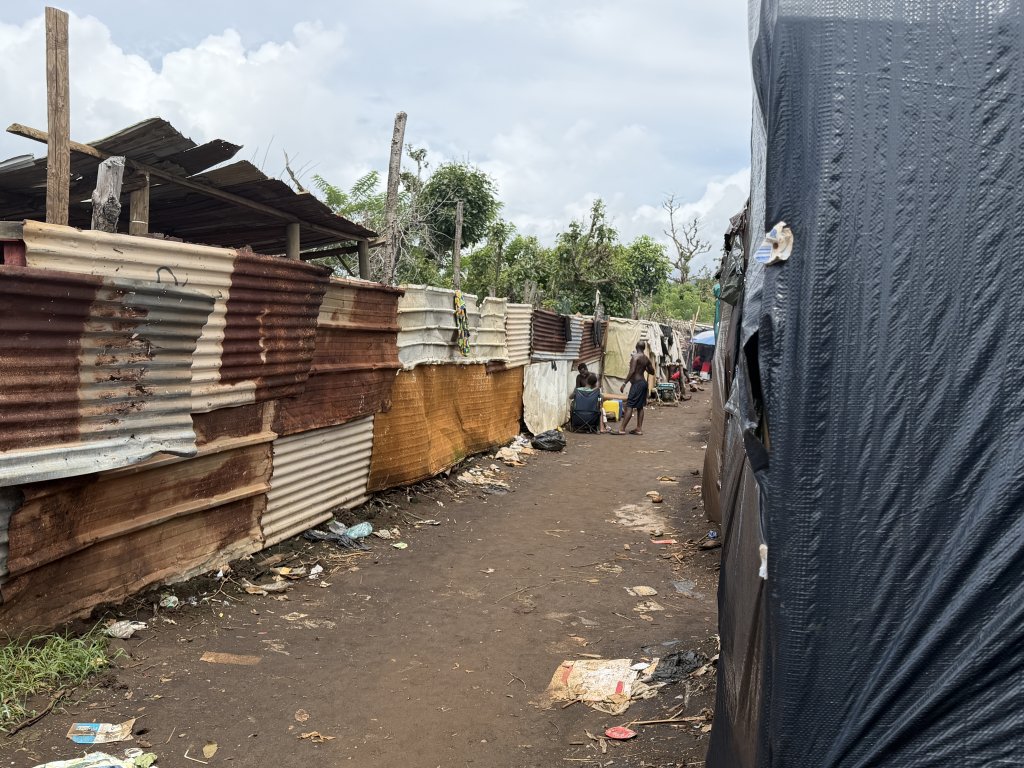
Despite being France’s poorest overseas department, Mayotte has become a major destination for migrants seeking security or better economic opportunities. Many undertake the journey by sea, paying smugglers to cross dangerous waters, and according to the International Organization for Migration, thousands have died along this route.
The migration pathway from the DRC to Mayotte, often transiting through Tanzania, has expanded in recent years. Congolese nationals now make up the largest group of asylum seekers on the island, surpassing migrants from Comoros, who had historically formed the largest group.