
The UN migration agency IOM says more than 180 migrants are missing and feared dead after the latest Mediterranean shipwrecks. This, they say, brings the estimated death toll in the Mediterranean to nearly 1,000 since the start of 2026.
The death toll on all Mediterranean routes is thought to be at least 990 since the beginning of the year, with the Central Mediterranean being the deadliest, with an estimated 765 people who are thought to have died on this route.
Other humanitarian organizations believe the toll could already have surpassed 1,000, since no one knows how many people may have set out earlier in the year as Cyclone Harry wreaked havoc in the Mediterranean basin. The appearance of dozens of bodies, thought to be migrants, washing up on beaches around southern Italy and some North African coasts suggests that whole boatloads of people may have been lost beneath the waves before anyone had time to signal they were in trouble.
"These tragedies show, once again, that far too many people are still risking their lives on dangerous routes," declared IOM Director General Amy Pope. "Saving lives must come first. But we also need stronger, unified efforts to stop traffickers and smugglers from exploiting vulnerable people, and to expand safe and regular pathways – so no one is ever forced into these deadly journeys."
Read AlsoItaly impounds Sea-Watch 5 in response to the latest disagreement over sea rescue law
The latest shipwrecks
More than 80 migrants are thought to be missing after a boat capsized in the Central Mediterranean on April 5. The boat had left Tajoura in Libya with around 120 people on board, but after taking on water in rough weather, it overturned.
Thirty-two survivors were rescued by a merchant vessel and a tugboat and later brought to Lampedusa by the Italian Coast Guard. Two bodies were also recovered from the shipwreck. IOM teams have been assisting survivors on the ground, stated an IOM press release from April 7.
Last week, Italian rescue crews found 19 people dead on board a vessel floating near the island of Lampedusa. Survivors on that boat, 58 in total, including women and children, were reported to be in a "critical condition."
Many of that group left Lampedusa on a ferry earlier this week, transported to the Italian mainland. Angela Caponnetto, a senior correspondent for Italy’s public broadcaster RAI and author of a book about migrants, posted a video of their departure on her X page.
The survivors said they had spent at least three days at sea and had been drifting after their engine failed. Their food supplies also ran out and the weather conditions deteriorated during their voyage.
Read AlsoIOM counts greatest number of migrants in Libya to date
Eastern Mediterranean
On the same day last week, at least 19 migrants also died in the Aegean Sea, between Bodrum in Turkey and the Greek islands. It was reported that most of those on board the boat came originally from Afghanistan. Several others were rescued and taken back to Turkey.
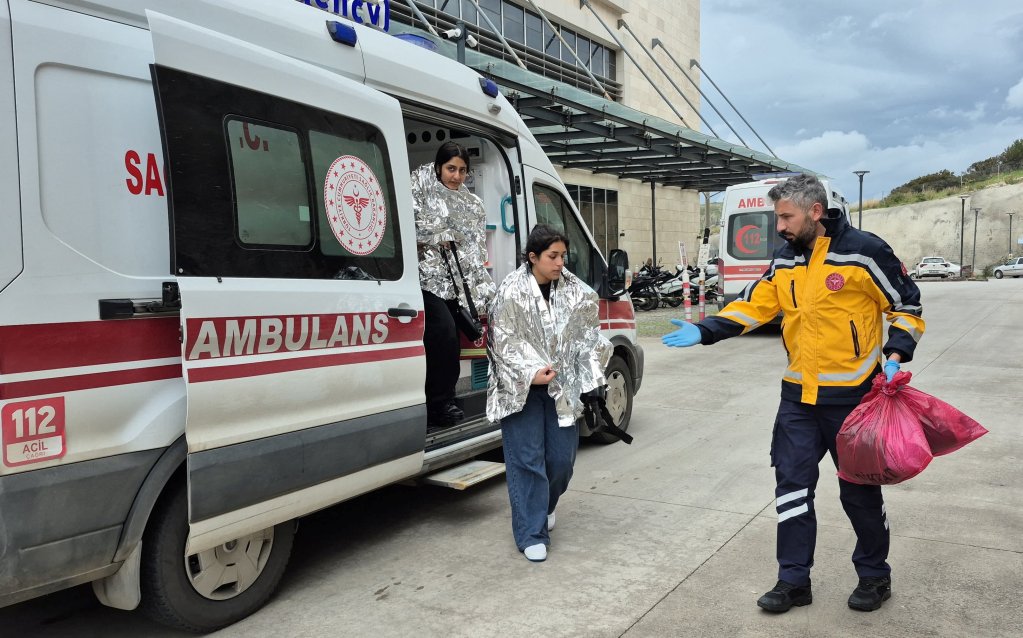
On March 28, at least 22 people died off Crete after departing eastern Libya, and a shipwreck near Sfax in Tunisia on March 30 also left 19 confirmed dead and around 20 more missing.
Read AlsoTobruk-to-Crete migrant crossings intensify as Greece enforces strict sea patrols
Fewer arrivals as fatalities are rising
While fatalities on the Mediterranean routes are rising, the number of arrivals has declined sharply this year.
According to Italian government data, between January 1 and the morning of April 8, just 6,524 migrants arrived by boat in Italy. Last year, that number in the same time period stood at 11,419 and in 2024 at 15,644.
The majority of arrivals by boat in Italy are Bangladeshi nationals (1,779), followed by nationals from Somalia (900), Pakistan (693) and Sudan (643). The number of unaccompanied minors arriving by sea has also reduced this year. Since the beginning of January, just 1,321 have been registered as arriving, compared to 12,177 in the same period last year and 8,752 in 2024.
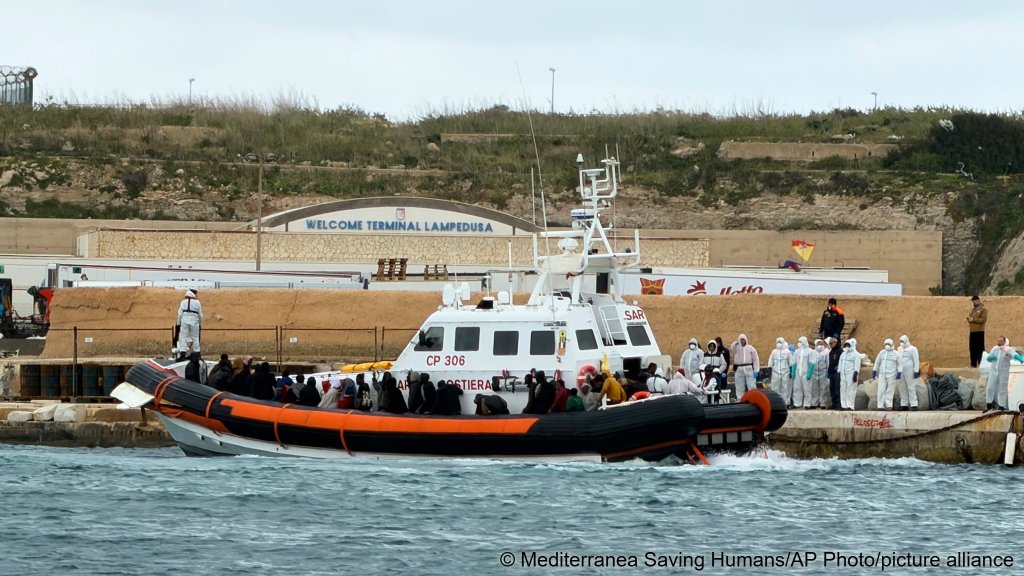
In the early morning of April 8, 163 migrants arrived on board six small boats from Libya and Tunisia, according to the local newspaper Il Sicilia in Sicily. Five of the boats are reported to have set off from Libya and one from Zarzis in Tunisia. The boats were brought in to the port at Lampedusa with help from the Italian Coast Guard, Border and Tax police (Guardia di Finanza) and the European border agency Frontex, reported the local news site Agrigento Notizie.
Those on board each boat ranged from just 7 to 45 years in age and came from Sudan, Afghanistan, Ethiopia, Bangladesh, Egypt, Eritrea, Somalia, Chad, Gambia and Pakistan, according to local media.
Those who arrived said they were hoping to travel on from Italy to reach France, the UK, Switzerland, Germany and the Netherlands. They were taken to the first reception center or "hotspot" on Lampedusa, which is currently hosting 180 migrants.
Read AlsoIncrease in migrant deaths highlights rising dangers of Mediterranean route
Administrative detention
Meanwhile, this week, the Italian government announced it would be impounding another private rescue ship, the Aurora, operated by the German rescue organization Sea-Watch. This follows the Italian government's administrative detention of the Sea-Watch 5 last week. Sea-Watch has said that it will challenge the detention in the courts.
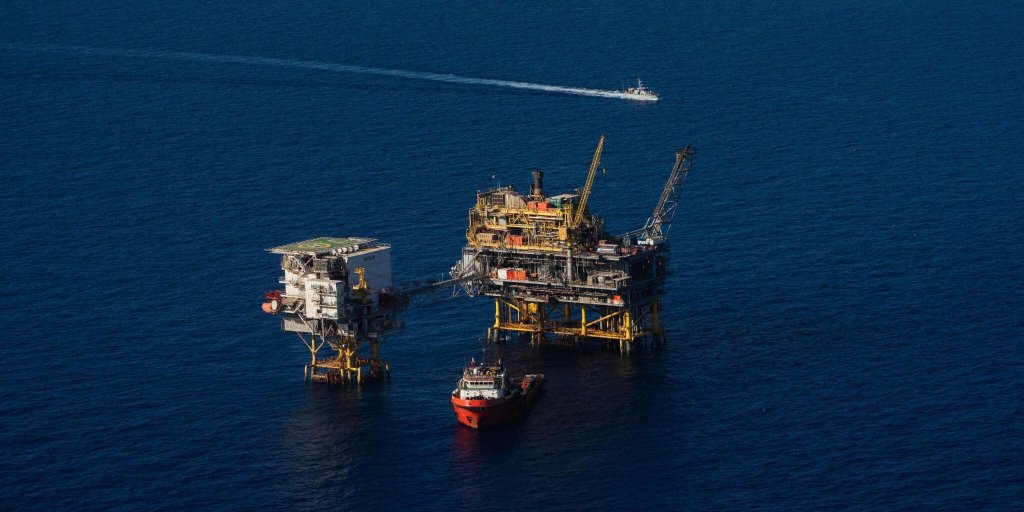
Giulia Messmer, spokesperson for Sea-Watch declared, "while hundreds of migrants are drowning in the Mediterranean, the Italian government is blocking ships that could rescue them. 44 people sat for five days on an oil platform in the Mediterranean, and not one European country went to help them."
Messmer then criticized the German government, saying that their "silence allowed these policies to continue. Anyone who criminalizes sea rescue is making a conscious decision against human lives," Messmer concluded.
Sea-Watch have criticized the Italian government's reasoning behind the detention and posted about it on X.
In German, the crew of the Sea-Watch posted on April 7, saying, "Italy is holding us without legal back up. They are saying that we should have told the Libyan military about our operations. But we ask ourselves, why should we tell these militias when they abuse people on the move and in some cases kidnap them and torture them?"
Sea-Watch and other fellow rescue organizations continue to underline that they don't consider the Libyan authorities or the Libyan Coast Guard legitimate actors for rescue operations because they continually break human rights laws. They add that several Italian courts have found in their favor and confirmed the same state of affairs.
With AP, AFP
Read AlsoBangladesh-Libya-Italy migration route: 'An adaptive and organized route to Europe'