
The Danish government has adopted one of Europe’s most restrictive asylum policies. The country systematically deports rejected asylum seekers and foreign nationals whose residence permit has lapsed. The Avnstrup return center houses families before their deportation. Some foreigners live in the center for years however.
The Avnstrup return center is located in the countryside about an hour outside of Copenhagen. The former sanatorium is used to house families without legal residence in Denmark, as well as people whose asylum requests were rejected but who cannot be returned to their country of origin.
The red-brick center run by the Red Cross is in the middle of a forest. In March 2026, 185 people were housed in the institution. Some are subjects of the Dublin regulation, meaning they entered European territory through a different country than Denmark and the assessment of their asylum request depended on that country. Those belonging to that category were identified during phase one of their asylum request.
Others were sent to the center during phase two, the examination of their asylum request. They are usually people who committed an infraction and are ordered to leave the country after they serve their sentence. The final category of foreigners living in the center are those who were refused asylum during phase three. Approximately one-third of Avnstrup's residents fall into each of these three categories.
Read AlsoDenmark, Sweden: Stricter immigration policies lead to historic low migration
Cooperate or risk deportation
Denmark is the only country in the European Union (EU) which established deportation centers on its territory. After welcoming several thousand refugees in the 1980s and the 1990s, Copenhagen has begun championing an extremely restrictive immigration policy.
The policy is based on forcing rejected asylum seekers and foreigners whose residence permit has expired to leave the national territory. Established in 2020 under the Ministry of Immigration and Integration, the Danish Return Agency (Hjemrejsestyrelsen) is responsible for the deportation and repatriation of foreigners.
Foreigners whose asylum request was refused are encouraged to cooperate with the immigration authorities on their departure. They can continue staying in an accommodation center and receive financial assistance to return to their country of origin. If they refuse, they are placed in one of two deportation centers: Avnstrup or Kærshovedgård.
Read AlsoEU announces rise in deportations, while Denmark signals it is prepared to overstep ECHR
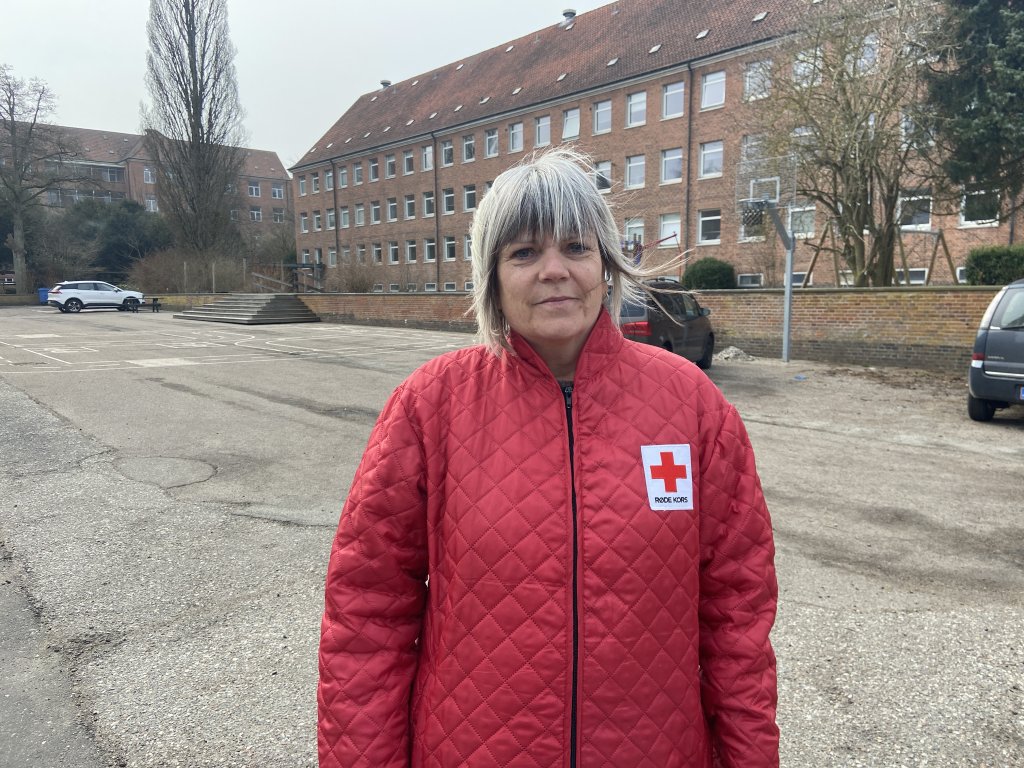
Officials regularly propose solutions for departure to the people detained in the centers. If cooperation is impossible, the foreigners face deportation. "It happens four or five times a year. The agents usually come very early in the morning and take people away with them [. . .] It’s terrible, the walls of the center shake in these moments,” said Helle Jørgensen, the head of the Avnstrup center for the Red Cross.
Indefinite detention
Foreigners staying at the Avnstrup return center are free to come and go. Yet they are required to check in twice a day with the center’s authorities. They also have the possibility of leaving the center for two days, twice a month, on the condition of obtaining permission from the Danish authorities.
Access to food is regulated according to the administrative status of the residents. The asylum seekers in phase one receive prepared meals while those in phase two have the right to prepare their own meals. "People [waiting for a response to their asylum request] usually receive pocket money for this but here, people whose asylum claims were refused can’t have money so people order the cooking ingredients they need online, and this is delivered to them in the center," said Jørgensen.
Read AlsoDenmark: Unprecedented measures to signal to migrants they are not welcome
The distinction sometimes borders on the absurd. "We recently welcomed 20 women who were previously lodged at Kærshovedgård. They ate meals in a cafeteria that were served to them there. When they came here, the administration didn’t want to improve their living standards. We therefore receive frozen meals twice a week for these 20 women only, while the other residents can cook," said the Red Cross official.
"The conditions [of daily life] are supposed to be as difficult as possible, as intolerable as possible, this is the word that [the managers] use, to try to push people to leave. But without crossing the line into violating their rights," said Eva Singer, from the Danish Refugee Council.
Detention in the center can last months, and even years. Some foreigners cannot be deported, either because Denmark doesn’t have diplomatic relations with their country of origin, permission from the European country through which they first arrived is lacking, or because the authorities from the foreigner’s country of origin don’t recognize them as citizens anymore.
Foreigners 'tolerated'
Anna* is among the foreigners who can’t be deported because the Danish authorities refused to regularize her status. The 54-year-old Cuban navigated the Danish asylum system for 15 years before arriving at the Avnstrup return center, where she has lived for over a year. The Cuban authorities no longer recognized Anna, making it impossible for Danish authorities to deport her. She considers herself "tolerated" in Denmark, and forced to live in the Avnstrup return center, while her daughter and three grandchildren live legally in the country.
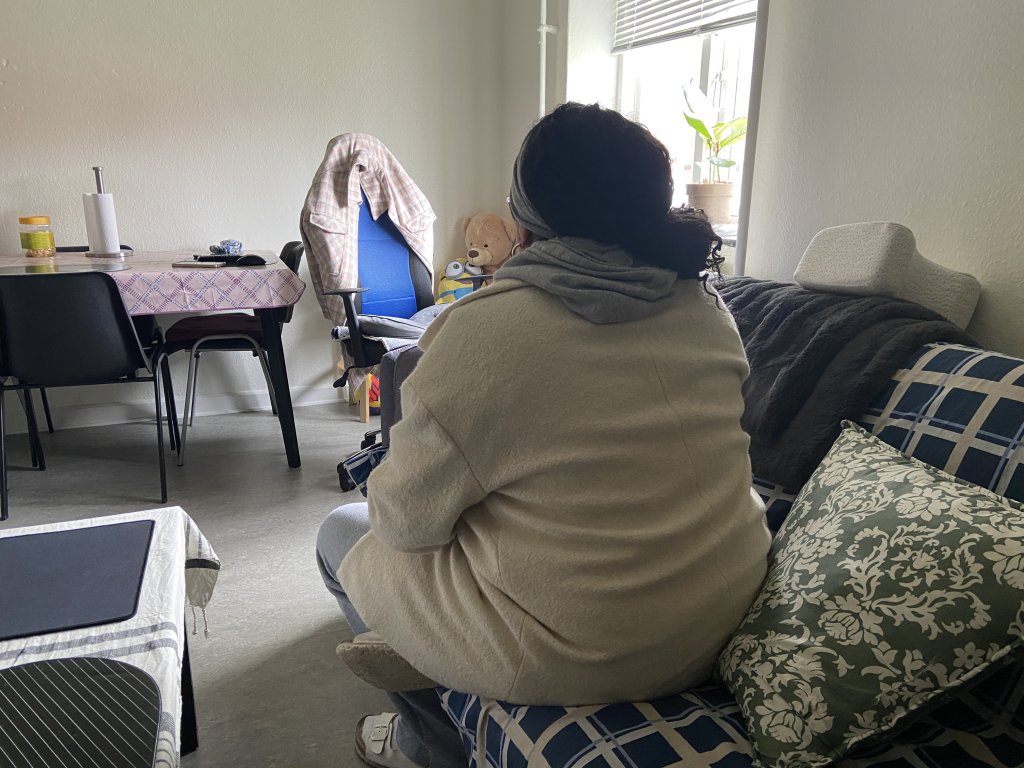
"I need to check in with the immigration services twice a day. I can’t do anything with my life. I’ve lost my family; I’ve lost contact with my friends. I feel distressed and anxious," she said, from a friend’s room.
There are numerous resources for the foreigners stuck in this limbo. The center has its own school and nursery. A café, a clinic, a psychologist, and numerous activities are accessible to adults, who are all deprived of the right to work and to receive any financial assistance from the state. After a few years, children can also move out of the center and attend local schools.
In front of the center’s small school, several bikes are hastily thrown on the ground. The sound of children playing during recess rises from behind the building. School bags and regular school hours give the 20 students at the school and their parents a daily routine, as they wait for a possible deportation.
*name has been changed