
In 2015, some 10,800 Syrians arrived in Denmark fleeing the war in their country. Just over a decade later, according to Danish data, approximately 45,000 Syrians live in the country. The vast majority have settled there permanently, speak Danish, and have jobs. But the tightening of Danish immigration policies is threatening to undermine their integration efforts.
In the multipurpose room of the Nørrebro district library in central Copenhagen, preparations are underway for a celebration. Traditional musicians are finishing their final rehearsal. Levantine appetizers are being laid out on the tables, and tea and coffee are being brewed. On this third day of Eid, which marks the end of Ramadan, the Finjan association (meaning "cup" in Arabic) has invited the city's Syrian community to a concert.
On stage, the singer, accompanied by a violin, a darbuka (small drum), and a guitar, performs some of the most famous pieces of Middle Eastern music. For the occasion, the guests have donned their festive attire, and the room quickly joins in singing the lyrics of these songs that were the soundtrack to their lives in Syria.
Among the tables, 29-year-old Dana Albittar is serving, wearing a long blue dress that matches her jewelry. The young woman can't resist the urge to break into a few dance steps. This Syrian woman from Homs arrived in Denmark just a few days before her 18th birthday, 11 years ago.
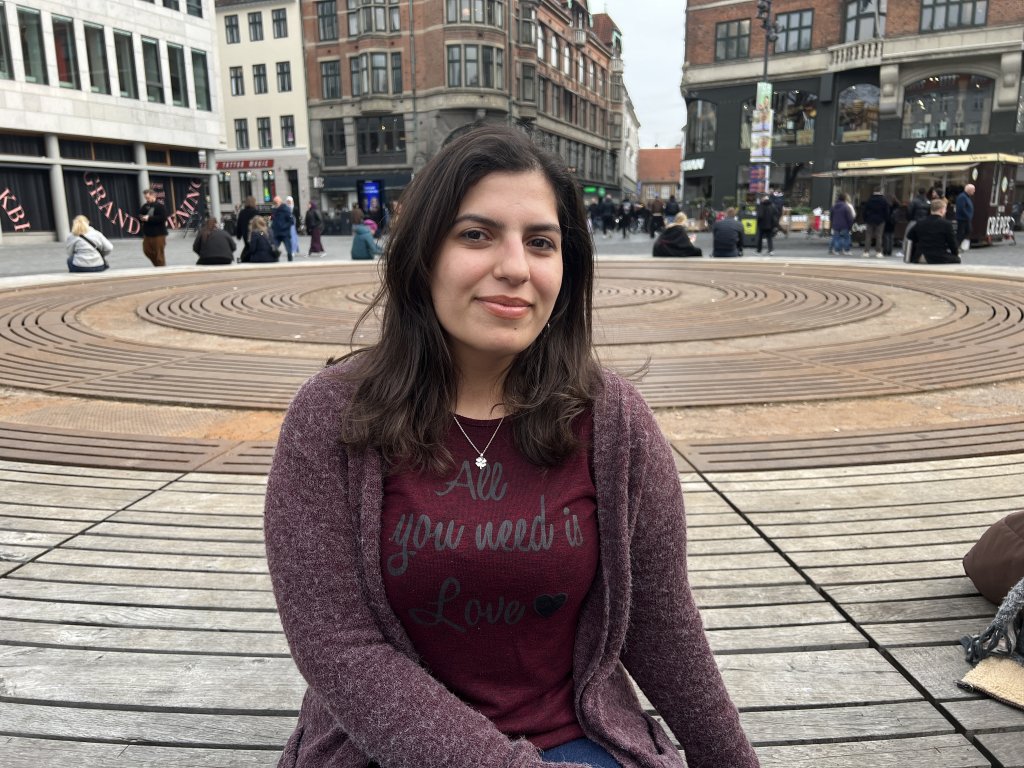
Today, she speaks Danish and is studying culinary arts part-time to become a chef. Yet, she still feels like a foreigner here. Next year, she must renew her residence permit, but says she is very anxious about the possibility of it being refused.
This is because, once they reach adulthood, Syrians who benefited from family reunification as minors have their cases processed individually for the renewal of their residence permits. If the Danish authorities deem that the person will face no harm if returned to Syria, they can refuse to extend it. Although, in practice, this happens very rarely.
"It depends a lot on whether the person's parents themselves had their residence permits renewed in Denmark," Eva Singer, head of the asylum section at the Danish Refugee Council, explained.
"If this person has integrated well in Denmark, this will also be very important when the authorities consider renewing their residence permit, as they will examine the person’s ties to Denmark. Have they learned the language? Do they have a job? Have they completed any training? If so, even if the situation in Syria has changed, the authorities will most likely extend the residence permit," she explained.
Increasingly harsh policies
Since 2019, Social Democratic Prime Minister Mette Frederiksen, under the influence of right-wing and far-right parties, has been steadily tightening her immigration policy, hoping to attract voters who might switch from one political bloc to another. The approximately 45,000 Syrian refugees living in the country are in her sights.
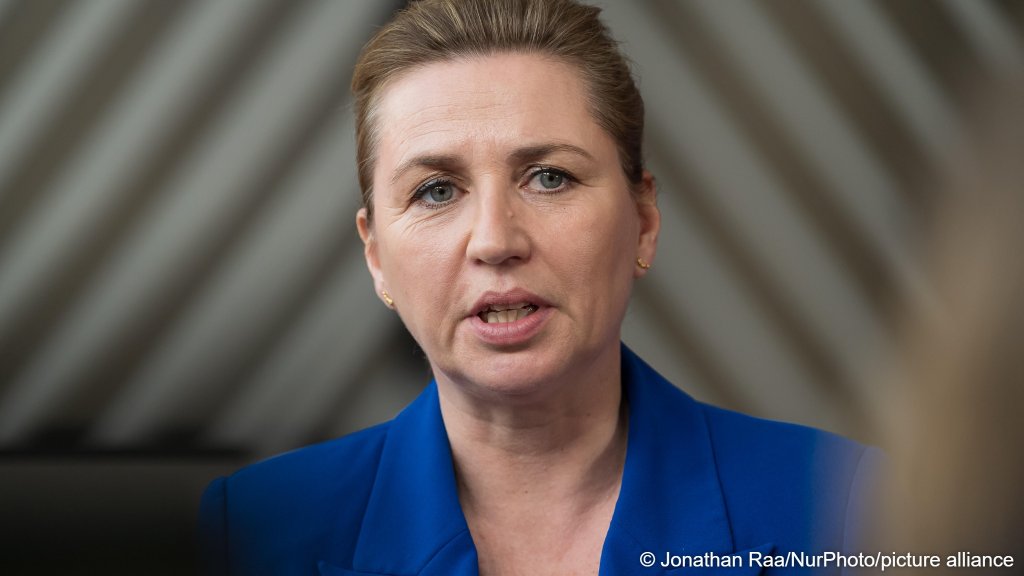
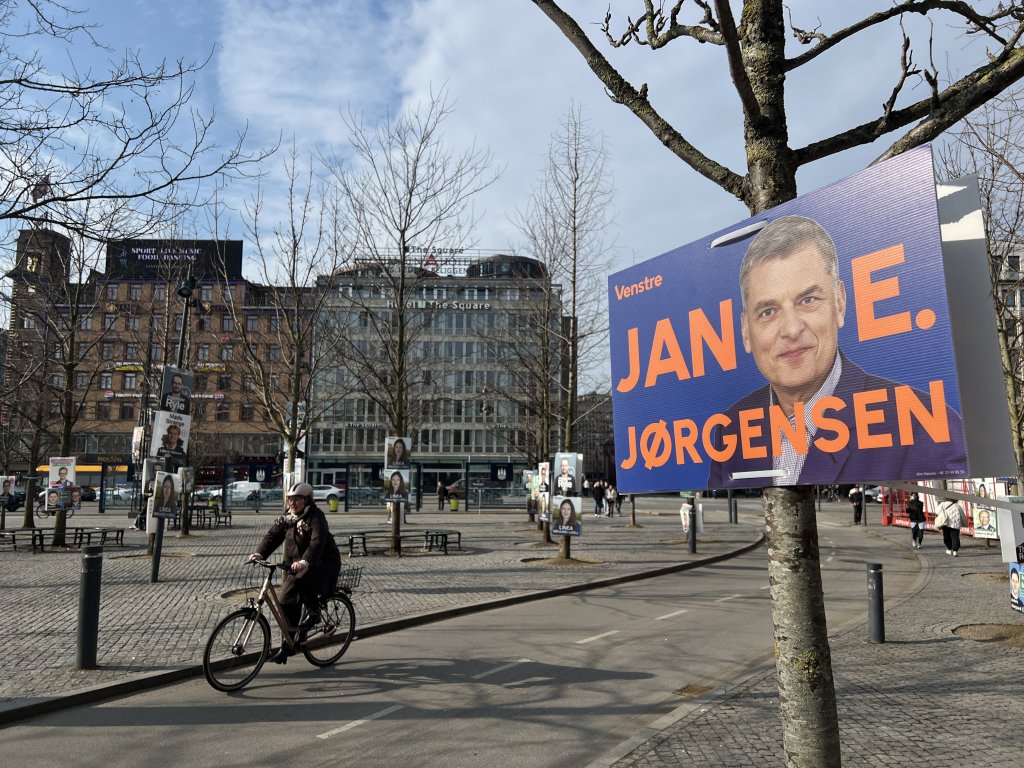
And the results of the parliamentary elections on March 24 are not expected to change this. The outgoing Prime Minister's party won the most votes but has been significantly weakened since 2022 and has lost 12 parliamentary seats. Without a majority, she will have to form a coalition with the center-right Liberals and Moderates.
These alliances risk leading to a further hardening of immigration policies. Denmark is already one of the few countries in Europe that grants only temporary protection. Here, rejected asylum seekers are encouraged to cooperate with Danish authorities and return to their country of origin on their own. Otherwise, they are sent to a deportation center until their departure. Moreover, a foreigner convicted in court is also deported after serving their sentence in Denmark.
'Neither 100 percent Syrian, nor 100 percent Danish'
Dana Albittar arrived in Denmark through family reunification after her mother was granted asylum there. Since her arrival, she has only been granted two-year-long residency permits.
"The Danish authorities claim I could return to Syria, but I'm from Homs. Our house was destroyed; 80 percent of the city was destroyed," she explained.
"Of course, I miss my country. I lived there for 18 years, and I would love to visit, but I can't imagine settling there. [...] I'm caught between two worlds because I can't be 100 percent Syrian, but I'm not 100 percent Danish either," she added.
Michala Bendixen is furious about the increasingly anti-immigration rhetoric of Danish politicians. Twenty years ago, this graphic designer began working on asylum issues and founded the Refugees Welcome association, now a leading provider of legal aid for migrants.
On the eve of the March 24 parliamentary elections, wearing a vest and gray jeans, in front of the enormous bookcase in her Copenhagen apartment, she commented on the increasingly radical, far-right ideas infusing the debate. "The Danish People's Party (Dansk Folkeparti) has always had this strategy of saying something that seems extreme and absurd and isn't even possible, but which constantly pushes the boundaries of what is considered normal," she emphasized.
"They've really found the refugees' weak point, which is keeping them constantly in this state of stress where they don't know what their future holds [...] For people who have already lost everything and had to rebuild everything, it's impossible to accept that they'll have to start all over again," she said, indignantly.
Denial of democracy
Many Syrian refugees in Denmark no longer have any family in Syria. For them, their future lies in Denmark. But the recurrent changes to the law regarding the conditions for obtaining a permanent residence permit are making the possibility of settling permanently increasingly difficult.
"When I arrived, it was possible to obtain a permanent residence permit by studying here. But that has changed, and now you have to have worked full-time for at least three and a half years after finishing your studies to be eligible," Agob Yaqoub of the Finjan association, who studied before becoming a social worker, explained.
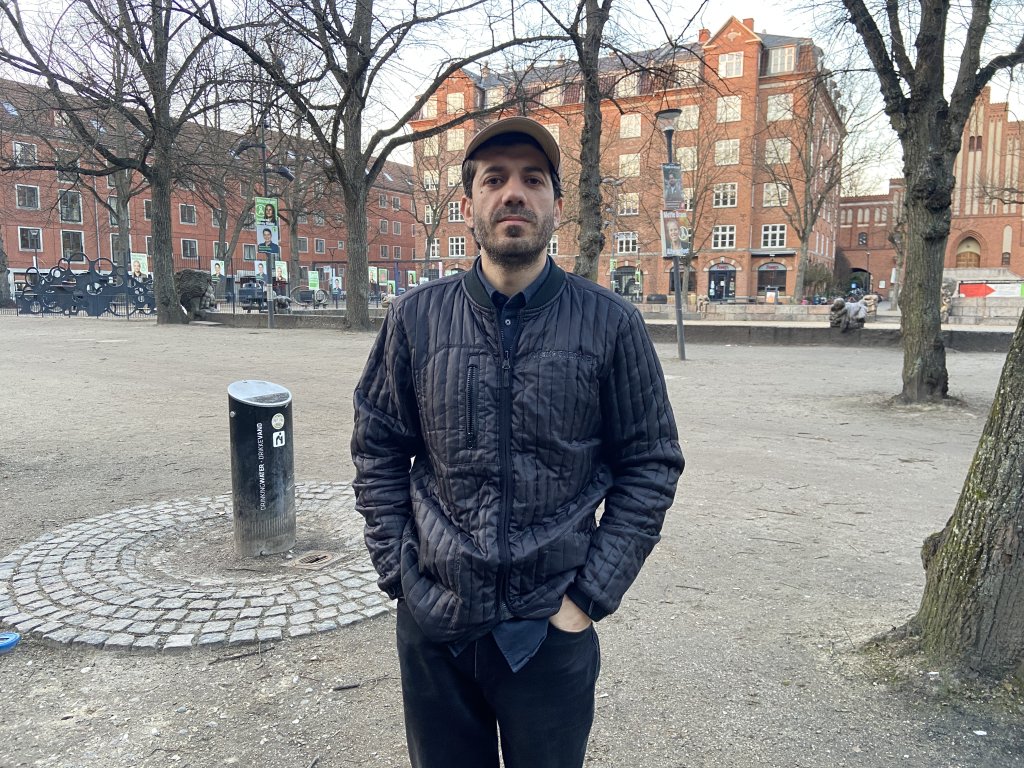
In addition to this, there are many other criteria for obtaining permanent residency. "You must have lived in Denmark for at least eight years, have a certain level of Danish, and have no debts or criminal convictions," Eva Singer of the Danish Refugee Council explains.
These criteria effectively exclude a number of refugees, particularly those with limited literacy. Without obtaining this permanent residency permit, it is impossible to one day acquire Danish citizenship and therefore to vote in national elections.
"We are clearly facing a democratic problem because a growing segment of the population cannot vote in elections. These are people who will remain in Denmark, who live there, work there, and pay taxes. But they have no political influence," Eva Singer lamented.
Assem Sweid, the founder of Finjan, once considered entering Danish politics. "I wanted to be useful to Danish society. For years I felt 50 percent Syrian, 50 percent Danish. But in the end, I gave it all up because I know I’ll never truly be accepted by this society," he confided, sitting in a café in downtown Copenhagen.
Today, he focuses his efforts on supporting reconstruction projects for Syrian civil society. He says he has great difficulty mobilizing the Syrian community in Copenhagen for this cause. For many, that chapter is definitively closed.