
Belgium and Algeria have signed two linked agreements aimed at speeding up the return of Algerian nationals irregularly staying in Belgium while easing visa requirements for holders of Algerian diplomatic and service passports.
Belgium and Algeria have signed two closely linked agreements, marking a shift in Brussels' approach to migration management, diplomatic relations, and prison overcrowding. Belgian Foreign Minister Maxime Prévot, Algerian Foreign Minister Ahmed Attaf, and Belgian Asylum and Migration Minister Anneleen Van Bossuyt announced the package, which combines a readmission deal for Algerian nationals staying irregularly in Belgium with a visa exemption for holders of Algerian diplomatic and service passports.
Belgian ministers presented the arrangement as a long-awaited development. Van Bossuyt described the readmission accord as "historic," saying it had been awaited for nearly 20 years, while Prévot said the two texts formed part of a broader effort to rebuild momentum in bilateral ties after his visit to Algiers in July 2025. On the Algerian side, Attaf said the agreements were part of a wider effort to strengthen the legal framework for cooperation between the two countries.
Read AlsoAlgeria: IOM signs partnership with government expanding voluntary return partnership
Faster returns
At the center of the package is the readmission agreement, which is intended to make returns to Algeria faster and easier to carry out in practice. According to the Belgian government, one of the main obstacles until now has been the time needed to confirm whether a person is in fact an Algerian national. Under the new arrangement, that identification period is expected to fall from several months to around 15 days.
The agreement also addresses another practical problem that has often undermined removals: the short validity of return documents. Belgian authorities said the "laissez-passer" document used for removals had previously been valid for only 24 hours, which made returns difficult to execute if there were delays, resistance, or logistical complications. Under the new system, the travel document will remain valid for 30 days, giving the authorities a larger operational window.

Several other provisions are designed to make returns more efficient. Belgium said it will now be able to return several people on the same flight rather than organizing removals one by one, and those flights will not need to be direct. The agreement also allows Belgium to rely on Algerian escorts during forced returns, reducing the burden on the Belgian federal police.
Read AlsoBelgium Court suspends two measures on newly tightened asylum rules
Political pressure
The agreement comes as Belgium faces pressure to increase effective returns. Belgian authorities said that in 2025, 2,251 people claiming Algerian nationality were issued a return order, but only 85 were actually returned, whether voluntarily or by force.
The prison dimension is also significant. According to figures cited by the government, 780 people holding Algerian nationality are currently in Belgian prisons, including around 700 who do not have legal residence status. Belgium has also reported that Algerians were among the main national groups subjected to forced return from prison in 2024, alongside Albanians and Moroccans.

In that context, the agreement is also being presented by Belgian officials as part of a broader effort to reduce pressure on an overstretched prison system. Van Bossuyt said the readmission agreement would help address irregular migration while also reducing pressure on prisons and improving public safety.
It is important, however, to distinguish the new deal from a prisoner-transfer treaty. The agreement announced this week is a readmission agreement, not a standalone arrangement on prisoner transfers. In practice, however, it could make it easier to remove Algerian nationals from Belgium after detention or at the end of a sentence, which helps explain why Belgian officials have linked it to overcrowding and public safety.
Belgium’s prison system has been under strain. By early 2025, more than 13,000 inmates were being held in facilities designed for roughly 11,000, with overcrowding so severe that three prisoners were sometimes housed in cells of just nine square meters. Foreign nationals account for about 43 percent of the prison population, although only around 31 percent of all detainees, or roughly 4,500 people, are believed to have no legal right to reside in Belgium. In that context, 1,261 forced returns were carried out from Belgian prisons in 2024.
Read AlsoBelgium links prison-overcrowding plan to wider migration strategy
Rights concerns
The agreements were announced against a broader backdrop of concerns raised by international rights organizations about Algeria’s human rights record. These concerns have included reported restrictions on freedom of expression, assembly, association, and movement, as well as the prosecution of activists, journalists, and lawyers under criminal and anti-terrorism provisions.
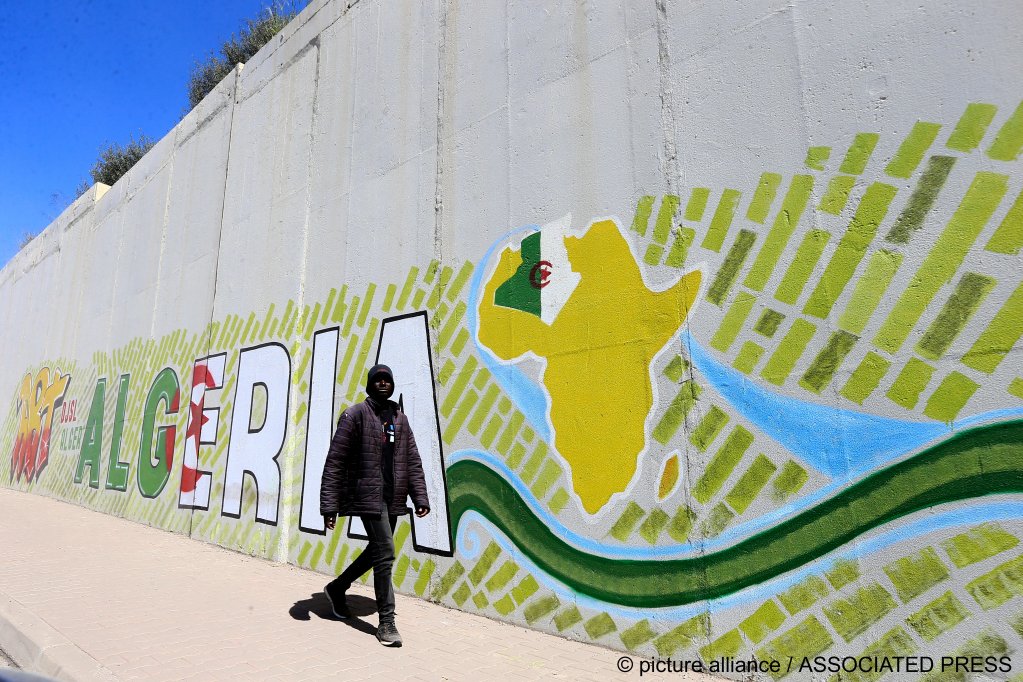
Concerns have also been raised about freedom of the media, particularly in the context of President Abdelmadjid Tebboune’s re-election in September 2024. At the same time, Algeria has faced criticism over its treatment of sub-Saharan African migrants, amid reports of racist incitement, arbitrary arrests, collective expulsions, and desert pushbacks to Niger without due process, including involving women and children.
In the context of the new agreement, those concerns are likely to increase attention on whether Belgium can carry out deportations while still meeting its obligations to assess individual risk, guarantee due process, and avoid returning anyone to a situation where they may face persecution, arbitrary detention, ill-treatment, or other serious rights violations.
Read Also'Record' numbers of migrant deaths along Algerian-Moroccan border in late 2025
A quid pro quo
The second agreement grants a visa exemption for Algerian holders of diplomatic and service passports, easing official travel for certain state representatives. Belgian officials said the two deals are linked. Van Bossuyt said that, in exchange for the visa waiver for diplomatic and service passports, Belgium expects more efficient returns, and that a failure by either side to meet its commitments could have consequences for the other agreement.
Earlier this year, Van Bossuyt said cooperation with third countries should be tied to incentives such as visa policy and support measures, with return cooperation treated as a key benchmark. In that context, the agreement with Algeria reflects a broader Belgian effort to link migration cooperation with other areas of bilateral relations.

The deal also comes in a wider diplomatic and economic context. During the Brussels meeting, Belgian officials highlighted Algeria's role in energy and trade, pointing to possible partnerships in hydrogen, renewable energy, and critical raw materials.
According to Belgian media reports, the visit also referred to annual bilateral trade of around 1.7 billion euros and to cooperation involving Algerian energy firm Sonatrach and the Belgian engineering group John Cockerill in hydrogen. That suggests the talks extended beyond migration alone.
This is not the first agreement of its kind. Belgium has also been pursuing similar return arrangements with other countries of origin, including planned negotiations with the Democratic Republic of Congo and Turkey, as part of a broader effort to increase effective returns. Bilateral or informal readmission deals with African states have become increasingly common across Europe, as governments seek faster cooperation on identification, travel documents, and deportations outside slower EU-level frameworks.
Read Also
Belgium plans visits to Turkey and DRC to negotiate migrant return agreements
Political symbolism
Algerian media noted that the visa exemption agreement with Belgium came only months after Algiers had denounced a similar arrangement with France during a period of diplomatic tension. The comparison has drawn attention to how Algeria is handling visa facilitation with different European partners.
For now, however, the agreements still need parliamentary approval before they can fully enter into force. Their practical impact will depend on implementation, including whether Algeria consistently confirms nationality within the promised time frame, whether travel documents are issued and honored smoothly, and whether Belgium can translate the procedural changes into a meaningful increase in returns.
Read AlsoBelgium tightens migration rules amid worker shortage
With Belga News Agency