
Yekta Jamali was 17 when she became the first female weightlifter to win a medal for Iran. It was also then that she decided to flee and seek asylum in Germany. She's already competed for the Olympic Refugee team, now she is set to represent Germany for the first time at the European Championships in Georgia, just months after receiving German citizenship.
German-Iranian weightlifter Yekta Jamali will compete in the European Championships in Georgia, scheduled to begin on April 19. Jamali, who lives and trains in Baden-Württemberg, southwest Germany, will represent the black, red, and gold colors for the first time in a major competition since she sought asylum in 2022.
Jamali got her German citizenship card on February 4 this year. This is also the first step towards training for, and hopefully qualifying for the 2028 Olympics in Los Angeles, notes German public broadcaster SWR.
"I am so happy [to be representing Germany]," smiles Jamali, "we worked really hard for me to be able to get to this place and train in Germany." She admits though that she has found learning German grammar "difficult." At first, she was forced to communicate using gestures with her training team, but over the last few years, she is able to communicate fine in German too, reports SWR.
Jamali was 17 when she became the first female weightlifter to win a medal for Iran at the World Junior Weightlifting Championship in Greece four years ago. Jamali had won the silver medal in the snatch and finished fourth overall in the competition.
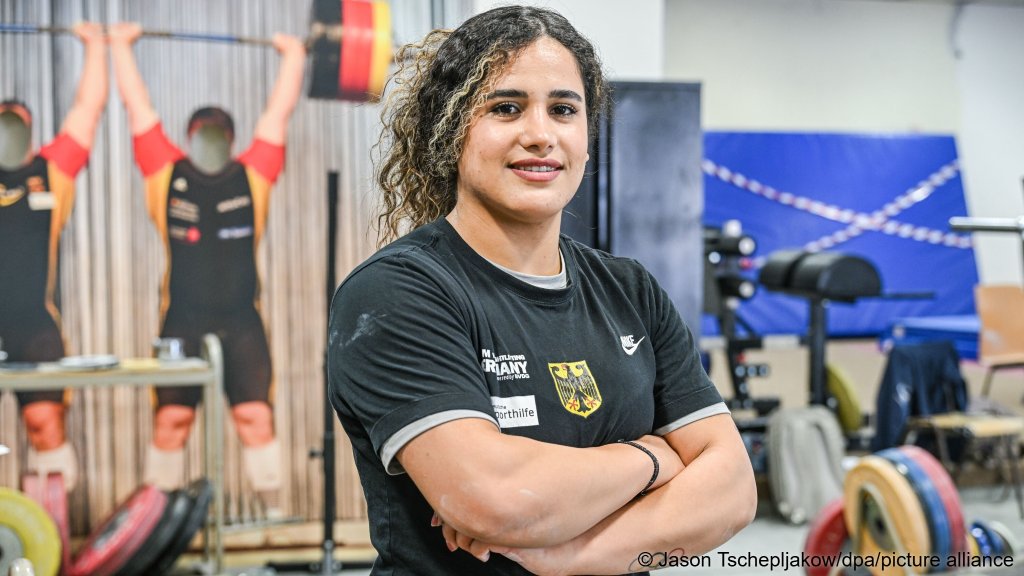
It was also at 17 that Jamali decided to flee.
Local news reports cite that Jamali slipped away from the hotel the Iranian delegation was staying at on the Greek island of Crete to seek safety and a future in sports abroad. Recently, she told SWR, "I decided I couldn't go back to Iran. The situation for women was really difficult and particularly for female weightlifters."
Jamali’s story as an athlete, an asylum seeker, and a woman highlights a different, less visible side of migration where structured support systems help refugees rebuild their lives.
Seeking asylum
Like many athletes in Iran, Jamali faced significant restrictions from limited training opportunities to broader inequalities in funding and support compared to male counterparts. Women’s weightlifting has only been officially permitted in Iran since 2018, and even then under tight constraints.
Local news reports cite that at least 30 Iranian athletes in recent years have defected from Iranian national teams and sought asylum in other countries.
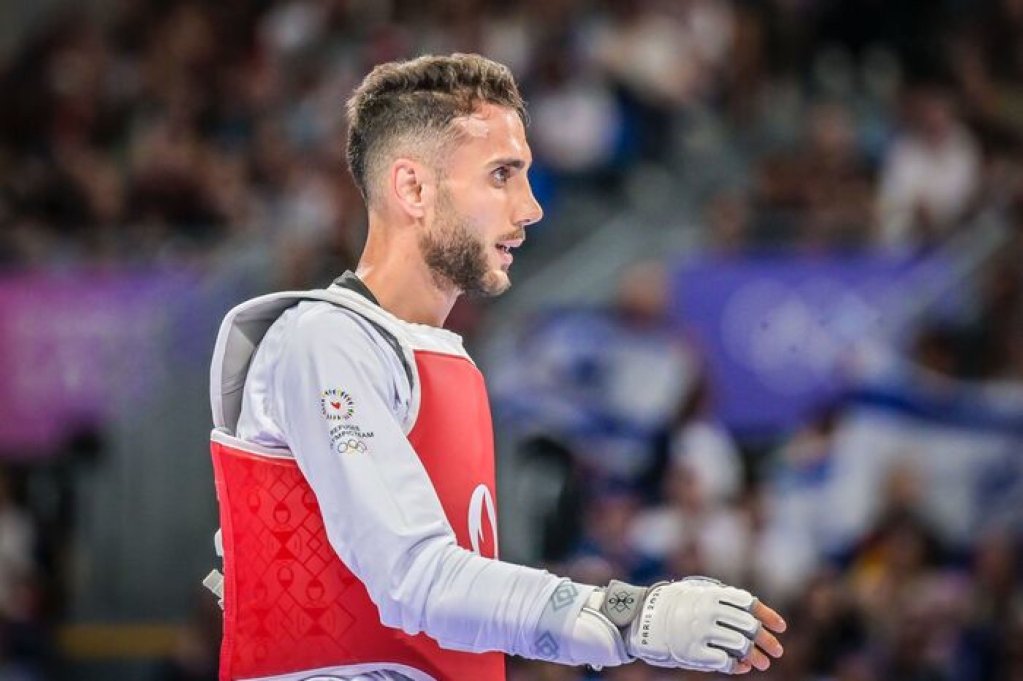
Hadi Tiranvalipour, a taekwondo champion, fled Iran and sought asylum in Italy. In 2023, he became part of the Italian Taekwondo Federation and was able to compete as part of the Refugee Olympic team in the Olympics in Paris in 2024.
Read AlsoIranian athlete granted refuge in Italy: 'We athletes will be the voice of the people'
Champion athlete
After arriving in Germany, Jamali was granted asylum and found support through sports institutions, local clubs, and international federations. This enabled her to continue competing at an elite level, including being part of the Refugee Olympic Team for the 2024 Summer Olympics, competing in the women's 81 kilogram weightlifting competition as the only female weightlifter in the Refugee Olympic Team.
In Paris, just two years after she left everything behind to start anew, Jamali competed on the world stage and finished ninth. Having recently been granted German citizenship, Jamali is preparing for her next major competition in Georgia.
She SWR a few days ago though that even while busy with intensive training she "feared" for her family that remains in Iran. "Normally I am a smiley, happy person, but at the moment, I often feel sad and sometimes cry," Jamali admitted, when asked about the situation at the moment facing people in the country of her birth.
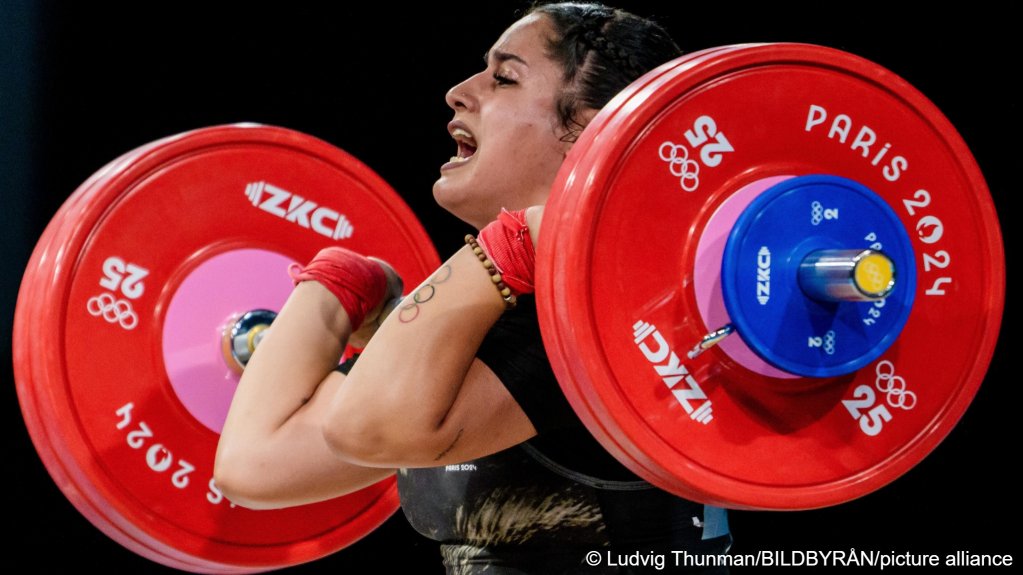
Jamali had once written on top of her Instagram page, "History will remember everything you do." The European Championships will mark one of her first appearances in a major international event since the 2024 Olympics, and another page in Jamali's own story.
Jamali told SWR that training helps distract her from what is going on in the world. And keeping strong is important to her for her sport. Distractions are not possible with the kinds of goals she has in mind. Although she misses her family, she doesn't intend to return to Iran, even if the country might in the future be under a different government.
"I can't imagine returning to Iran for good. I am now German and I want to plan my future here. I feel good here."
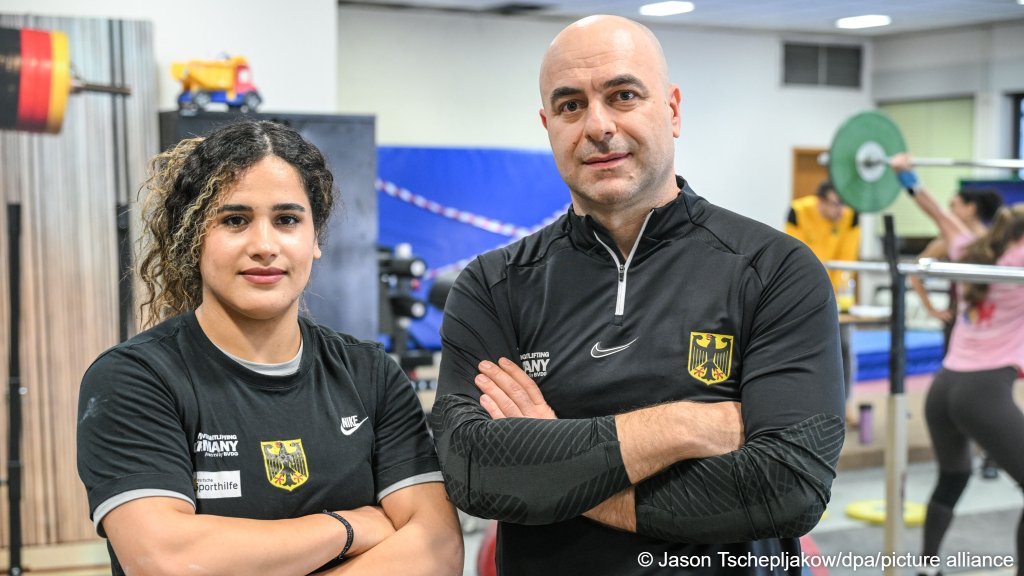
Her trainer, German national coach Almir Velagic sees a bright future for her. He is not just looking at the next Olympic games in 2028 but those that come after in 2032. "She will be at the perfect age for a weightlifter at that point. If she keeps developing as she is now, and stays healthy, then we can really expect a lot from her," thinks Velagic.
Read Also Fleeing Iranians speak of violent repression at the Turkish border