
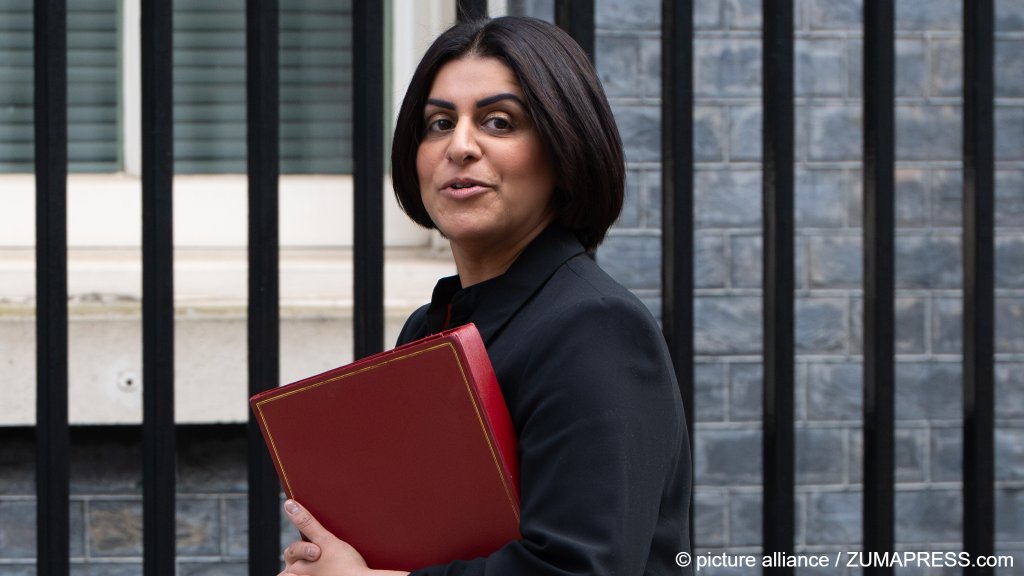
Late on Tuesday (March 31), just hours before it was due to come to an end, the deal between the British and French governments to manage migration in the Channel was extended for two months. The extension, reported British newspapers, came as talks had stalled. The French side is understood to reject British demands to deliver better results. British Home Secretary Shabana Mahmood is now believed to personally be involved in trying to salvage the deal.*
A spokesperson for the British Home Office (Interior Ministry) reportedly told the Independent newspaper that the extension was needed to "drive a hard bargain," through and get "more bang for our buck."
The newspaper continued to report that it was seeking to insert "performance related clauses" into the deal, that would link the funding package to the proportion of migrant boats intercepted by the French authorities.*
Under the original 2023 arrangement, the UK agreed to provide funds to the tune of the equivalent of around 540 million euros to France to patrol its northern beaches more tightly and to prevent migrant boat departures over the course of three years.
The deal resulted in mixed reviews but was apparently successful enough for the UK to strongly consider renewing — even though it had originally been reached under the previous Conservative Party government, which had a different overall approach to migration management.
Last week, the current Labour government went as far as referring to the agreement as "long-term value for money" as it sought to renew the deal.
Read AlsoBritain seeks to renew 2023 migrant deal with France
Different standards on either side of English Channel
In the first half of Tuesday, this renewal was looking increasingly unlikely, with Britain asking for additional deliverables to which France seems reluctant to agree; these include a demand for more interceptions at sea and a more hands-on approach by French officials during all their interventions.
France, however, says that in the name of safety of would-be migrants, they cannot allow their officials to have any more powers — such as physically getting involved and stopping active migrant smuggling operations on their shores.
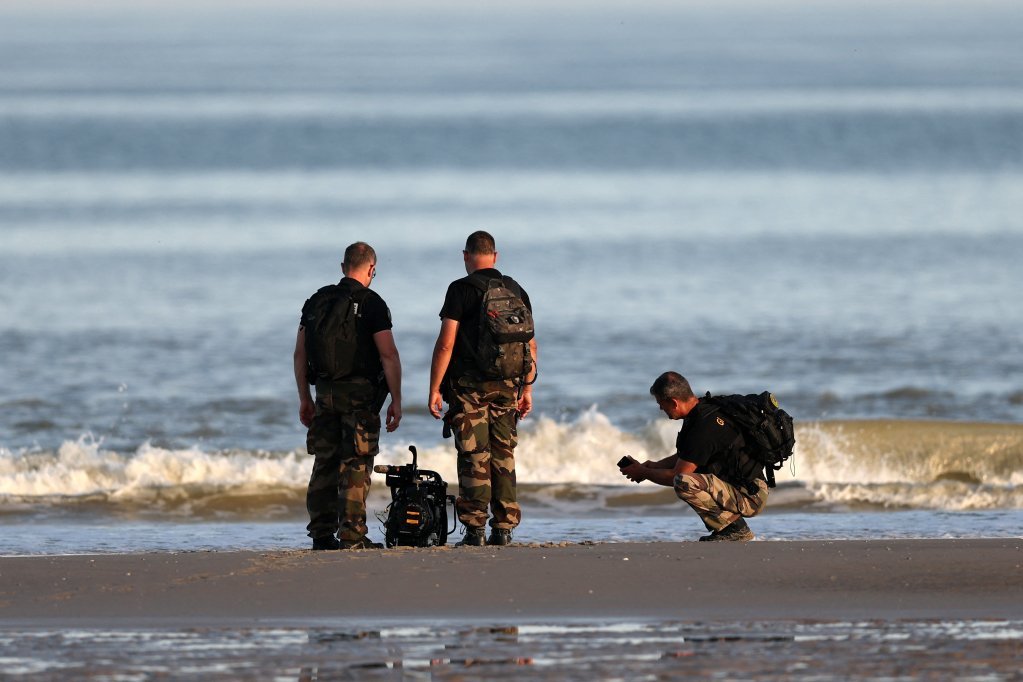
UK officials have in particular expressed a frustration with legal impediments in French law which obstruct officials from intervening in so-called "taxi-boat" scenarios, where smugglers pick migrants up from shallow waters off the French coast and transport them to rubber boats and dinghies waiting further away from the coastline.
To date, the French side has instead rather focused on stopping such crossings of the English Channel from happening in the first place — mainly while people are still on French soil and not in the waters of the English Channel; their maneuvres have included the confiscation and destruction of materials to be used by smugglers, including dinghies, and the disruption of migrant camps. Making it more difficult for them to wait around until such a time the smugglers have arranged a passage for them.
Read AlsoFrance intercepts 'taxi-boat' in first on-water operation to reduce Channel crossings
UK Home Secretary Mahmood tries to charm France
Xavier Ducept, France's junior minister for the sea, said in front of a French parliamentary commission last week that Britain was making excessive demands by asking France to grant additional powers to border patrol officials:
"What we want is for … the British to contribute to funding interception systems, which are very expensive. But they must not make this funding conditional on a type of efficiency that could be extremely dangerous for migrants, for the [security] services, and for France," he told the commission, adding: "Rescue comes first. And the law."
The French daily newspaper Le Monde meanwhile quoted a source in the French interior ministry who reportedly indictated that the negotiations had failed, and that the matter had now been deferred to the ministerial level.
British Home Secretary Shabana Mahmood is believed to now personally be involved in trying to salvage the deal at the eleventh hour.
Read Also'We are there to act': Aboard a French ship rescuing migrants in the English Channel
Britain: between a rock and a hard place
In recent months, Britain and France have increasingly been at odds over how irregular migrant crossings of the English Channel should be handled.
Since "Brexit" — Britain's departure from the European Union — in 2020, the UK has had to seek direct partnerships with European countries to help mitigate the effects of migration, as it is no longer covered by EU-wide mechanisms, like for instance the Dublin regulation. This regulation allows EU member states to send a migrant back to the first country of entry in the bloc, a mechanism the UK used to take full advantage of prior to Brexit.
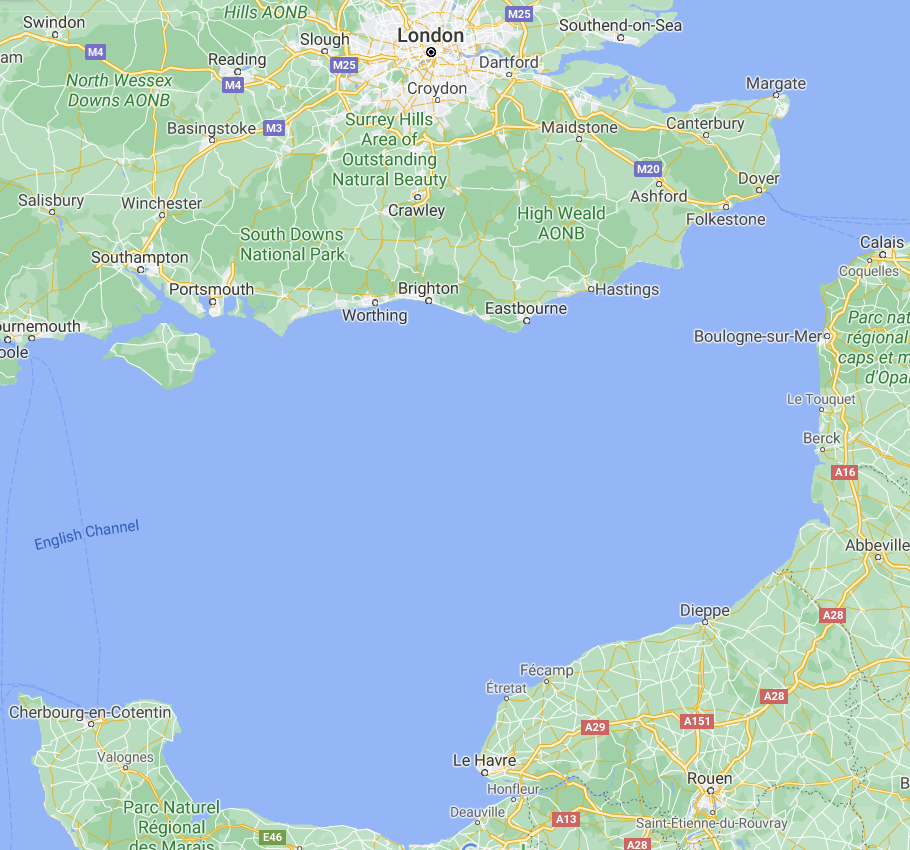
France has emerged as the UK's main go-to partner in this context, as the vast majority of small boat journeys to Britain originate from the country's north coast.
However, according to newspaper reports, Britain seems unsatisfied with the way in which French authorities handle the large sums paid to Paris to stop migrants; nearly two-thirds of the total current budget to control France's shores are directly financed by the UK.
However, French authorities only manage to intercept roughly a third of all attempted crossings, which — despite having had the additional funds for the past three years — actually marks a fall in its success rate; in 2023, French officials still managed to stop about 50 percent of all irregular departures.
Read AlsoYacht 'VIP' migrant smuggling service across Channel dismantled as two men jailed
The Labour government says it therefore wants its French partners to adjust its methods in order to report higher success rates by interfering more directly in migrant hotspots in the country's north such as Calais, Dunkirk, Gravelines and Boulogne-sur-Mer.
But French law prohibits border officials and police from getting physically involved whenever other life-endangering factors might be at play — such as the waters of the Channel.
Furthermore, the success rate that the UK ultimately seeks — a disruption rate of about 80 percent of all irregular migrant departures — appears to be well out of reach within the current context; the Home Office believes that this magnitude of interceptions would eventually break the business model of migrant smugglers, if it could be achieved.
*This article and its title was updated on Tuesday (March 31) in the evening, to reflect news that as talks between the two sides had "stalled", the current agreement would be extended for two months, in the hope this would allow both countries to reach a new deal.