
This is the tale of a Syrian father who embarked on a dangerous migration journey to Cyprus with his son — to save his life. Yahia Aldarwish was only eight when his kidneys started to fail. His prognosis looked dim at first; but his father was committed to do whatever it took to save his son's life.
Many people who choose to leave their home country do so reluctantly and under pressure. They might suffer persecution, face difficult economic prospects, or be trying to escape war and conflict.
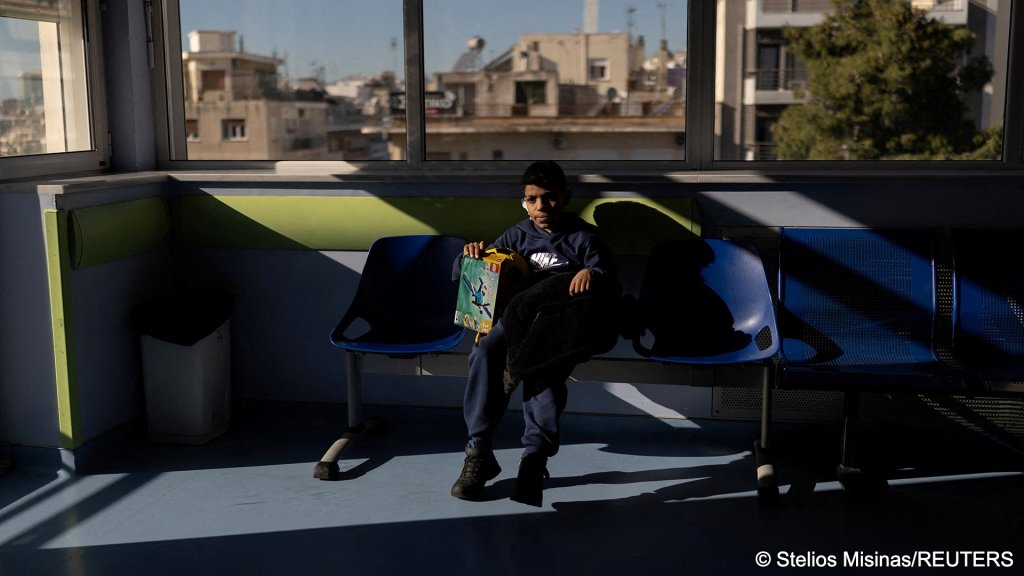
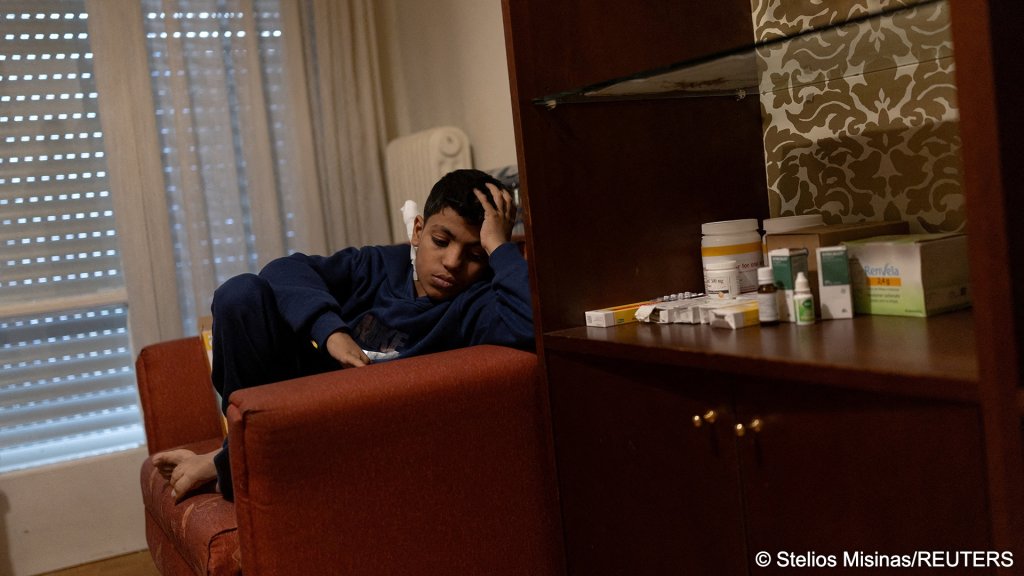
In the case of Yahia Aldarwish, whose parents are originally from Syria, the eight-year-old's kidneys were failing, and there was little that Lebanon's healthcare system could offer to save the boy's life.
With dialysis costing the equivalent of 1,200 euros per month — four times the average monthly salary in Lebanon — and with the country's hospitals teetering on the verge of collapse for years, his father, Abdulaziz, only saw one solution:
He had to board a migrant boat with Yahia heading to Cyprus, in the hope of finding better medical treatment there.
Starting anew in Lebanon
Abdulaziz Aldarwish was no stranger to migration: The Syrian national had come to work in Lebanon in the midst of the civil war in his country.
There, he started working in construction, making barely enough money for his large family to get by.
With great difficulty, he managed to save up some money, borrowed also and received a bit of help from family to pay smugglers the 5,000 euros needed for him and his son Yahia to cross the Mediterranean to Cyprus in early 2024, he explained to the Reuters news agency.
The rest of his family — his wife and their eight other children — stayed behind in a small village in Syria, located close to the Lebanese border.
Read AlsoGerman development minister in Syria to talk healthcare aid
Drifting in the Mediterranean for a week
It would take two full years for father and son to achieve their goal, and for Yahia to ultimately bounce back completely.
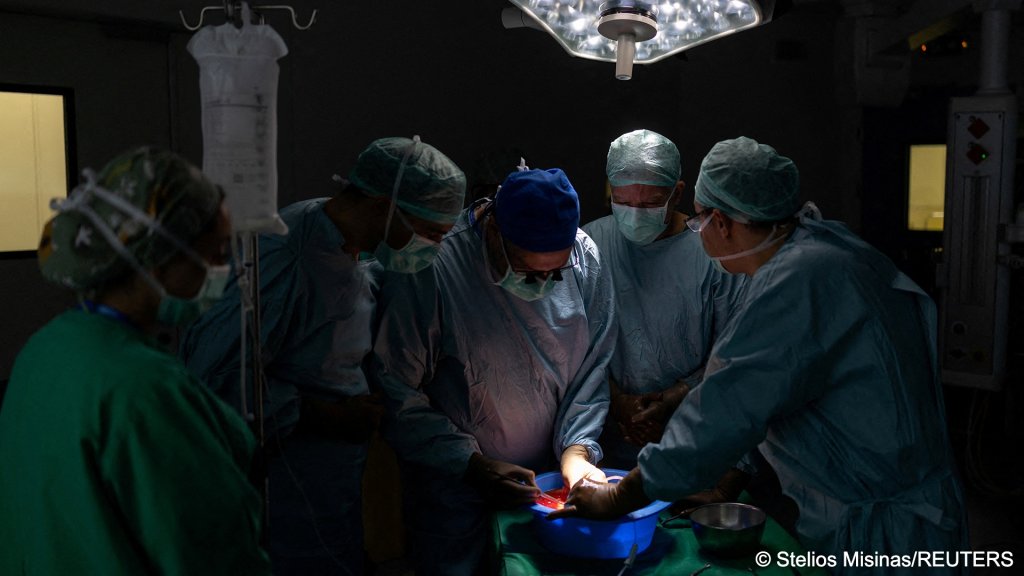
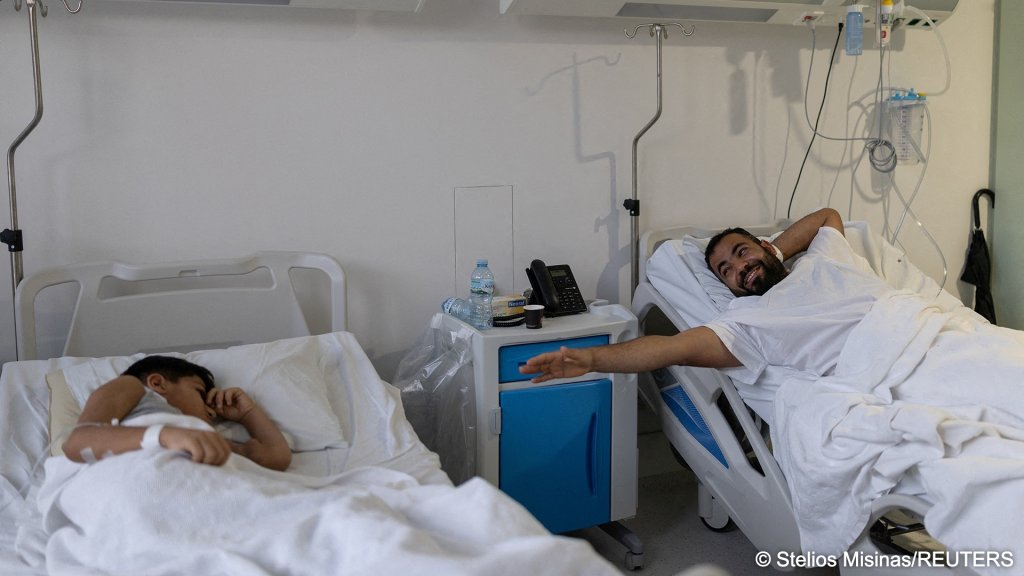
At the Onassis National Transplant Center in Athens Greece, his father Abdulaziz eventually became his kidney donor in January 2026; Yahia was actually one of the first young children to receive treatment at the newly-established medical facility.
For Abdulaziz Aldarwish, the uncertainties associated with the operation were nothing compared to their journey across the sea: "I had to take a risk: either things work out, I get him treated ... or that's it, we both die."
Abdulaziz recalls that perilous journey in detail: The only provisions they had taken along on that fateful day in 2024 was water and some dates, he told Reuters, adding that Yahia had just received a round of dialysis enough to see him through the journey, which was meant to last a mere couple of hours.
But then they hit rough seas, resulting in the small vessel remaining adrift in open water for a whole week; its passengers had to survive on rainwater for days, as Yahia's health started to deteriorate.
A merchant vessel eventually came across the group of migrants, saving everyone and getting Yahia on track for receiving emergency treatment.
"I didn't expect my son to endure something like this," Aldarwish said. "It was a miracle, In the end, death was not our fate."
Read AlsoSyrian doctors leave Germany to work for free at home
'A bridge of life for a child'
It would still take a while for father and son to reach their ultimate goal; Cyprus — being a small country — had no transplant clinic of its own but had close cooperation agreements with Greece.
However, Greece had suspended transplants for low-weight children like Yahia, and was only due to resume over a year later in 2025.
Yahia had to continue receiving dialysis until a transplant would be feasible, while Greek and Cypriot authorities worked tirelessly in the background to make this dream happen.
Smaragdi Marinaki, the head of the nephrology department at Athens' Laiko Hospital, which participated in the process, told Reuters that a "whole bridge of life was built for this child."
Read Also'I need to stay strong for my son': Syrian families search for their loved ones in Libya
Looking to the future
Eventually on January 22, the pair were flown to Athens, where doctors from three different hospitals carried out the major surgery that lasted hours.
As Yahia now continues to recover, he looks forward to rejoining his classmates and returning to a normal life as a child; he is now 10 years old, and has earned the nickname "sweet tooth" around his doctors for his immense love of chocolate.
Yahia even dreams of opening his own supermarket one day, where he can enjoy an unfettered supply of his favorite sweets.
His journey, says Marikani, shows that "transplantation transcends every barrier: borders and countries, races and religions."
This story was adapted from a feature by Reuters by Stelios Misinas and Renee Maltezou