
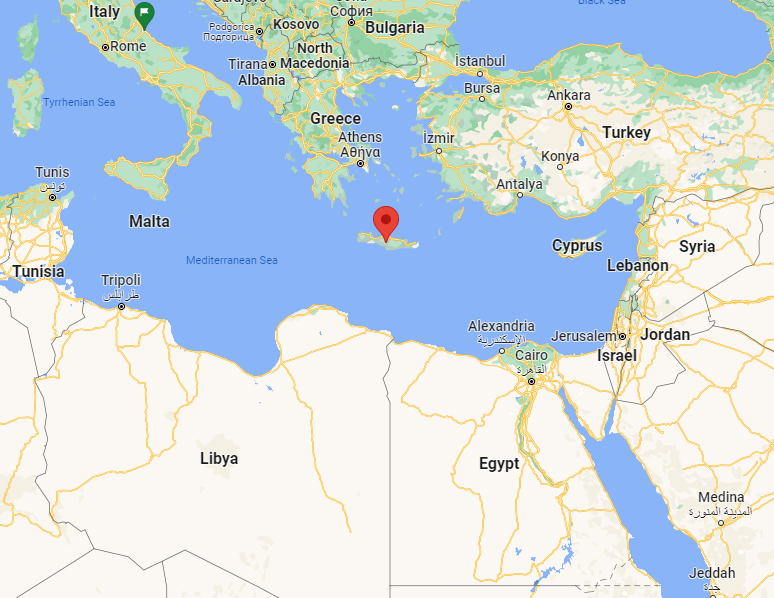
At least 22 migrants are believed to have died on their journey to Greece last week. Their small vessel was found near the coast of the Greek island of Crete overnight on March 27. The rubber boat had reportedly set sail from Tobruk in eastern Libya on March 21.
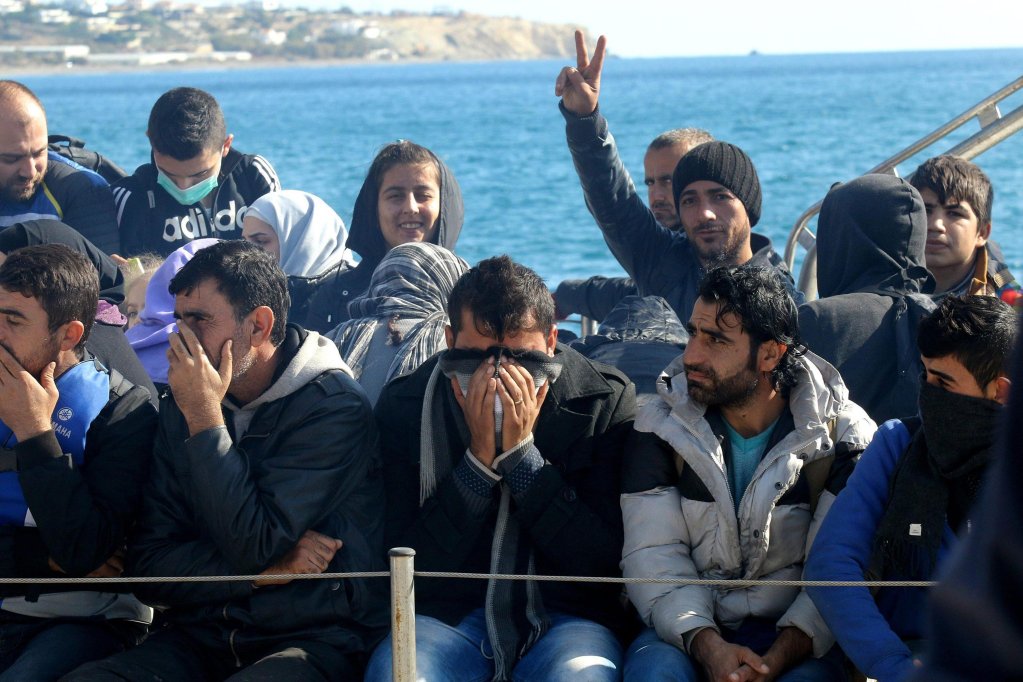
The Greek coastguard announced that a Frontex vessel in Greek waters had managed to save the lives of 26 people onboard the small boat, including a woman and a minor, which was discovered nearly 100 kilometers south of Crete on Friday night.
Two of the survivors had to be taken to hospital in Crete to receive medical treatment.
According to Greek officials, the survivors included 21 Bangladeshi nationals, four individuals from South Sudan and one Chadian citizen.
Survivors told authorities that two of the surviving South Sudanese nationals, aged 19 and 22, are alleged to be the smugglers behind the operation; the two men have been taken into custody on charges of "illegal entry into the country" and "negligent homicide."
Read AlsoTobruk-to-Crete migrant crossings intensify as Greece enforces strict sea patrols
Dead bodies tossed into the sea
The Greek coastguard told the AFP news agency that the rubber boat had apparently endured "unfavorable meteorological conditions" during the journey.
"During the journey, the passengers lost their bearings and remained at sea for six days without food or water," the coastguard added in a statement.
Coupled with the inclement weather conditions, 22 of the migrants reportedly died en route mainly "through exhaustion," the coastguard spokesman speaking to AFP highlighted.
Read AlsoCrete and Gavdos among Greek Islands with highest migrant sea arrivals
Survivors reportedly identified the two South Sudanese nationals taken into custody as the traffickers in charge of the operation; they also told authorities that the bodies of those who had died along the journey "were thrown into the sea on the orders of one of the smugglers," according to an official statement.
Smuggling gangs are known to frequently equip migrant boats with only enough petrol to reach Greek waters, expecting coastguard vessels or private rescue crews to pick them up.
Many, however, are simply left to die.
Read AlsoGreece: Increase in arrivals to Crete in 2025 and new hosting centers planned
Europe getting serious on curbing irregular entries
According to the International Organization for Migration (IOM), 559 migrants died in the Mediterranean Sea in the first two months of 2026 — nearly twice the number for the same period last year.
The actual number of boat deaths in the Mediterranean is assumed to be significantly higher than the officially recorded number.
"These tragedies highlight once more the urgency to intensify the work with partner countries along the migratory routes and redouble efforts in the fight against migrant smugglers, who are the ones responsible for these tragedies," an EU commission spokesperson said on Saturday in response to this latest tragedy at sea.
The statement comes after the European Parliament voted in favor of tightening the EU's migration policy last week, approving the concept of establishing "return hubs" outside the bloc, where migrants would be taken to have their asylum applications processed.
Human rights groups however have labeled the intended practice as potentially inhumane.
Read AlsoGreece champions migrant 'return hubs' in third countries
Meanwhile, Greece has also toughened its stance on migrants over the past year, introducing a number of new laws to reinforce border checks and sea patrols while significantly increasing fines and prison sentences for those who help irregular migrants reach Greek shores.
Furthermore, Greece has also tightened its asylum laws, making it more difficult for people to qualify for protection and threatening failed asylum seekers who refuse to cooperate on their return procedures with prison time.
Crete has become a major gateway for irregular migrants departing from North Africa; the southern Greek island became so overwhelmed with continued migrant arrivals last year that it had to suspend asylum procedures for several months.
The southern EU nation, and especially its islands in the Mediterranean and Aegean seas have been at the forefront of irregular migration movements to Europe from the Middle East, Africa and Asia for over a decade.
Read AlsoGreece: Three new migrant centers to be built in Crete as part of migration bill
with AFP, dpa, Reuters