
As the Iran war raises fears of wider regional fallout, a new poll shows the majority of Germans surveyed doubt the country could handle more Iranian refugees. An average of one in three Iranians are granted protection in Germany according to the latest statistics.
Germany is debating the consequences of the Iran war not only as a foreign policy crisis, but also as a possible migration issue at home. A recent Forsa survey commissioned by the current affairs magazine Stern and private broadcaster RTL found that 73 percent of respondents said Germany would not cope well with taking in more Iranian refugees, with skepticism extending across much of the political spectrum.
Among supporters of Chancellor Friedrich Merz’s center-right CDU/CSU bloc, 80 percent shared that view, while it rose to 98 percent among voters of the anti-migrant far-right Alternative for Germany (AfD). The survey also found skepticism among 63 percent of Social Democrat (SPD) supporters, while voters for the Green party were the only group that did not anticipate any major difficulties with a higher number of arrivals.
Read AlsoIran war: Refugees may look to Germany as hostilities continue
Debate unfolding in Germany
The poll lands at a moment when German and European politicians are already debating how the conflict involving Iran, Israel, and the United States could affect Europe more widely. Even while, international organizations currently report no signs of large-scale displacement from Iran, but the possibility of future refugee movements has nevertheless become part of political debate in Berlin and beyond.
That debate reflects memories of earlier migration movements that reshaped European politics, especially in 2015, when large numbers of asylum seekers, refugees and migrants crossed into Europe through Turkey and Greece. Today, public discussion in Germany appears to be driven less by an established exodus than by uncertainty over what might happen if the conflict deepens or broadens.
Read AlsoGermany concerned Iran conflict may trigger new refugee flows to Europe
The EU and the 'Turkey factor'
Whether any people fleeing Iran would ultimately reach Germany remains unclear. Experts are divided, but the Iran-Turkey border is widely seen as the main overland gateway toward Europe via the Eastern Mediterranean route.
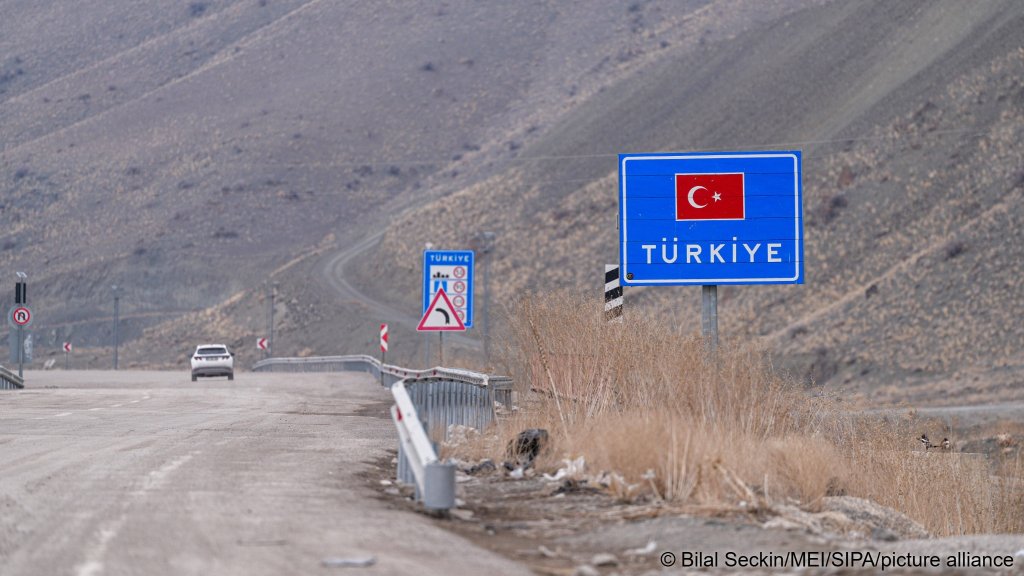
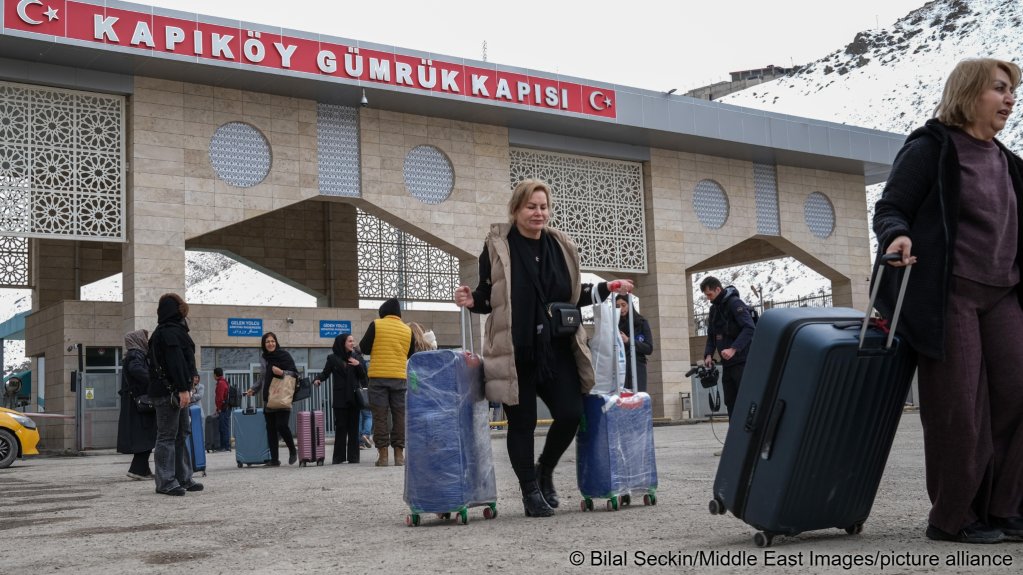
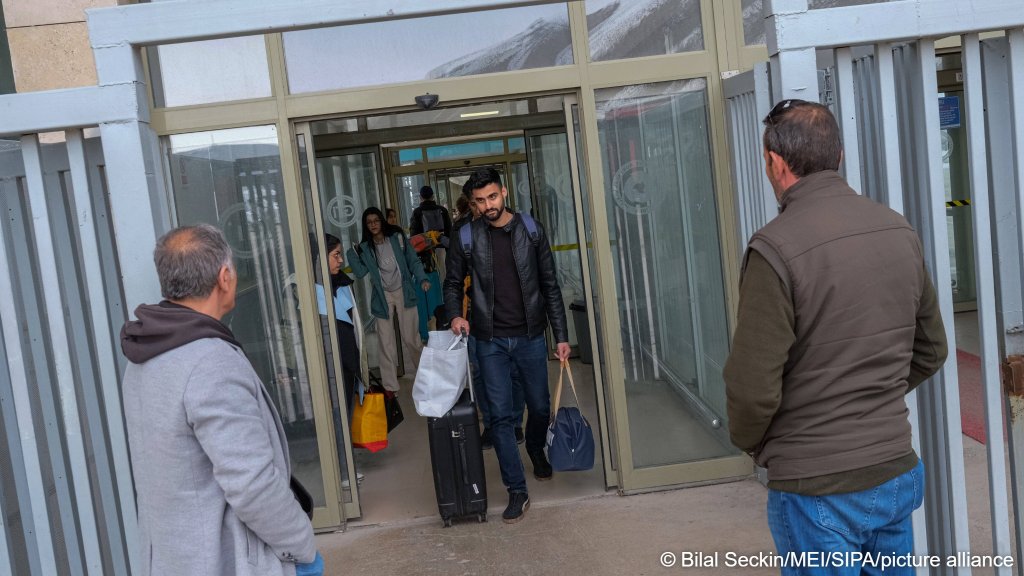
Turkey has said it has prepared contingency measures for an increase in possible arrivals from Iran, including preliminary capacity for up to 90,000 people, tent camps, and buffer-zone planning. At the same time, the news agency Reuters reported in early March that there was no major movement at the three border crossings, even as hundreds of Iranians were seen crossing into Turkey on one day and some travelers said others had been delayed on the Iranian side.
That mix of controlled movement, contingency planning, and uncertainty helps explain why the issue is now being discussed so intensely in Europe. The present picture is not one of confirmed mass flight, but of states preparing for a scenario that could still change quickly.
Read AlsoEU-Turkey migration deal: a mixed record ten years on
Growing criticism from Berlin
In Germany, the Iran war has also become an economic concern. Economy Minister Katherina Reiche warned that the country’s fragile recovery could be threatened by the fallout from the conflict and said a prolonged war could inflict around 40 billion US dollars (around 34 billion euros) in damage through higher energy prices and inflation.
She also warned that fuel shortages could emerge in April or May if the conflict continues. Reuters further reported that Germany’s business sentiment weakened in March as the war hit hopes of an upswing, underlining that the consequences for Berlin are being measured not only in asylum debates, but also in energy security and growth.
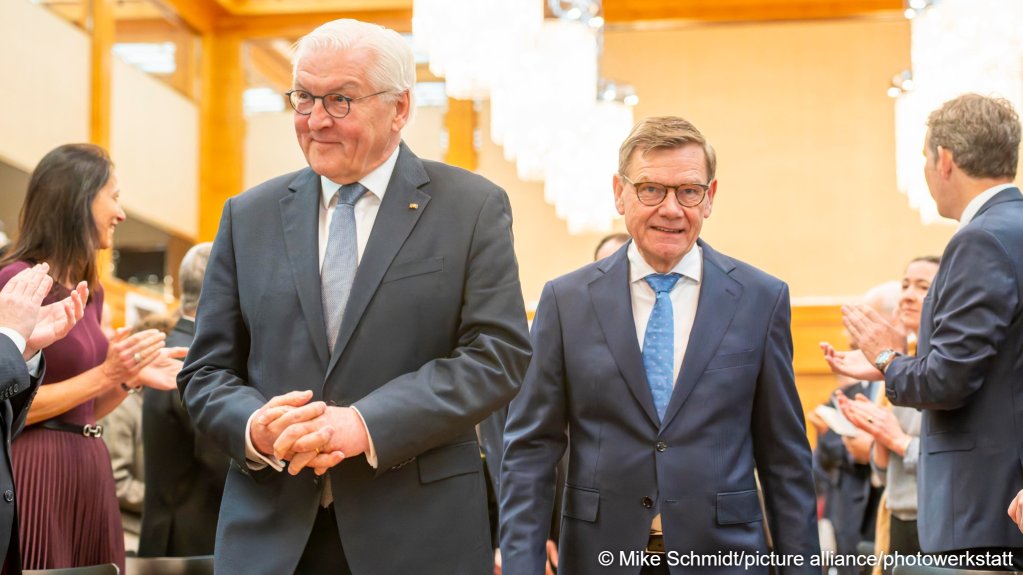
The war has exposed strains inside Germany’s foreign policy debate as well. President Frank-Walter Steinmeier said the conflict was, in his assessment, a breach of international law and a "politically fateful mistake," comments that marked a sharper tone from Berlin toward Washington than has often been the case. The US participated heavily in the rebuilding of West Germany after the end of the Second World War, and for much of that time since, German government members have been at the forefront of a pro-US policy in Europe.
At the same time, senior German officials have stressed the need for diplomacy and warned against a wider regional escalation. The result is a debate in which migration concerns, economic risks, and foreign policy tensions are increasingly intertwined.
Read AlsoOver 330,000 displaced by recent hostilities in Middle East and beyond, says UNHCR
The diaspora dimension
Germany’s close eye on developments in Iran is also shaped by the fact that it hosts Europe’s largest Iranian diaspora. According to figures cited in recent reporting, around 319,000 people with an Iranian background live in Germany, including about 128,000 who hold German citizenship -- making up more than 40 percent of all Iranians in Europe.
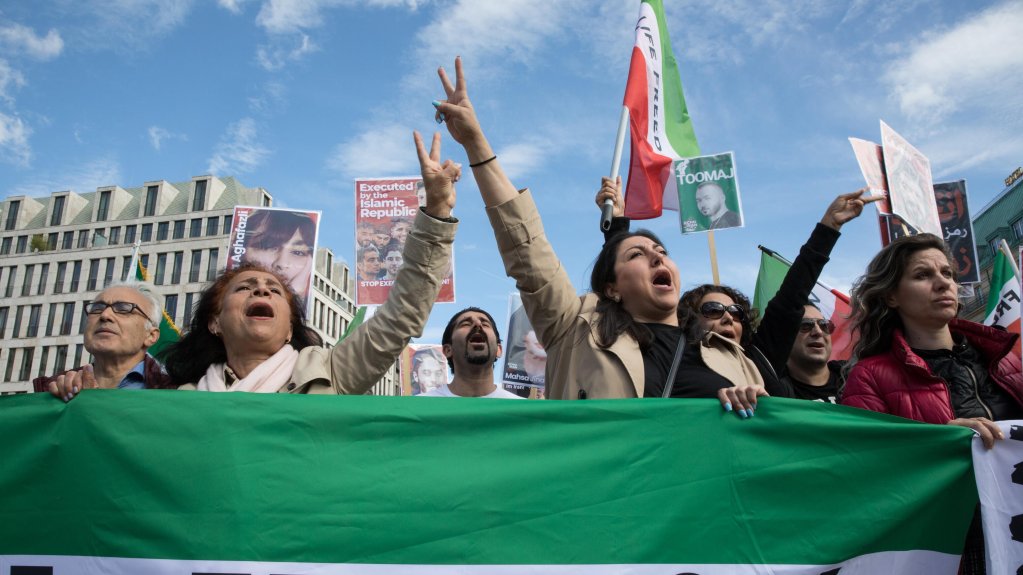
That gives Germany a particular stake in the conflict’s fallout, even before any larger refugee movements have materialized. For now, the German debate is defined by a gap between perception and reality -- a strong public expectation that the country would struggle with additional arrivals, and a still uncertain picture of whether such a movement will emerge at all.
Read AlsoDenmark, Italy urge EU to provide aid and prepare for migrant arrivals amid Iran war
With dpa