
Reported cases of gender based violence cases reached record levels in 2024, and migrant women face heightened risks -- but Germany’s legal system and support network offer protection regardless of immigration status.
On Wednesday, (March 25), the German parliament debated the issue of domestic violence and what lawmakers can do to combat it.
In Germany, domestic violence reached a record 266,000 victims in 2024, this was up 3.8 percent from the previous year, according to the Federal Criminal Police Office (BKA). Between 73 and 80 percent of victims of domestic violence are women. Sometimes a rise in the reporting of cases can indicate progress is being made in destigmatizing the issue and offering better support for victims, but stigma remains and experts in the field believe that there could still be a large number of unreported cases that remain below the radar.
Migrant women are particularly affected: 69 percent of women in shelters are migrants or refugees, many facing higher risks due to isolation, language barriers, and fears of deportation. Despite this, Germany has clear laws to protect people from domestic violence, regardless of their legal status or origin.
Here's what you should know if you are a migrant woman facing a situation of domestic violence:
Legal protection against domestic violence
Under German law, domestic violence is treated as a serious criminal offense. The Criminal Code (StGB) covers acts such as physical assault, threats, and stalking, all of which can lead to fines, imprisonment, or restraining orders. In addition, the Violence Protection Act (Gewaltschutzgesetz) allows courts to act quickly to protect victims.
The Act empowers courts to issue rapid orders forcing abusers to vacate the home or maintain distance from victims, typically effective for up to six months and extendable as needed. It also establishes a statutory entitlement to free shelter, counseling, and financial support for all victims, including refugees, backed by 2.6 billion euros in federal funding through to 2032.
For migrants and refugees, these protections can halt deportation proceedings when fleeing abuse and enable residence permits under Section 25 of the Residence Act (AufenthG) for cases of gender-based violence. Children receive safeguarding under Section 1666 of the Civil Code (BGB), allowing removal from unsafe environments. While refugee women may fear repercussions related to family honor or asylum status, German law consistently prioritizes victim safety above other considerations.
What happens when violence is reported?
When violence occurs, the response system is designed to act quickly. Calling the police on 110 triggers an immediate assessment of the situation. If there is a serious risk, officers can remove the abuser from the home for up to two weeks and involve child protection services if needed.
In the following days, a court can issue a longer-term protection order, while police may pursue criminal charges. Victims are supported throughout the process, including being given access to free legal assistance, interpreters, and the option to avoid direct confrontation with the abuser in court. For many, the priority is rapid relocation to a safe environment, often through a women’s shelter.
What help is available?
Germany provides comprehensive support for women and children fleeing domestic violence, available free of charge to refugees and migrants with no initial documentation requirements. Services include secure accommodation, financial assistance, psychological care, physical protection, and culturally sensitive counseling.
Safe accommodation is available through women's shelters (Frauenhäuser), which offer private rooms, meals, clean clothing, and childcare. Stays can typically last from several weeks to several months during recovery. Emergency admission operates around the clock, regardless of residence status.
Psychological care includes access to child psychologists specializing in violence trauma, accessible through health insurance or referrals from the Jugendamt (Youth Protection Offices). Therapy employs age-appropriate methods such as play, drawing, and storytelling to address fear and rebuild emotional security.
Efforts have also been made to ensure that support is accessible to women with limited literacy. Helplines offer immediate access to interpreters, while shelters and support centers use visual tools, symbols, and simple communication methods to understand and respond to situations. In many cases, no written forms are required at the point of entry, ensuring that lack of literacy does not become a barrier to safety.
Challenges
Germany's domestic violence services are strong on paper, but significant challenges remain -- especially for migrant women. Shelter spaces are limited, with 12,000 more places needed nationwide to meet demand, and access can be uneven, particularly in rural areas.
Although financial abuse is recognized as a form of domestic violence in Germany, many women are fully financially dependent on their abuser, leaving them trapped. This is especially true for migrant women, who may face additional barriers such as language and social isolation. Support for economic abuse remains limited, with services focusing on immediate safety rather than long-term financial autonomy. Helplines and NGOs such as Solidarity with Women in Distress (SOLWODI) can be a first step in helping women untangle financial dependence and move towards autonomy.
Waiting times for therapy can stretch to several months, especially for those who need non-German-speaking or trauma-specialized therapists. Fear of deportation or authorities can discourage undocumented victims from seeking help, while cultural stigma around issues such as honor-based violence can further complicate access to support.
While major cities tend to offer more accessible services, navigating the system can still be difficult. For many, the most effective first step is contacting the national helpline, which can guide victims through available options.
Safe houses
Finding safe accommodation is a central part of the support system. Germany has more than 400 women’s shelters, many of which provide multilingual and culturally sensitive services for migrant women.
A national database allows users to search for shelters by location, language, and services such as childcare or legal counseling. Emergency admission is available 24/7, even without documentation.
Some shelters offer specialized support. For example, S.H.E. Safe House in Leipzig focuses on refugee women and children and provides interpreters alongside German- and English-speaking staff. Other initiatives, such as the "ÜBERsetzen" project, offer counseling tailored to Turkish- and Kurdish-speaking women.
The Frauenhauskoordinierung search tool allows women to find shelters and counseling centers across Germany quickly and privately. Users can search by city or postcode and filter results by language, services, and accessibility. Listings include contact details and available support, although some shelter addresses remain confidential for safety reasons.
Women can contact shelters directly or call the national helpline for assistance in finding a place.
Direct free anonymous legal advice services
In addition to emergency housing, free legal advice is widely available and can be an important first step for those not in immediate danger. Organizations such as Terre des Femmes, Pro Asyl, DaMigra, and SOLWODI offer confidential guidance on issues including protection orders, residence rights, custody, and cases involving forced marriage or trafficking.
SOLWODI has local support centers across the country. These services often operate in multiple languages and can help victims understand their rights and options before taking formal action.
Key contacts for children
Children affected by domestic violence are also a key focus of support services. Specialized helplines and counseling services provide safe, confidential spaces for children and teenagers to talk about their experiences, often without parental involvement.
Through youth welfare services, children can access trauma-informed therapy, often in multiple languages. These interventions aim to help children process their experiences and rebuild a sense of safety and trust.
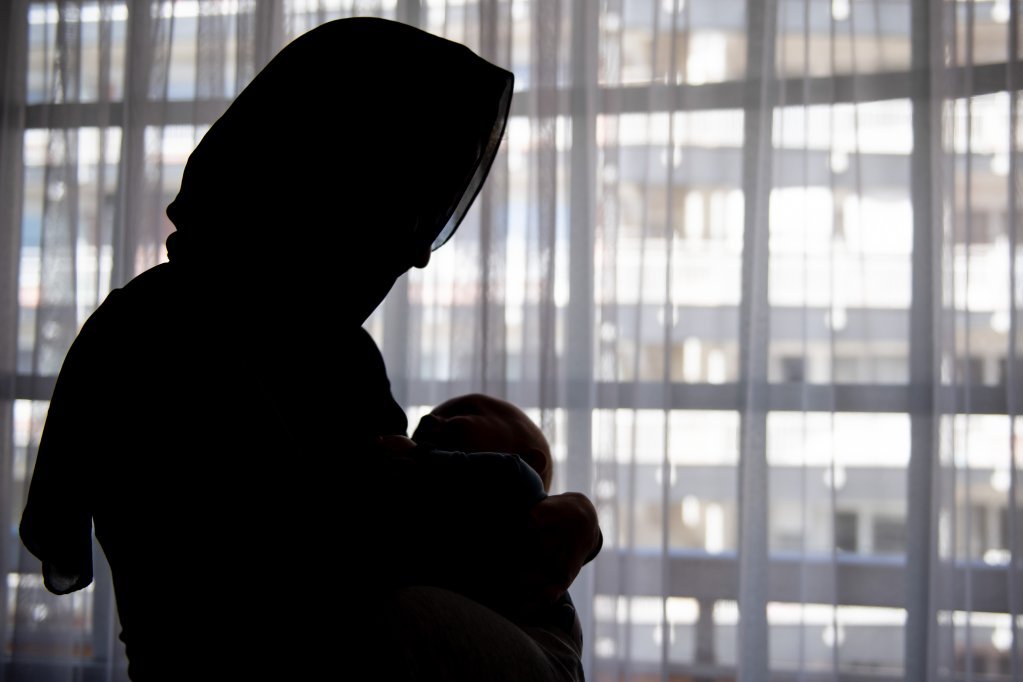
Hotlines for children include Nummer gegen Kummer (116 111), which offers support for children and teenagers, and a counseling service for Refugee Girls and Young Women (030 82 09 743 0)
Child psychologists and trauma therapy are available through Jugendamt referrals. Multilingual directories such as amka.de help families find specialists, while MUKI centers at refugee reception facilities offer play therapy for young children, alongside counseling for parents.
While navigating the system can be challenging, especially for migrant women, support is available at every stage both from public services and NGOs -- and in many cases, help can be accessed within minutes through confidential, multilingual services.
Key contacts: Nationwide (multilingual support)
Several free helplines operate nationwide, offering 24/7 support in more than 18 languages, including Arabic, Dari/Farsi, Turkish/Kurdish, French, and English.
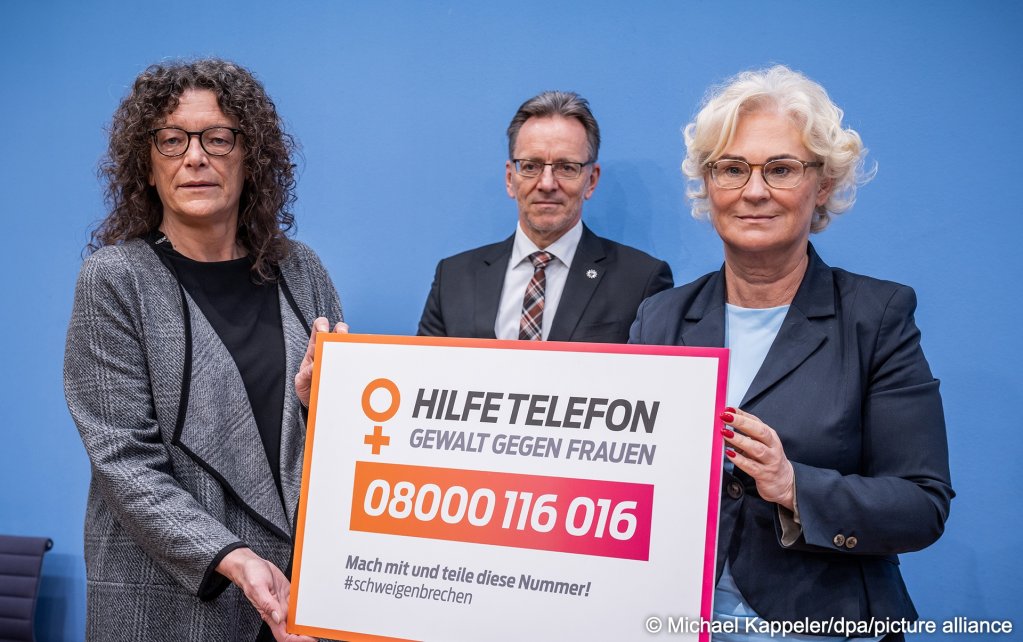
The Violence Against Women helpline (08000 116 016) provides confidential support via phone and chat, while the Sexual Abuse Hotline (0800 22 55 530) offers specialized assistance, while the Violence Against Men hotline (800 1239900) provides counseling for men experiencing violence.