
Authorities started tracking the network’s activities in 2025, across a complex international supply chain that included sourcing inflatable boats in Asia and storing them in Germany. A single migrant boat, often carrying on average about 66 people, is estimated to rake in up to 100,000 euros for traffickers.
An international law enforcement operation has led to the arrest of 21 suspects in total, linked to a suspected migrant smuggling network operating across Europe. "This operation is the outcome of close cooperation between law enforcement and judicial authorities from Belgium, France, Germany, the Netherlands, and the United Kingdom, with support from Eurojust," read a statement from Europol released on March 25.
Law enforcement operations in Belgium, France, Germany, and the Netherlands arrested a total of 17 individuals suspected of having low-level logistical roles. Four suspected organizers allegedly responsible for arranging the transport and distribution of equipment used in smuggling operations were also arrested across the state of North Rhine Westphalia (NRW) in western Germany. The gang is believed to be made up of Syrian and Iraqi-Kurdish individuals.
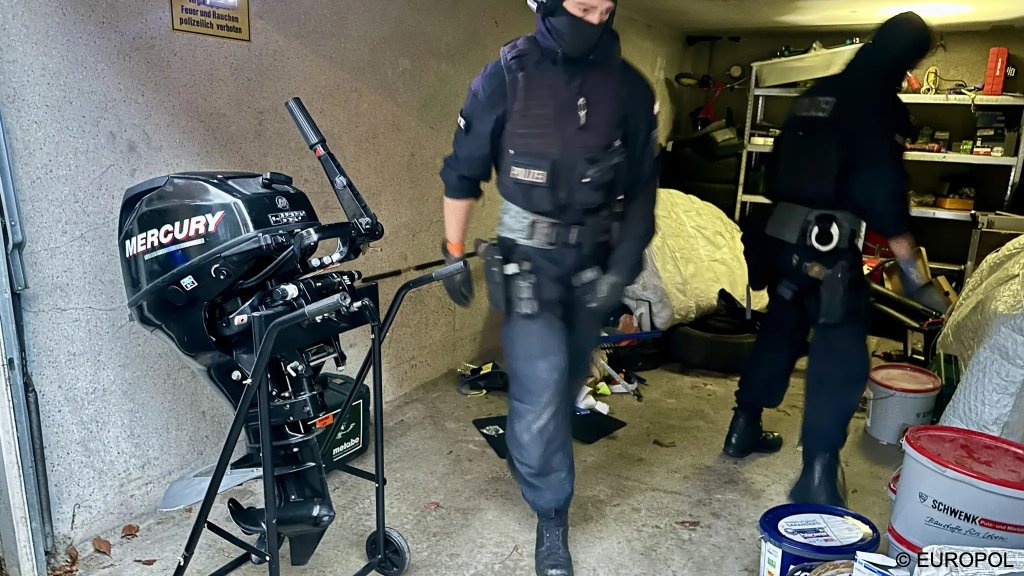
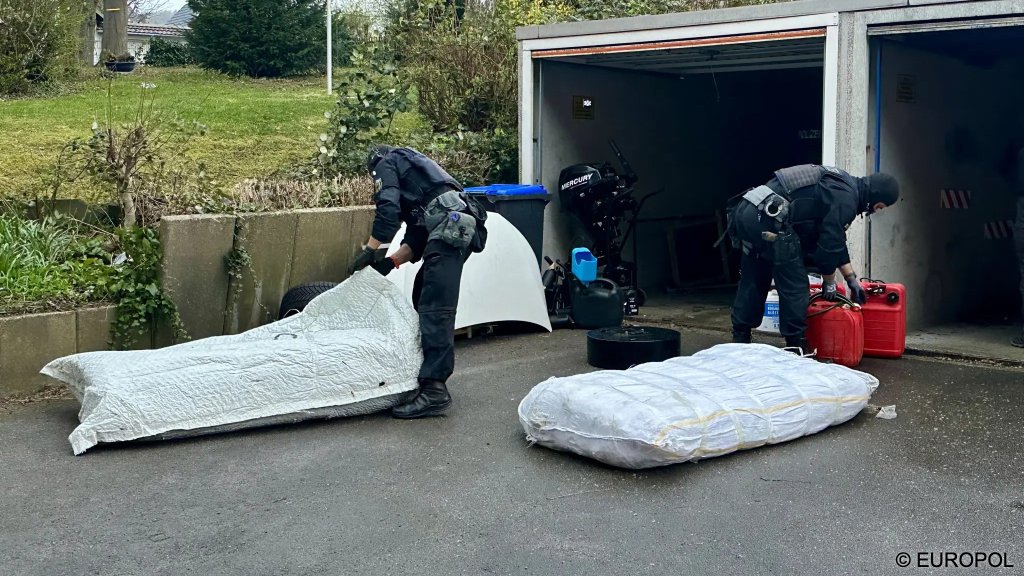
In a statement, German police confirmed they had seized 11 boats, an engine and inner tubes during coordinated raids of premises controlled by the network around Essen, Gelsenkirchen, Marl, Herdecke und Lüdenscheid, all in NRW.
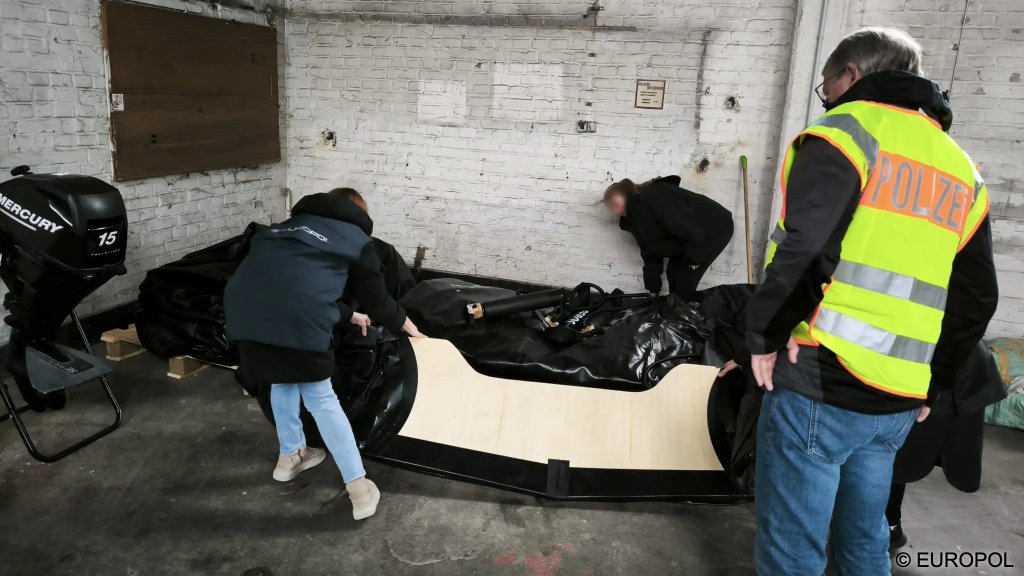
Joint and coordinated police operations across 14 locations (two in Belgium and 12 in Germany) also resulted in the seizure of boats, 1 engine, boxes of inner tubes, life vests, weapons, gold bars, over 30 electronic devices, and almost 60,000 euros in cash.
In a statement, the European Police authorities (Europol) said the arrests, which took place in Belgium and Germany, mark a significant breakthrough in "disrupting financial and logistical foundations" of a criminal network that enabled dangerous crossings of the English Channel.
Read AlsoAlmost 8,000 migrants died or vanished on routes in 2025: UN
Cross-border smuggling network
Investigators traced the network’s activities across a complex international supply chain. According to authorities, the equipment used in the smuggling operations was manufactured in Asia. This equipment was then transported into Europe through Turkey, crossing both land and sea borders.
A British National Crime Agency press statement explains that the operation began after British NCA officials and Belgium police received intelligence about a shipment of inner tubes, due to be delivered to Italy in March 2025.
"The inner tubes, which are often given by people smugglers to migrants on Channel boats in place of life jackets, were then transported to several storage locations controlled by the gang in Germany," explained the press release.
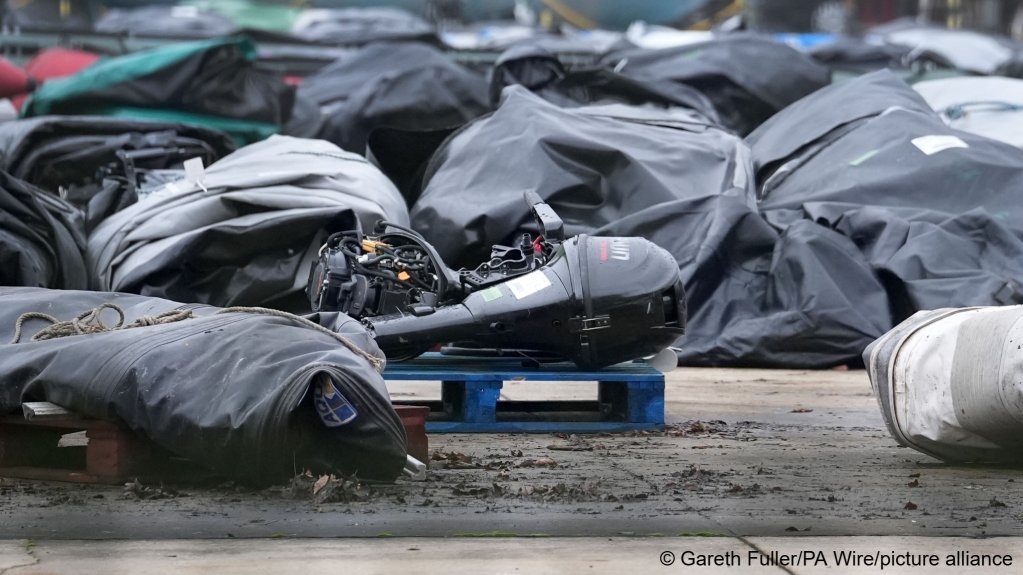
"Once there, they would be linked up with inflatable boats, pumps and engines to form "go kits," each worth over 10,000 euros on the black market, and suitable for one small boat launch. They would be purchased in Germany and shipped to the French coast for a fee."
Each smuggling "package" assembled by the network reportedly included an inflatable boat, engine, air pumps, fuel containers, and tire inner tubes, which are often used as a substitute for proper life-saving gear, noted Europol.
These "packages" were reported to have been sold for anywhere between 10,000 and 20,000 euros.
Authorities estimate that the broader smuggling operation generated enormous profits. With migrants typically paying between 1,000 and 2,000 euros per crossing and boats carrying an average of 66 people, a single journey could yield up to 100,000 euros for traffickers believe investigators.
Read AlsoAustrian authorities bust smuggling gang that facilitated over 100,000 illegal entries into the EU
Smuggling people, across land and sea
According to Europol, in 2025 alone, more than 41,000 migrants reached the United Kingdom on board small boats, underscoring the scale of operations by migrant smuggling networks such as these.
Last year, more than half of those migrants who arrived in the UK came from Eritrea, Afghanistan, Sudan, Iran, and Somalia.
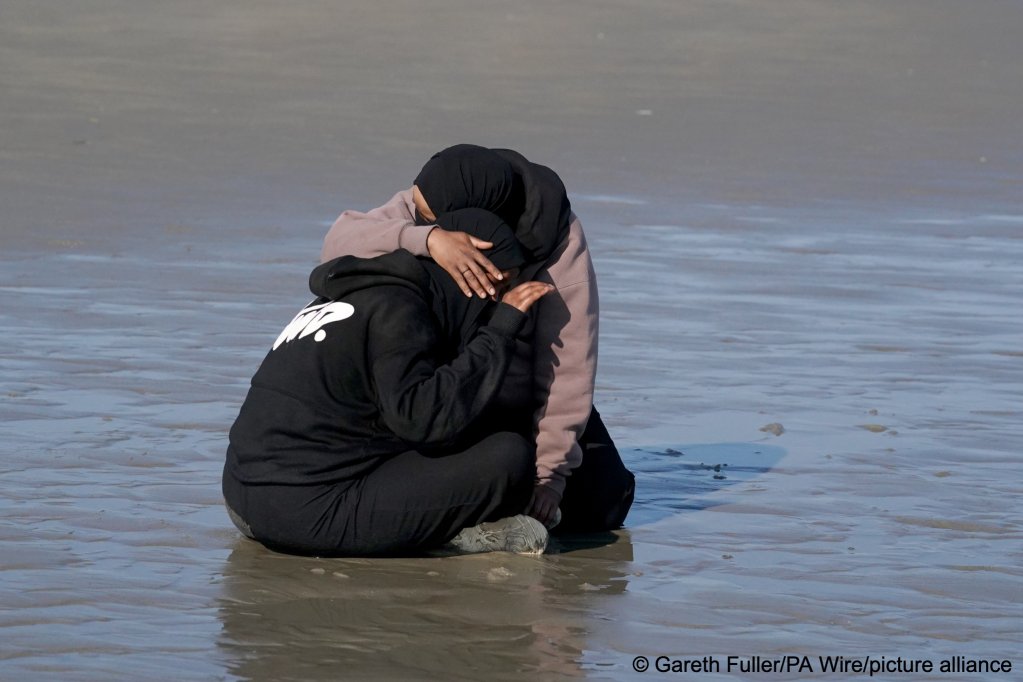
Law enforcement officials warn that such operations come at a severe human cost. Dozens of migrants have died attempting the crossing, at least 31 in 2025, and survivors often report exploitation, violence, and abuse at the hands of smugglers. Authorities say these networks increasingly rely on coercion, including threats and extortion, to maximize profits.
The Migration Observatory at Oxford University in Britain recorded a total of 162 deaths in the English Channel between 2018 and 2025. The number rises to 257 when taking into account other deaths related to migration, such as accidents involving people who are smuggled into the UK onboard trucks or what are more locally referred to as lorries.
Read AlsoUK: Man found guilty of smuggling migrants using lorries
Fighting migrant smuggling
Europol recently established the European Center Against Migrant Smuggling (ECAMS) under the EU 2025/2611 regulation to enhance intelligence-sharing, financial tracking, and operational coordination across law enforcement bodies across the member states.
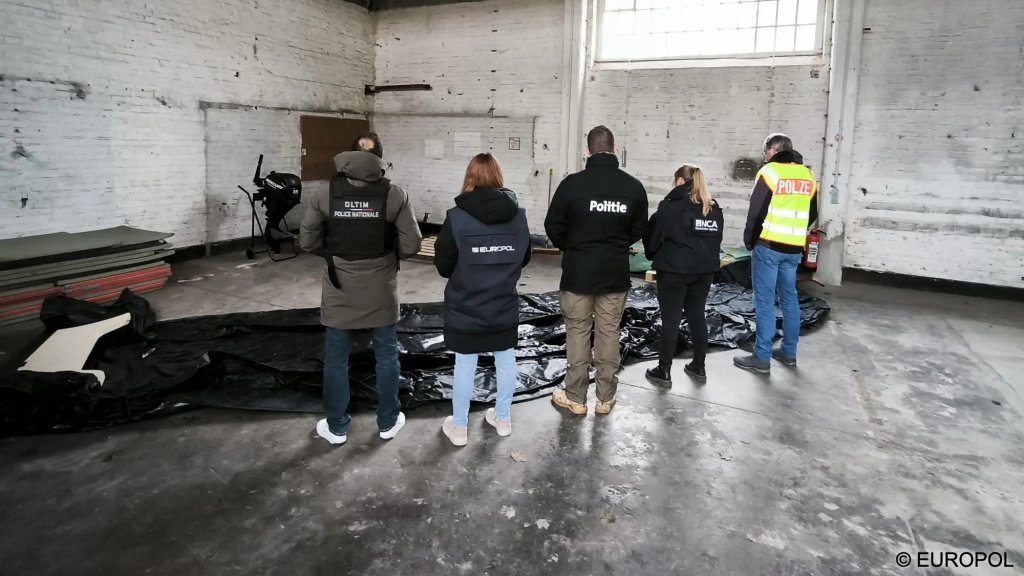
Officials say the success of this latest operation demonstrates the importance of coordinated, cross-border enforcement in dismantling networks that operate along entire smuggling routes — from production and transport to final deployment. By disrupting supply chains, authorities aim to reduce both the capacity and profitability of migrant smuggling operations across Europe.
Read AlsoEuropol launches new unit to fight migrant smugglers