
Tunisia wants to renegotiate its EU deal, demanding a fairer partnership amid growing migration tensions and a crackdown on dissent in the country. Meanwhile as bodies wash ashore, the bargain between Tunis and Brussels is becoming a litmus test for Europe’s human rights commitments.
Tunisia’s President Kaïs Saïed is calling for a revision of the country’s comprehensive partnership with the European Union. His calls stem from a deepening sense of grievance towards the EU, over what Tunisian officials feel is an unequal, migration‑driven bargain. His calls come amid deepening domestic and geopolitical pressures.
On Monday (March 23), the Arab Weekly reported that, in a phone call with French President Emmanuel Macron, Saïed said the deal must be revisited to make it "more balanced, fair and equitable," according to a statement from the Tunisian presidency published on that platform.
In 2023, the EU, keen to minimize irregular arrivals from a key North African departure point, pledged over one billion euros to Tunisia in financial support and border‑management aid. Just over a year later, critics like the International Commission of Jurists (ICJ) argued in a briefing paper that migrants in the country and Tunisian civil society were suffering from a loss of rights, transparency and human rights abuses.
Tensions between the EU and Tunisia were already on display in 2023, when Saïed initially publicly rejected EU migration‑related funding, branding it as "derisory" and insisting that his country "does not accept anything resembling charity or favor," only to have Tunisia later return a 60‑million euro tranche of EU budget support, underscoring his demand for a relationship based on equality rather than dependence.
Tunisia's case for a 'fairer' deal
Saïed’s recent remarks to Macron capture the core Tunisian narrative that the EU accord is unfair and unbalanced. The formal framework began as a 1995 cooperation agreement, was upgraded in 2012 and then expanded into a 2023 "Memorandum of Understanding" on migration, trade and energy -- has long tied Tunisia’s economic survival to Brussels.
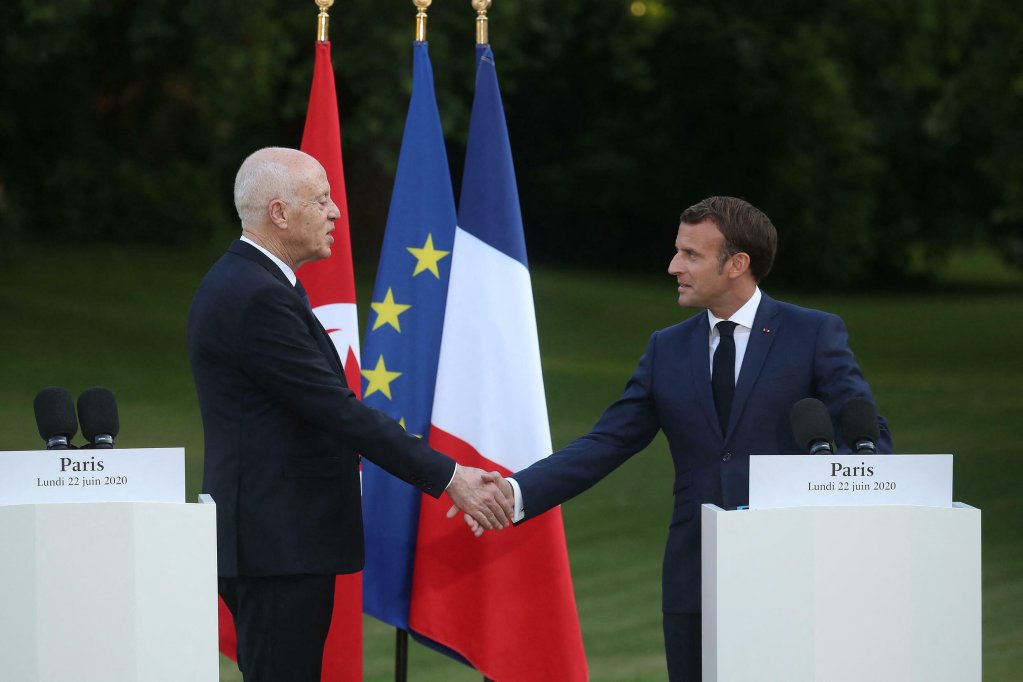
The EU remains Tunisia’s largest trading partner, taking around 70 percent of its exports, yet Tunisian officials complain that the inflows of foreign investment and development support have not matched the asymmetry of this trade dependence.
Now Saïed wants to revisit the deal explicitly as a tool to recover what he calls "stolen funds" held abroad and to shift the relationship from a "client" dynamic toward a more reciprocal partnership. Political commentators such as the Tunisian politician Mondher Thabet, (who writes in publications such as The Arab Weekly and is described as a liberal, former president of Tunisia's Social Liberal party PSL and has a past as a left-wing / Marxist radical), argue that Tunisia’s subordination is structural: it is treated as a market for European goods and a buffer zone for migration, rather than as a destination for serious, long‑term investment.
Read AlsoIncrease in migrant deaths highlights rising dangers of Mediterranean route
Migration as a bargaining chip
The 2023 EU-Tunisia migration deal promised immediate aid of about 100-105 million euros destined for border and coastguard operations, plus some one billion euros in broader macroeconomic, energy and sectoral support, in exchange for tighter controls on irregular departures and returns. The European Commission claims the deal has helped reduce irregular arrivals from Tunisia to Italy by roughly 80 percent, using it as evidence that the framework is "working."
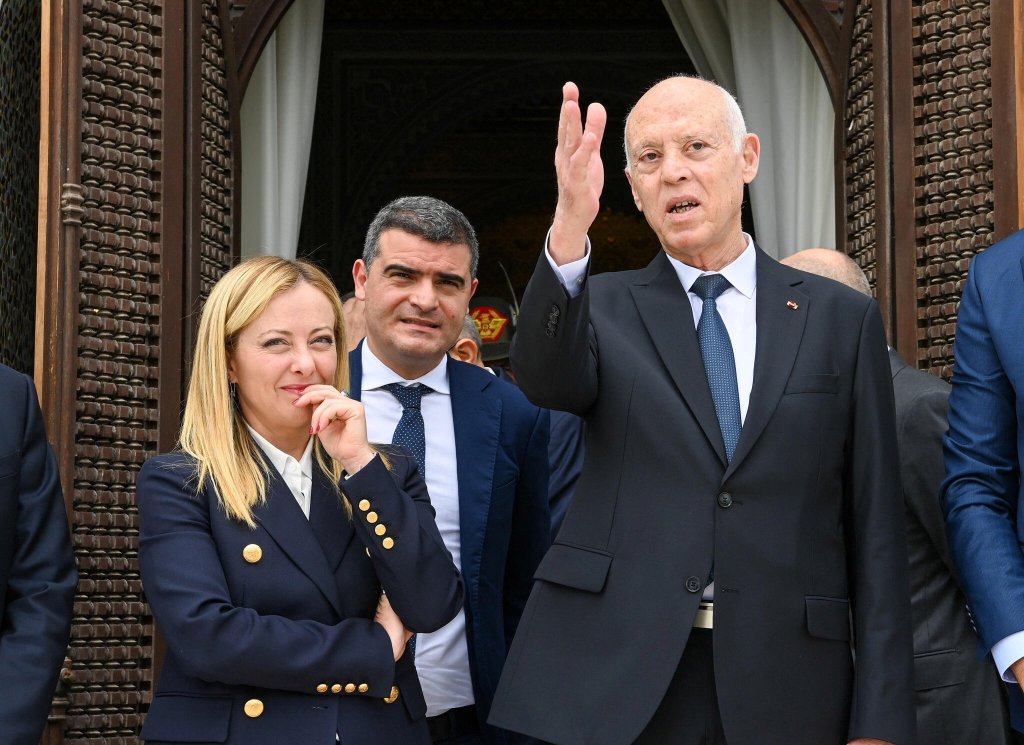
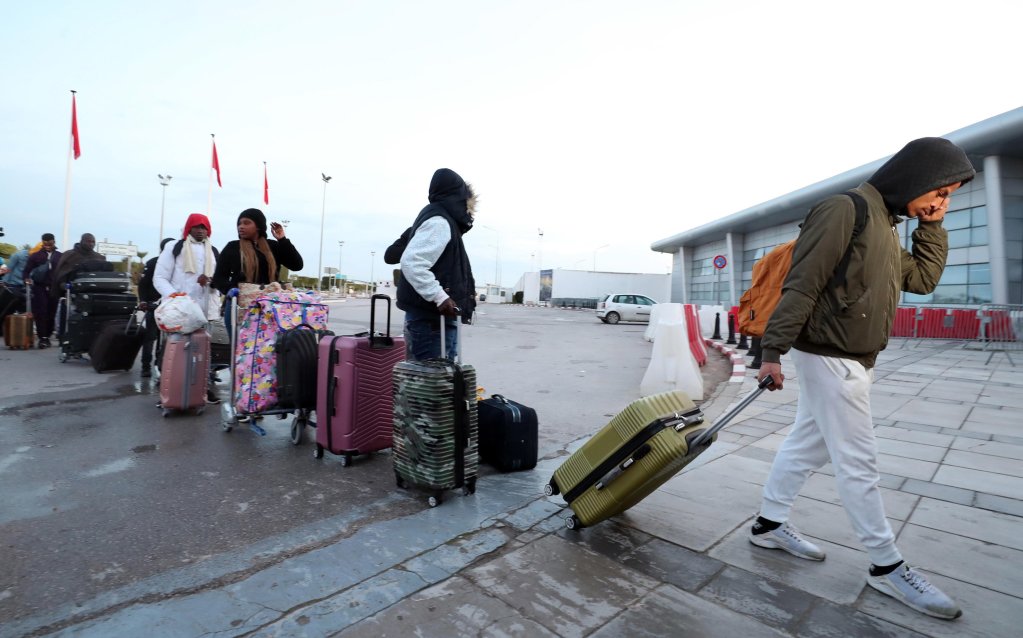
In practice, however, Tunisian authorities have unleashed a harsh crackdown both on migrants and on the civil society groups that defend them. Repeated reports from Amnesty International and other NGOs document abusive pushbacks, desert dumpings of migrants, and racially motivated violence against sub‑Saharan Africans.
Migrant arrivals are often framed by Tunisian officials as part of a "criminal plan" to alter the country’s demographic makeup, echoing Saïed’s 2023 "replacement theory" speech. In the same climate, Tunis has suspended organizations such as the Tunisian Forum for Economic and Social Rights (FTDES) and the Association of Democratic Women, which have been instrumental in monitoring migrant abuses and documenting interceptions at sea.
Read AlsoTunisia: Amnesty flags 'horrific' abuses against migrants
The silencing of data and voices
Just as the EU deal is being called into question, governments on both sides of the Mediterranean appear to be tightening their grip on information. In 2026, the Mediterranean appears on track to become one of the deadliest years yet for migrants, with the UN’s International Organization for Migration (IOM) recording at least 682 confirmed missing as of mid‑March with estimates of far more "invisible shipwrecks" which remain unverified because of a lack of data and opaque reporting.
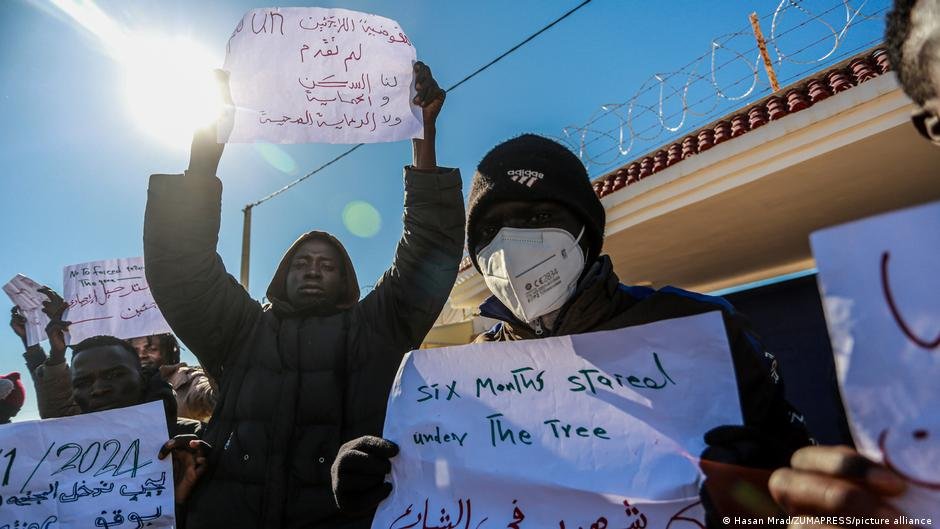
Tunisian authorities, once keen to publish figures on interdictions to show their EU partners that they were clamping down, stopped sharing regular data on migrant interceptions in mid‑2025. Civil society actors such as FTDES have previously suggested this is not just a security measure but a political tactic to avoid confronting the contradiction between Tunisia’s "border‑guard" role and its official narrative that it is not Europe’s proxy. Similar opacity is evident in Italy and Malta claim some NGO operatives, who say that coastguard press releases on rescues and monthly statistics on migrant deaths have become increasingly inaccessible.
This "strategy of silence," as Italian migration researcher Matteo Villa puts it, makes it harder to hold states accountable for the lives lost at sea and to counter Saïed’s narrative that Tunisia is merely the victim of a global economic system rigged against the Global South.
Shrinking space for dissent
The recent conviction of anti‑racism activist Saadia Mosbah crystallizes the Tunisian government’s broader campaign against critical voices. Mosbah, head of the Mnemty anti‑racism association, was sentenced to eight years in prison on charges of money laundering and illicit enrichment, building on a crackdown that began in 2024 with the suspension of migrant‑rights groups and the arrest of several activists. Her lawyers say the ruling is politically charged, aimed at demonstrating that "civil society work is suspicious" under the current regime.
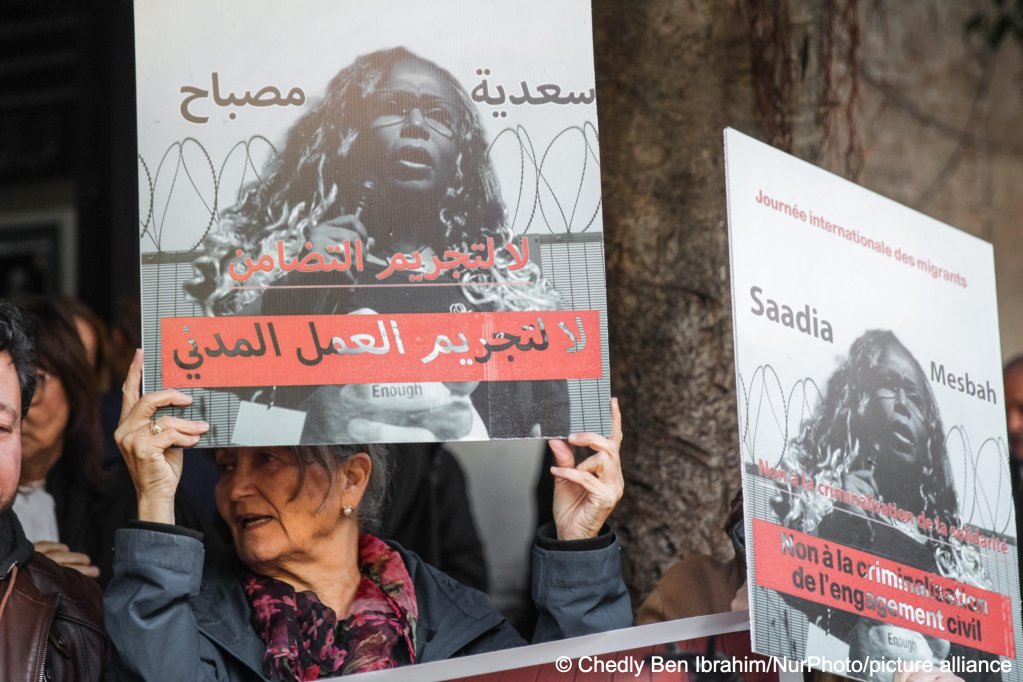
Amnesty International and other rights bodies have warned that what they describe as a "climate of repression," combined with the EU’s own financial support for migration management, risks making European leaders complicit in systemic abuses being carried out in the North African country.
The EU’s migration‑focused partnership with an increasingly authoritarian Tunisia under Saïed stands in stark contrast to the bloc’s professed commitment to human rights and the rule of law, a dissonance that some European lawmakers and NGOs have begun to openly challenge.
Read AlsoTunisia court frees NGO workers accused of helping migrants
What a renegotiation might mean
If Tunisia succeeds in forcing a serious renegotiation, at least four issues will be on the table. First, Tunis is expected to demand a clearer, more balanced formula for investment and development finance, pushing to be treated less as a "buffer" and more as an economic partner with genuine growth opportunities.
Second, Saïed is likely to weaponize migration by insisting on more robust EU responsibility for returns, asylum‑seeker processing, and humanitarian support, while also seeking to leverage past and future "stolen‑asset" claims.
Third, domestic pressure -- from MPs like Fatma Mseddi and civil society groups -- will almost certainly demand that the full text of the EU agreement be made public, as a safeguard against what is perceived as a "covert" settlement regarding migration and security arrangements.
Fourth, Tunisian professionals and diaspora organizations will push for greater recognition and protections for the roughly 1.5 million Tunisians living abroad, including doctors and engineers whose exodus is draining the country’s already overstretched health system.
Read AlsoTunisia: Authorities register a 'record number' of voluntary returns
The EU's dilemma
For Brussels, there is a temptation to view Tunisia as a critical node in the fight against irregular migration and a springboard for cheap green‑energy imports. But if the partnership is stripped of human‑rights conditionality and transparency, it risks becoming a model of "authoritarian outsourcing" that undermines the EU’s own values while reinforcing Saïed’s repressive narrative, underline various human rights commentators.
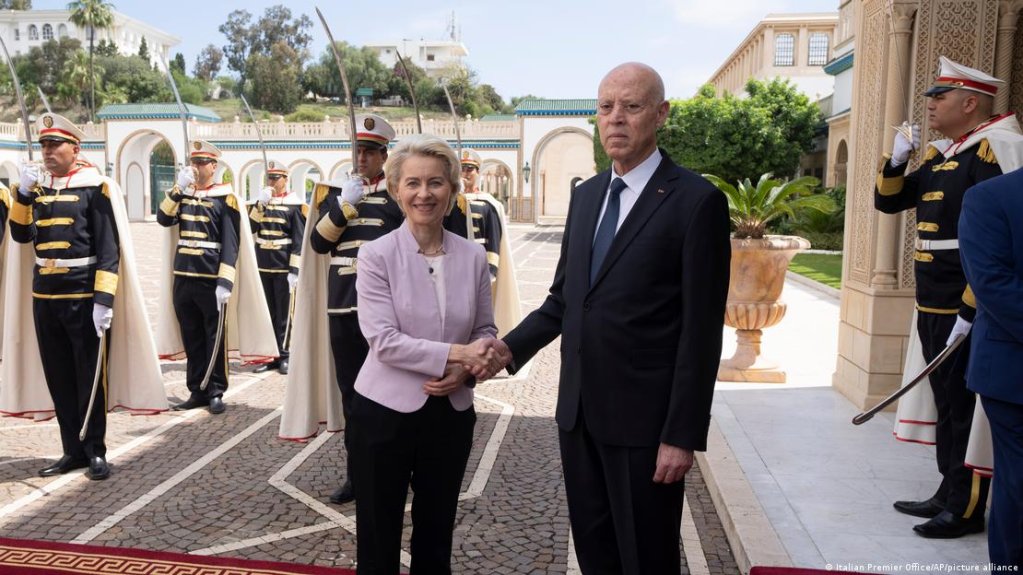
As Tunisian and EU leaders eye a new international legitimacy framework and a highly unstable global order, the true test will be whether the EU can find a way to support Tunisia’s economic needs without sacrificing the rights of migrants, activists, and the very civil society that gave meaning to the 2011 uprising, an uprising which essentially sparked the so-called Arab spring across the region, but which has now become synonymous with the wars, conflicts and displacement movements that ensued.
In the meantime, bodies keep washing ashore, while some rescue data appears to be shrouded in secrecy, and activists like Saadia Mosbah remain in prison -- each a reminder that the cost of the current EU-Tunisia bargain is being paid most by those with the least power to negotiate it.
Read AlsoEU migrant 'return hubs' – explained
With AFP, AP and Reuters