
The UK government is exploring measures to reduce the use of hotels to house asylum seekers, amid mounting pressure to reform the asylum system and end the use of hotels by 2029.
Plans to house asylum seekers at a former military site in Scotland have again stalled following a dispute over local licensing requirements.
The UK Home Office had identified Cameron Barracks in Inverness as a possible new housing center for asylum seekers as part of the government's overall strategy to reform its asylum policies and ease out of using hotels as shelter sites. However, as the BBC reported on Saturday (March 21), a disagreement over local licensing requirements has further delayed the site’s opening. Cameron Barracks had originally been scheduled for occupancy by the end of 2025.
The local government, known as the Highland Council in Inverness raised concerns about securing a House in Multiple Occupation (HMO) license to enable Cameron Barracks to be used to shelter an estimated 300 single adult men. An HMO is a property occupied by several unrelated individuals who share communal facilities such as kitchens and bathrooms.
The council maintains that such a licence is necessary given the scale and nature of the planned accommodation. However, the UK Home Office disputes this, arguing that an HMO license was not required when the site was previously used to house Afghan families under a transitional resettlement program.
No asylum seekers have been reported to have arrived at Cameron Barracks.
Transitioning from hotels
The UK's current policy of using hotels to house asylum seekers has drawn much criticism over cost and suitability.
As an alternative, the government has turned to existing state-owned facilities, particularly sites already administered by the Ministry of Defense. These locations, including Cameron Barracks, are intended to provide more "basic but appropriate" accommodation while longer-term solutions are developed.
Essential services are expected to be provided on-site to reduce pressure on local infrastructure. The government has also said it is working closely with local authorities and community groups to ensure the site is safely operated.
According to a government-issued statement issued in January, the use of Cameron Barracks is a temporary measure. Alternative accommodation options are to be put in place within about 12 months, after which Cameron Barracks would return to military use.
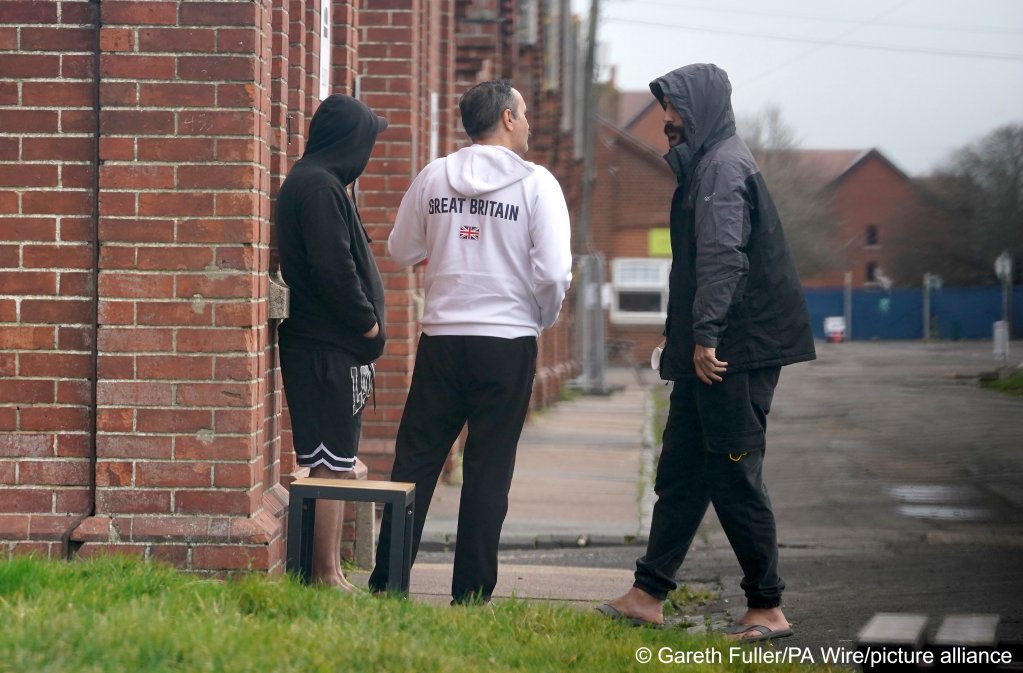
Under current plans, Cameron Barracks would accommodate single male asylum seekers aged between 18 and 65. Individuals would be transferred there after undergoing initial screening checks. Mandatory security checks conducted on all asylum seekers include linking biometric data to immigration, security, and criminality databases.
Upon arrival, residents would receive orientation sessions covering life on site and in the local area. While asylum seekers would not be detained, the site is intended to function as a contained environment, with services provided internally to limit the need for residents to access local services.
Read AlsoUK to explore military sites for asylum seekers as number of Channel crossings continues to soar
Expensive, unsuitable and unpopular
A Home Affairs Committee report released in October last year revealed that billions of pounds on asylum housing had been "squandered" as a result of flawed contracts, poor oversight, and overreliance on hotels.
The report findings pointed to the Home Office being unable to manage costs or ensure proper standards when it came to managing contractors.
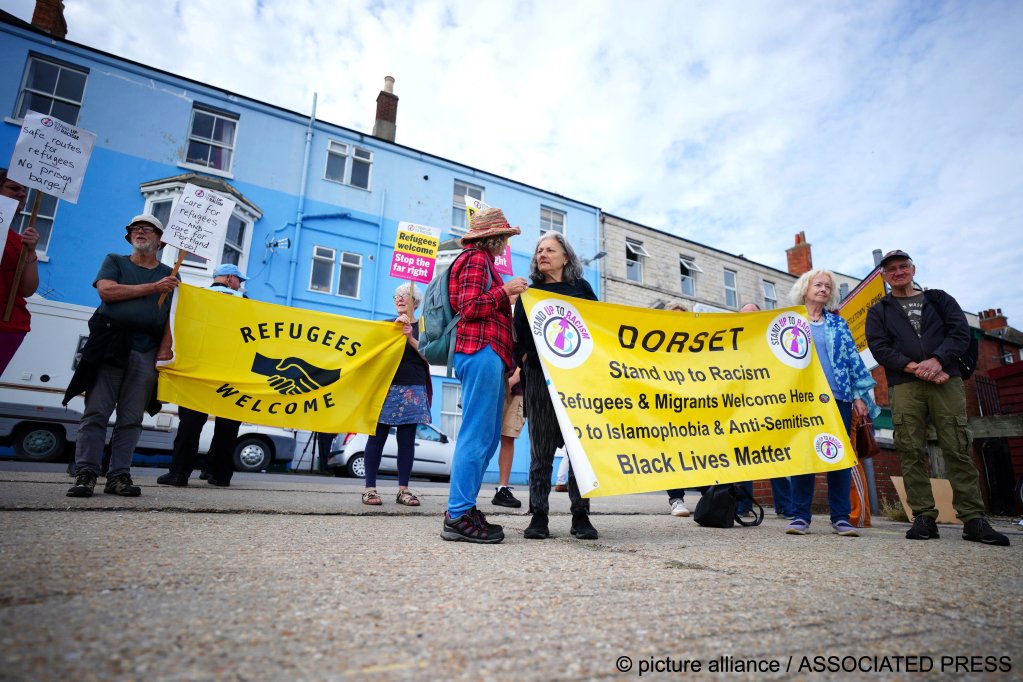
Additionally, the report indicated that the projected cost of asylum housing between 2019 and 2029 tripled, from 4.5 billion pounds to 15.3 billion pounds (from around 5.1 billion euros to 17.4 billion euros), as a result of poor contract management and overreliance on expensive hotel accommodation.
"Hotels went from a temporary stop-gap to the go-to solution for asylum accommodation, leading to a failed system that is expensive, unpopular with local communities and unsuitable for asylum seekers," the committee said.
The government has announced plans to end the use of hotels as asylum accommodation by 2029.
Read AlsoExplainer: How the UK houses asylum seekers and why it is so contentious