
Migrants in recent years have posted videos of themselves effortlessly reaching the Spanish enclave of Ceuta on social media. The online posts glamourize their lives, drawing others to make the same journey. Yet a darker reality exists behind the online images.
Mohamed* paused in front of the camera, victoriously raising his fist in the air. "Today is a big day," said the 18-year-old Guinean, smiling broadly. One the day we speak, he and 17 other migrants are preparing to be transferred to the Spanish enclave of Ceuta, located in northern Morocco, toward the European continent.
Many of the migrants were taking pictures with their phones and posting them on their social media accounts on Facebook, Instagram and TikTok. From the moment they arrived at the Port of Ceuta until they boarded the ferry, they immortalized every moment through dozens of videos and pictures.
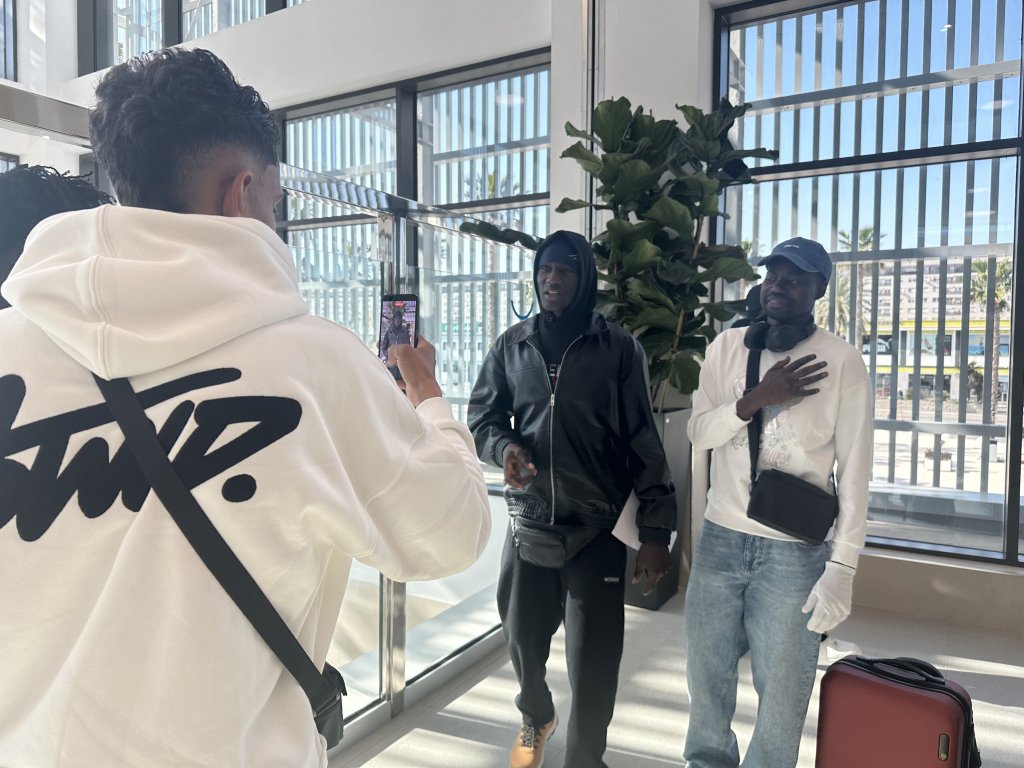
"We have suffered a lot – we need to show that we have succeeded [by reaching Europe, editor's note]," said Mahamoud Abdeldin. The 37-year-old Chadian had been on the road for over a year, before finally reaching Ceuta in January. "We post these images to celebrate our success and encourage others. We left our friends behind in Morocco. These videos are made to motivate them, to make sure they don’t give up and tell them it will be their turn one day," said Mohamed.
Read Also
Ceuta migrant center overwhelmed as arrivals from Morocco increase
'I can’t counter the influence of social media'
Khadija* also sought to document her crossing. She arrived in Ceuta in early March by swimming there. She immediately published the videos of her exploit on her Instagram account but her mother who had stayed behind in Morocco asked her to erase them. "I would like to post a lot of content online, but my mother doesn't want me to," said the young woman with perfect makeup.
Khadija is typical of young people her age: she loves to share her daily life on social media and play with her appearance. That day, when we asked to take her picture in front of the Ceuta reception center (CETI), she couldn’t resist touching up her makeup beforehand.
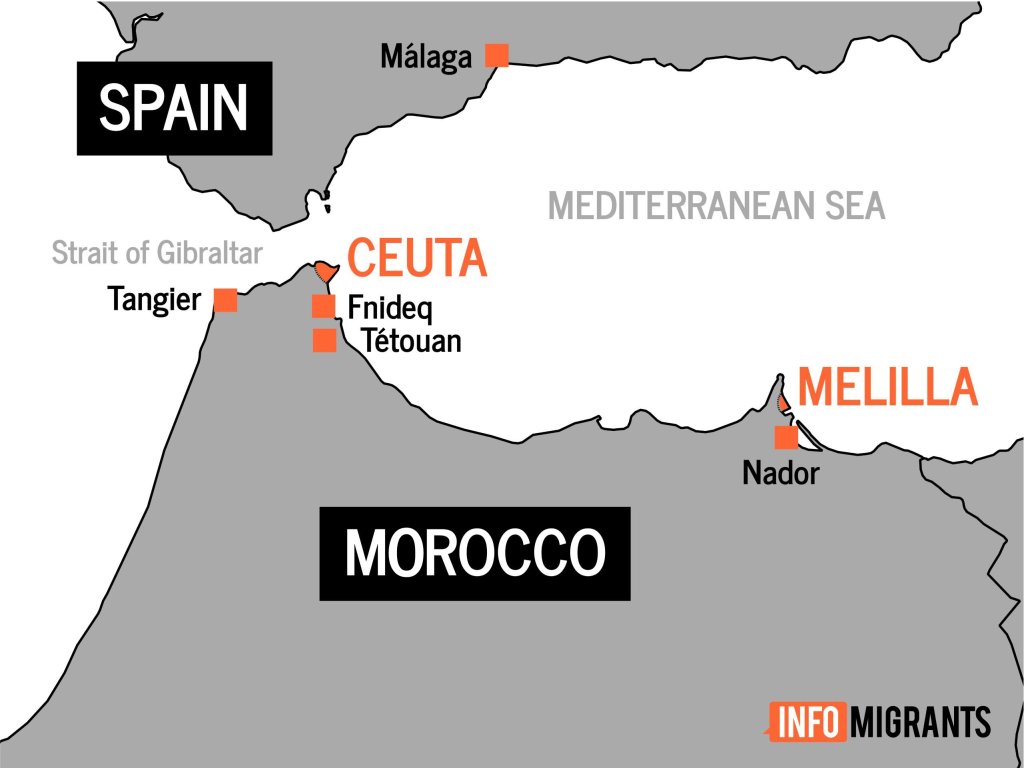
The young woman had always dreamt of Ceuta. She could even see it from her home in Fnideq, a Moroccan city located near the border with the Spanish enclave. A video she saw online accelerated her departure.
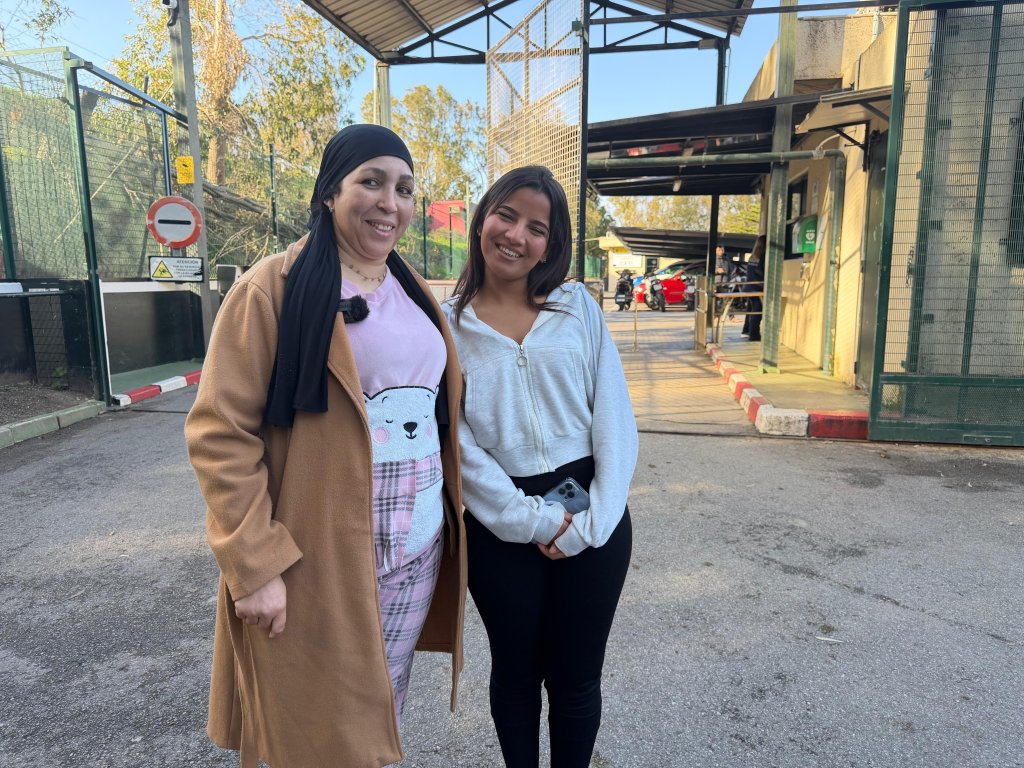
A women from Khadija's neighborhood had managed to reach the Spanish enclave with her 14-year-old son on October 12. The local press filmed her arrival and Faro TV broadcast the video. "The video encouraged me to come. I told myself that I could make it too," said Khadija.
The woman’s name was Meriem*. The mother of four children stood at Khadija’s side in front of the CETI. Meriem said she never imagined she would swim in the sea to reach the Spanish enclave: "I left for my son because I knew he would try one day. It was out of the question for him to do it alone," she said. "I wanted to convince him not to do it, but I can't counter the influence of social media."
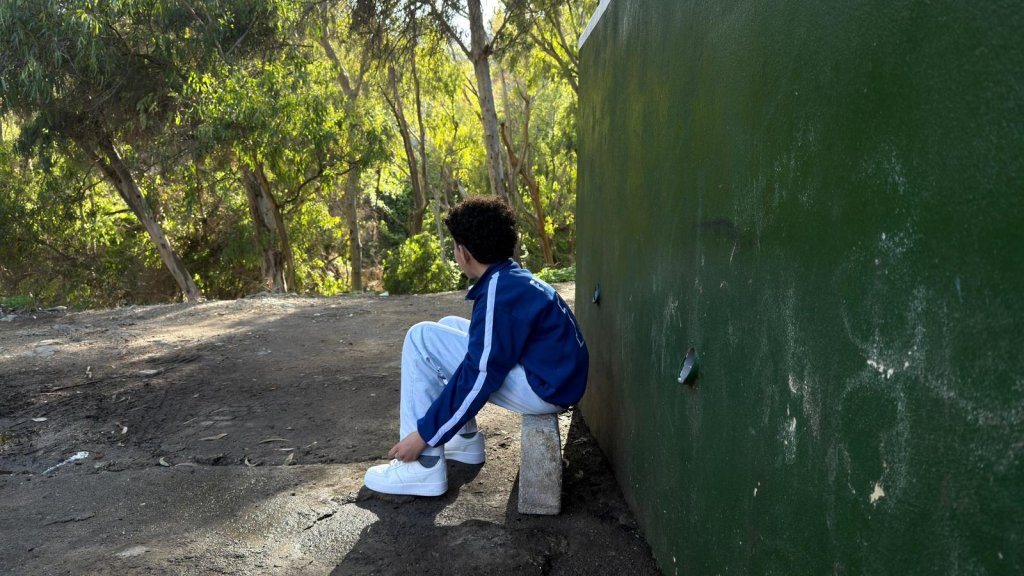
At 17, the family’s oldest son had already attempted the crossing in July, without telling Meriem before he left. The second son, Mohamed, wanted to leave too. After an initial failed attempt, he begged his mother every day to let them try again. One morning on October 12, she finally gave in.
"I saw there were no police officers, so I put my son in an inner tube, and I pushed him while swimming. That’s how it happened," she said. After swimming for an hour and a half in rough waves, the mother and son finally reached the Spanish territory. "I was very scared, but I had no choice."
'We don’t publish difficult moments' on social networks
Increasing numbers of migrants in recent years have been documenting their journeys and sharing them on social media. Videos posted on TikTok with the hashtag "Harragas" [the word literally means "to burn", alluding to the migrant’s practice of burning their identity papers, editor's note] or "Ceuta" abound. They show seemingly effortless journeys with smiling youth who arrive on beaches or walk in the streets of the Spanish enclave. The clips are typically set to triumphant music which plays in the background.
"Today, it’s sensational and glamorous to make the crossing. People show their exploits on social media, even if it means masking reality. Those who stay behind witness the 'success' of others on their phones, and ask themselves why it can’t be them," said Ali Zoubeidi, a specialist on immigration based in Morocco in October 2024 to InfoMigrants.
Moroccan authorities detained more than 150 people during this period for alleged incitement to illegal immigration.
Yet the photos posted online mask a darker reality: that of a crossing which remains extremely dangerous, with a high risk of hypothermia or drowning. Dozens of people have died while trying to reach the enclave in recent years.
Many have also experienced injuries, especially after trying to jump over the 12-meter-high and eight-kilometer-long barrier separating Ceuta and Morocco. Others experience trauma after their sea crossing to reach the city.
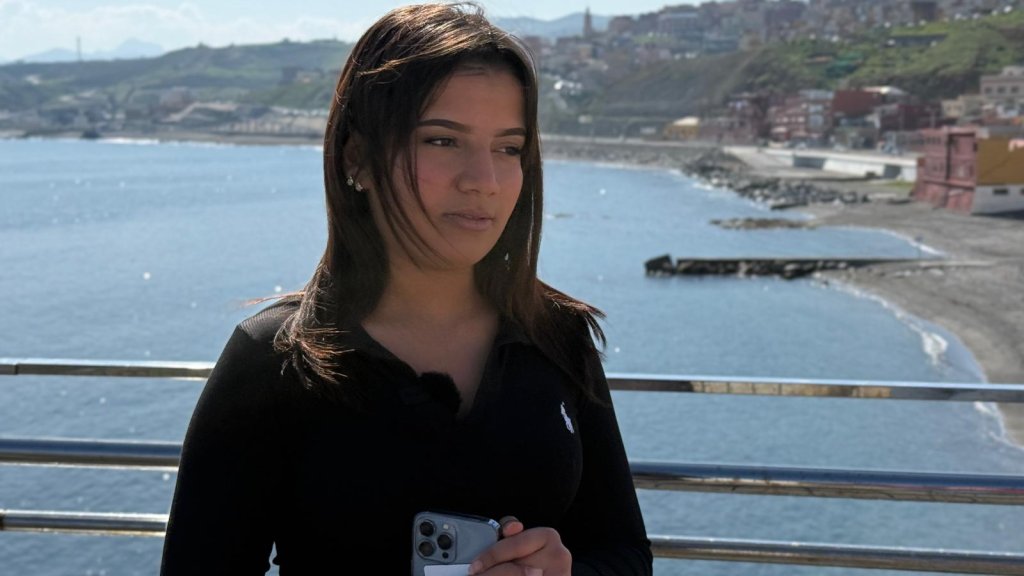
None of these consequences appear on TikTok, Facebook or Instagram. "We don’t publish the difficult moments; we keep them to ourselves," said Mohamed.
For Meriem and Khadija, the situation is also more complex than it appears. Every time she watches the video of her arrival in Spain, Meriem can’t hold back her tears. She had left her husband and two youngest children in Fnideq and she doesn’t know when she will see them again. "It’s very difficult to be far away from them," she said while crying.
As for Khadija, she didn’t even think of the "after" portion of her journey. Her exhilaration had been replaced by worries. "Ceuta represented 'la vie en rose' [literally means life is rosy or seeing life through rose-tinted glasses, an idealized version of reality] for me. I would do it again if I had to, but I also have regrets. I miss my mom and it’s not as easy as it appears," said the young woman.
*The people interviewed didn’t wish to provide their surnames.