
Since the beginning of the year, migrant arrivals have skyrocketed in Ceuta. The Spanish autonomous city located in northern Morocco received 1,604 people between January 1 and March 15, compared to 266 during the same period in 2025. The Spanish enclave has thus become the primary entry point for migrants into Spain, ahead of the Canary Islands.
Kabirou Adamou Daouda sports a broad smile, despite his swollen ankle that makes him limp. This 23-year-old from Niger broke his foot while climbing the barbed wire separating Morocco from the Spanish enclave of Ceuta, using hooks. "I fell on the Spanish side after climbing the barrier," he explains, showing his swollen ankle.
Kabirou Adamou Daouda has lost count of the number of times he has tried to reach this Spanish territory, one of the few land borders—along with Melilla—of the European Union (EU) on African soil. "In a year and a half, I tried about 40 times to enter Ceuta," he says, after a few moments of reflection. On several occasions, the young man was spotted by Moroccan forces and sent to the desert areas in the south of the country. Until January 3, 2026, when his last attempt was successful.

This man's story is similar to that of thousands of other migrants. That March afternoon in front of the CETI (Temporary Reception Center for Immigrants), the only reception center in the enclave, many people were injured after climbing the double fence a few weeks earlier. The fence can reach up to 12-meters high and is eight kilometers long. The migrants' bodies bear the marks of a wall that is difficult to cross: scars on their hands, arms, and legs, and wounds on their feet.
In Ceuta, it's hard to miss these barbed wire fences, disfiguring the landscape. The autonomous city is encircled by the fencing, which begins in the mountains and extends to the seawalls that plunge into the Mediterranean Sea.
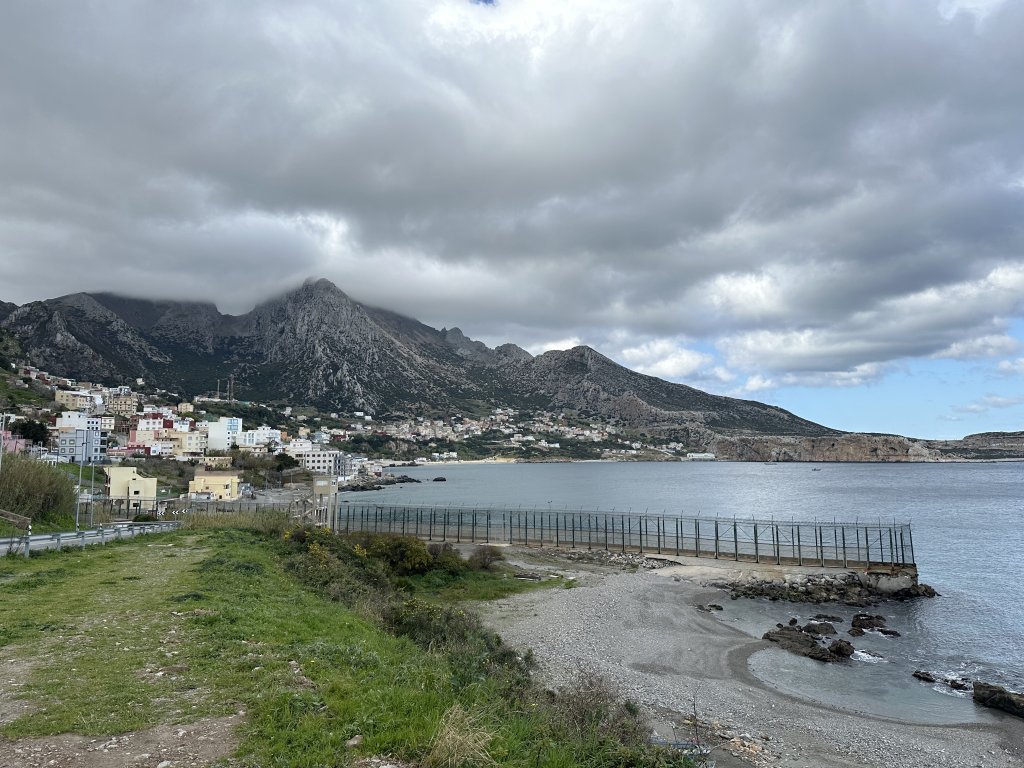
To circumvent the militarization of this border, constantly monitored by Moroccan and Spanish guards, migrants are also trying to enter the enclave by swimming from the nearby town of Fnideq (south of Ceuta) or Benzu (north of Ceuta), at the cost of several hours of effort. "I swam for two and a half hours from Fnideq; it was very difficult because the sea was rough," Abdenour Arasta, an 18-year-old Sudanese man, told InfoMigrants, sitting on a bench in front of the CETI. The young man arrived in Ceuta on March 6 after about 10 attempts.
'Ceuta is, this year, the primary entry point into Spain'
"In recent months, the migratory pressure on Ceuta has been enormous," Rachid Sbihi, Secretary General of the Unified Association of Civil Guards (AUGC) in the city told InfoMigrants. Since the beginning of the year, migrant arrivals have exploded in the enclave, exceeding those recorded in other Spanish territories. Between January 1 and March 15, 1,604 migrants arrived in Ceuta, compared to only 266 during the same period in 2025, according to figures from the Ministry of the Interior. This represents a 500 percent increase. The majority of these migrants come from Morocco, Sudan, and Guinea.
The number of arrivals even surpasses that recorded in the Canary Islands, the main route to Spain in recent years. Since January 2026, the Spanish archipelago has recorded 1,334 arrivals (down 85 percent), 270 fewer than in the enclave. "Ceuta is, this year, the primary point of entry into Spain," Rachid Sbihi added.
"And these figures don't include those prevented from crossing. But every day, migrants try to enter Ceuta by land or sea," continues the union representative. On March 12, the InfoMigrants team witnessed the return of two migrants intercepted by the Spanish coast guard off the Moroccan coast.
"We’ve been completely abandoned by the government to manage this influx. We’re demanding additional reinforcements and better equipment, but no one is responding to our requests," Rachid Sbihi said.
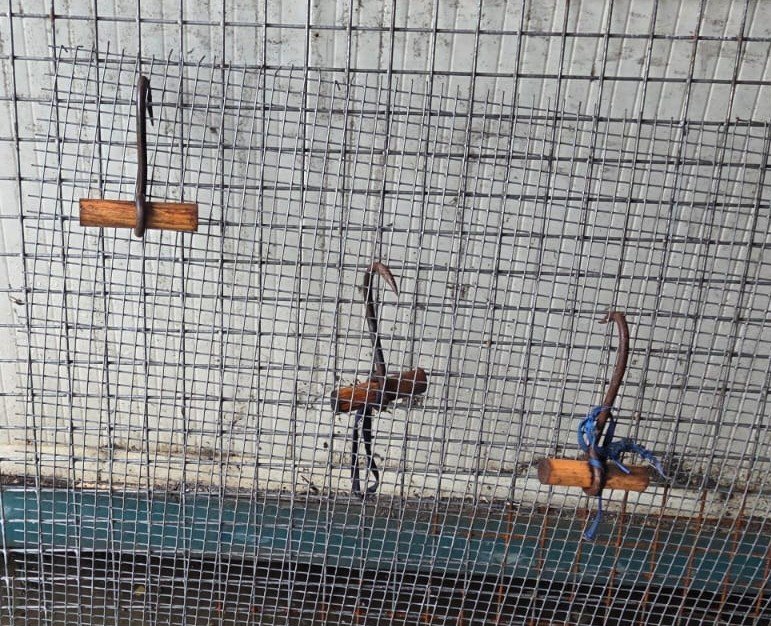
Over time, the migrants have learned to circumvent the surveillance systems. They know that when they touch the fence, three seconds pass before the authorities are warned of their presence. "They climb using hooks to go faster, and scale both fences in just 30 seconds," the union representative explained, taking one of the hooks used by the migrants out of his car trunk.
At sea, too, the migrants have adapted to avoid the increased controls. Crossing attempts are most often made during bad weather. When it rains, the cameras on board the coast guard vessels fail to detect people at sea, who can reach the enclave more discreetly without being turned back, but simultaneously risking their lives.
In 2025, at least 40 migrants died attempting to reach the Spanish enclave by swimming, equipped with wetsuits and fins. A record. And since January, there have already been nine deaths at sea or near the barrier.
'Human rights exist here'
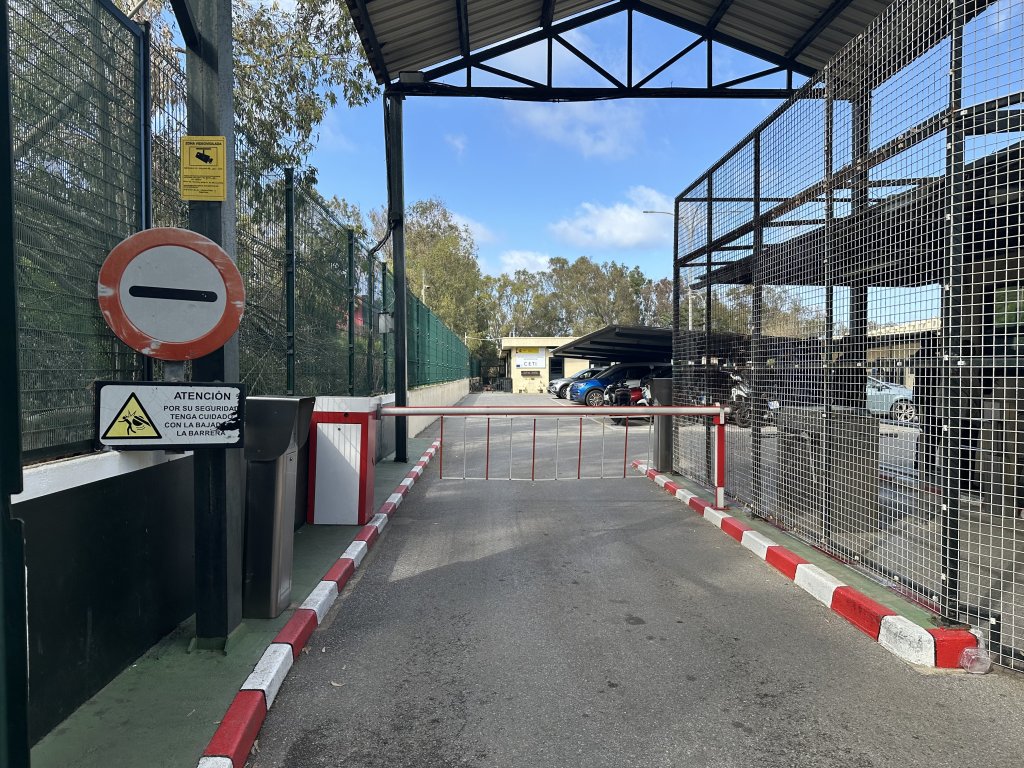
This increase in arrivals is straining the enclave's reception facilities. Currently, more than 800 migrants are housed in the CETI, which has a capacity of 512. In mid-February, there were approximately 1,000 people crammed into the center.
To accommodate the migrants, four rooms in the CETI, usually reserved for Spanish language classes or NGO activities, have been converted into dormitories. At the height of the occupation in February, around 200 people were even housed in the garage.
But the overcrowding in the center doesn't seem to be affecting the morale of those housed there. "We sleep well, we eat well, and here there are human rights, unlike in Morocco," Kabirou Adamou Daouda said. He told InfoMigrants he has been assaulted several times by Moroccan police. "In the center, the situation is good, we are safe," Abdenour Arasta added.
These migrants, who have lived for months or years on the road in precarious conditions, feel that the worst is behind them. Regardless of their daily lives in the Ceuta center, they believe they have achieved their goal. "We’re happy to be here and to have succeeded" in setting foot on European soil, Kabirou Adamou Daouda proudly summarized.

And he had good reason to be happy: the very next day, he was sent to a center on the peninsula by the Spanish authorities along with 17 other migrants.
On average, migrants stay between one and three months in Ceuta. Every week, Madrid organizes transfers from Ceuta to other Spanish regions to relieve overcrowding in the enclave. That week, 68 migrants were thus sent to the mainland.
When he arrives at the port for his transfer, Kabirou Adamou Daouda shares his joy. Just like the day before, his face was lit by a huge smile. For the occasion, the Nigerien has bought a new cap and trousers. "It's a great day today," agreed Mohamed (who declined to give his last name), an 18-year-old Guinean, standing beside him. For the first time, these men are legally setting sail on a ferry and will disembark safely on the European continent.
*The authorities in Ceuta did not respond to our requests for comment.