
Germany’s refugee population has declined slightly for the first time in over a decade, according to new government data. Officials cite fewer arrivals in Europe, stricter border controls, and rising naturalizations among long-term residents as some of the contributing factors.
The number of people living in Germany with protection status fell slightly in 2025, marking the first decline since 2011, according to government figures.
As of December 31, about 3.53 million people seeking protection were living in the country, about 17,000 fewer than a year earlier. The decrease means that more people died, left Germany, were deported, or obtained German citizenship than newly arrived asylum seekers during the year.
Among those counted were around 1.33 million war refugees from Ukraine and nearly 707,000 people recognized as refugees under the Geneva Refugee Convention. The figure also includes people with ongoing asylum claims, individuals granted subsidiary protection, and rejected asylum seekers, among others.
Read AlsoGermany stands firm on revoked Afghan promises amid lawsuits and Taliban crackdowns
Fewer arrivals and tougher border controls
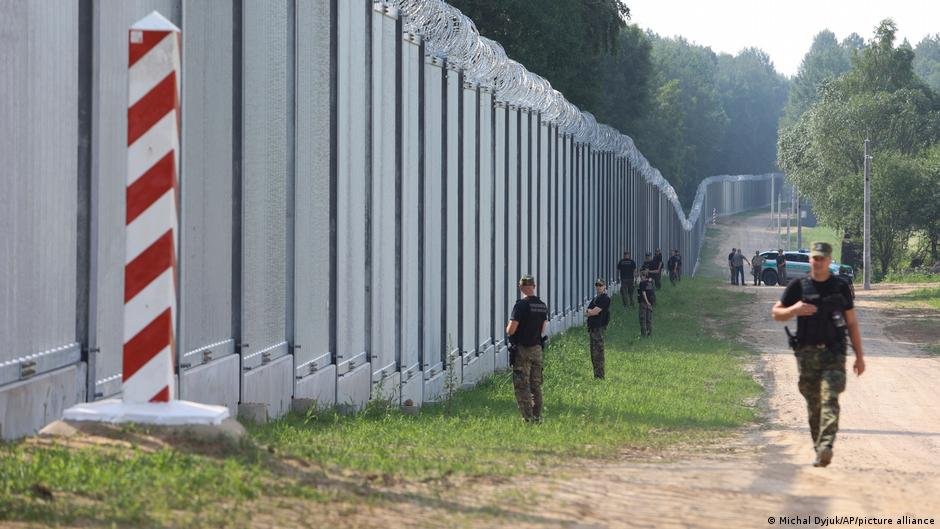
Officials attribute the decline partly to fewer people seeking protection across Europe in recent months. Germany has also tightened its border policy, introducing controls at all of its land borders and increasing inspections, even though such checks are generally not foreseen within the Schengen area.
In May, German Interior Minister Alexander Dobrindt ordered that asylum seekers should generally be turned back at the border, further limiting entries. At the same time, deportations increased. German authorities carried out 22,787 deportations in 2025, up from 20,084 the previous year.
Clara Bünger, interior policy spokesperson for the Left Party, criticized the decline in refugee numbers, arguing it reflects increasing barriers for asylum seekers on a European level.
“Fewer and fewer people in need of protection are managing to get across the heavily fortified and externalized EU external borders,” she said.
Impact of citizenship and changing political landscape
Another factor behind the decline is that many refugees who arrived years ago now qualify for German citizenship, the German news agency dpa reported. A reform shortened the waiting period for naturalization from eight to five years, meaning some people who had previously been counted as refugees no longer appear in the statistics once they become citizens.
Political changes abroad have also played a role, with the overthrow of Syria’s long-time ruler Bashar al-Assad in December 2024 and shifting migration patterns have influenced refugee flows. Venezuelan migrants, for example have also typically selected Spain rather than Germany thanks to shared language and liberal migration policies.
Read AlsoDiscrimination is a widespread phenomenon in Germany
Ukrainian arrivals fluctuate
Refugees from Ukraine continue to make up the largest group among those under protection in Germany. They are admitted into the European Union under a temporary protection directive that grants residence and work permits without an asylum procedure, currently valid until March 2027.
After Ukraine allowed young men up to age 22 to leave the country in 2025, Germany saw a brief rise in arrivals in early autumn. In September alone, authorities registered 30,882 Ukrainian entrants, including 10,307 men aged 18 to 22. The numbers dropped again in the following months.
Toughening stance on humanitarian migration
Germany’s current coalition government has also signalled a tighter approach to humanitarian migration. The government has agreed to end humanitarian admission programs where possible and not establish new ones, meaning that only a small number of resettlement refugees, including people from Sudan and Eritrea whose cases had already been processed, have recently been admitted.
Meanwhile, about 232,000 people were living in Germany at the end of 2025 despite being required to leave the country, up from around 221,000 a year earlier. Many of those affected come from Turkey, Iraq, or Afghanistan.
With DPA