
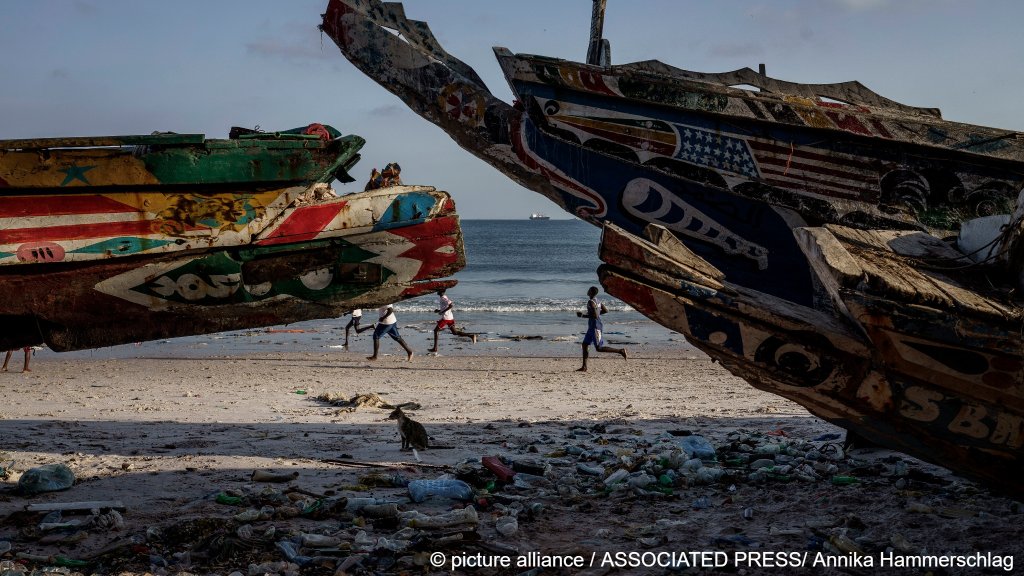
The Senegalese Navy announced on Thursday that it rescued 139 migrants off the coast of Senegal. The boat the migrants had been on had been drifting for days. One body was also recovered from the boat.
"The boat set off from the Gambia, and they said they had been 11 days at sea," said a spokesperson for the Senegalese Navy in a statement. A total of 139 migrants were on board the traditional wooden fishing boat, known as a pirogue, and the authorities also found one dead body on the craft.
According to information from the naval statement, reported by the French news agency Agence France Presse (AFP), the irregular migrants on board have been taken to a naval base in the Senegalese capital Dakar.
They added that they had found the craft "drifting off shore" on Wednesday (March 4), reported the local news website Seneplus. Those on board, added the news portal, were said to be "exhausted" as they had run out of food and water. They were given help at the naval base. The Senegalese navy will now proceed with the identification process, the news outlet added.
Dangerous route
Thousands of Africans, many of them young, attempt the crossing towards the Spanish Canary Islands archipelago each year. Increasing controls off Mauritania, Morocco and Senegal, previously favored points of departure for these crossings, have pushed the departure points further south, from countries like the Gambia and Guinea.
This involves even longer journeys at sea and heightens the risks of the crossing, which are great, still further. Even among those who do survive, the reports of seeing ghost ships along the way, empty wooden boats, drifting with bodies, or empty are frequent.
Many who attempt the crossing run into engine trouble, meaning they are at the mercy of currents and weather. Some boats have drifted so far off course that they have ended up in the Caribbean or Brazil, with all those still on board found dead.
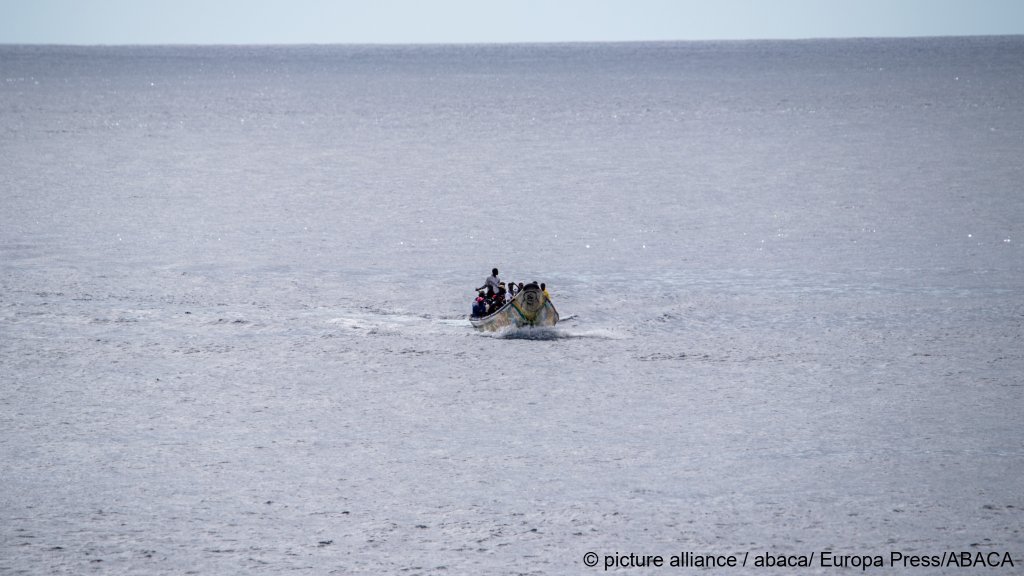
The risk of thirst, exposure to the elements, storms, lack of food and getting lost en route are common elements of the Atlantic crossing. Especially now that the naval controls have been strengthened. Previously, the pirogues attempted to stay close to the shore for as long as possible before embarking on the shortest sea corridor possible towards the Canary Islands.
Now, they push out to sea much earlier, in the hope of avoiding patrol boats, but there, the boats and those on board are much more exposed to all the dangers that await them on this vast ocean.
Arrivals in Spain
According to UNHCR data, last updated at the end of February, just 1,274 migrants have arrived on the Canary Islands from West African departure points since the beginning of the year. This is fewer than those making the crossing towards southern Spain and the Balearic Islands. Overall, 4,520 have arrived in Spain by various routes since the beginning of 2026.
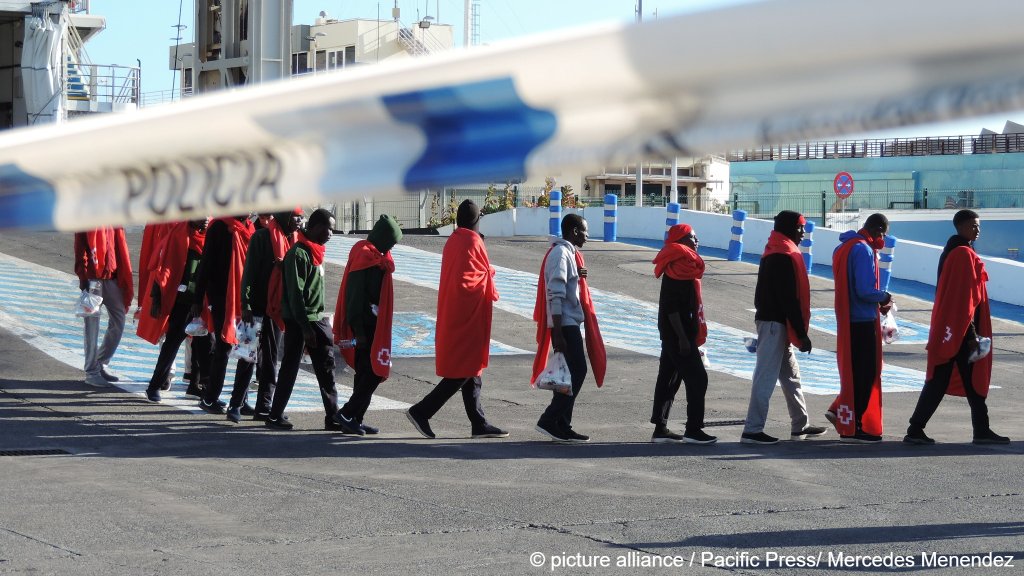
Last year, 17,788 migrants arrived via the Atlantic route to the Spanish Canary Islands and a little more (17,993) arrived on the Western Mediterranean route to southern Spain and the Balearic Islands.
During 2023 and 2024, however, more than 80,000 migrants arrived via the Atlantic route to the Canary Islands alone. 46,843 in 2024 and 40,330 in 2023.
With AFP and APA