
Three former workers at a center for young migrants in Tenerife, in the Canary Islands, have been taken into custody for the alleged mistreatment of minors, Spanish police announced on Tuesday. The facility is run by the organization Quorum Social 77, which operates several facilities housing minors who arrive in the archipelago after crossing from West Africa.
Police in Spain’s Canary Islands raided a reception center for juvenile migrants in Puerto de la Cruz, on the island of Tenerife, leading to the arrest of three former employees, local Spanish media reported on Tuesday (March 3).
The center is run by the NGO Quorum Social 77, which operates several facilities housing minors who arrive after crossing from mostly West Africa. The law enforcement operation forms part of a broader judicial inquiry, “Operation Cábila,” overseen by a court dealing with violence against children in Las Palmas de Gran Canaria.
Authorities say the investigation began in September 2024 after concerns were raised by the Canary Islands’ child protection services. Complaints from children living in the Puerto de la Cruz facility in April 2025 alleged mistreatment by staff members. The three detainees had previously worked at the center but were no longer employed at the time of their arrest.
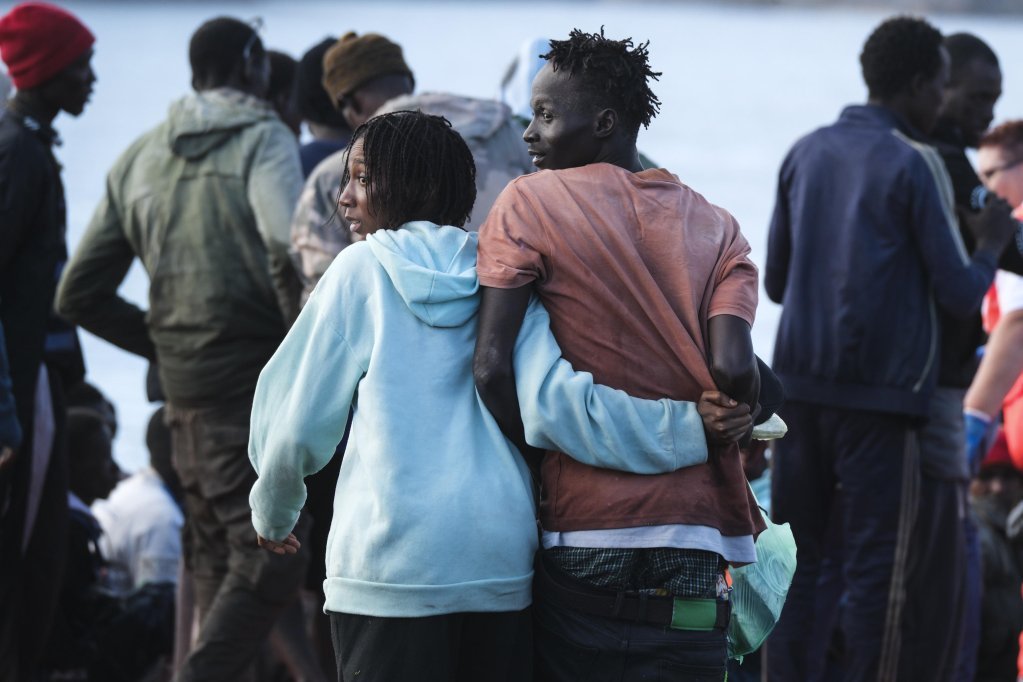
Quorum Social 77 has become one of the most prominent organizations responsible for caring for unaccompanied migrant minors in the Canary Islands. Since 2020, it has reportedly received more than 200 million euros in public funds to operate dozens of centers for children arriving by boat from Africa. The organization reportedly cares for roughly a third of the region’s migrant minors -- close to 2,000 young people.
The scale of its role in the reception system has placed the NGO at the center of the current controversy. Investigators are examining allegations of physical violence, coercion, threats and possible hate crimes committed by staff members against minors in several facilities.
Allegations of a panic room for misbehaving children
The organization’s leadership has acknowledged that incidents have occurred but maintains that it has responded appropriately. According to statements reported in Spanish media, last year, the NGO’s president, Delia García, acknowledged limitations that include housing adult migrants -- some with criminal records -- with migrant juveniles under guardianship, but has claimed that these conditions are known by rights organizations including Amnesty, which conduct frequent inspections of the facilities.
Despite the investigations, regional authorities have not yet removed the organization from managing the centers. Officials say any further action will depend on the outcome of ongoing judicial proceedings, although critics argue that continuing contracts in the meantime may put children at risk.
Reports by the Spanish newspaper El País describe allegations by several teenagers who claimed that staff used violence and isolation as forms of punishment.
In one center in northern Tenerife, adolescents described a room they referred to as the “panic room,” where children who misbehaved were allegedly locked in isolation. According to their testimonies, minors could spend up to a week inside the room, under constant surveillance and with limited contact with others. Meals were sometimes brought to them there, and they were forced to remain confined to the bed or floor for extended periods.
Former employees have also alleged that the centers sometimes hired staff without appropriate qualifications for working with vulnerable children. Some workers reportedly came from backgrounds such as nightclub security, raising concerns about whether personnel were adequately trained to care for minors who had already endured traumatic migration journeys.
Human rights groups have argued that these allegations highlight systemic problems within the reception system rather than isolated misconduct. The Canary Islands currently host thousands of unaccompanied minors, and the rapid expansion of facilities during migration surges has been criticized for prioritizing capacity over oversight and training.
Read AlsoSpain: Canary Islands must transfer 15 migrant minors a day to meet legal deadline
Arrival of juvenile migrants in Tenerife
The crossing on the Atlantic Route, which covers Western Africa and the Canary Islands, is considered to be one of the most deadly sea migration routes to Europe. People who attempt to cross report facing off rough seas, strong winds in nothing but wooden boats that are unsafe for sea travel but also overcrowded. Violence at the hands of traffickers both before and during the sea journey is common.
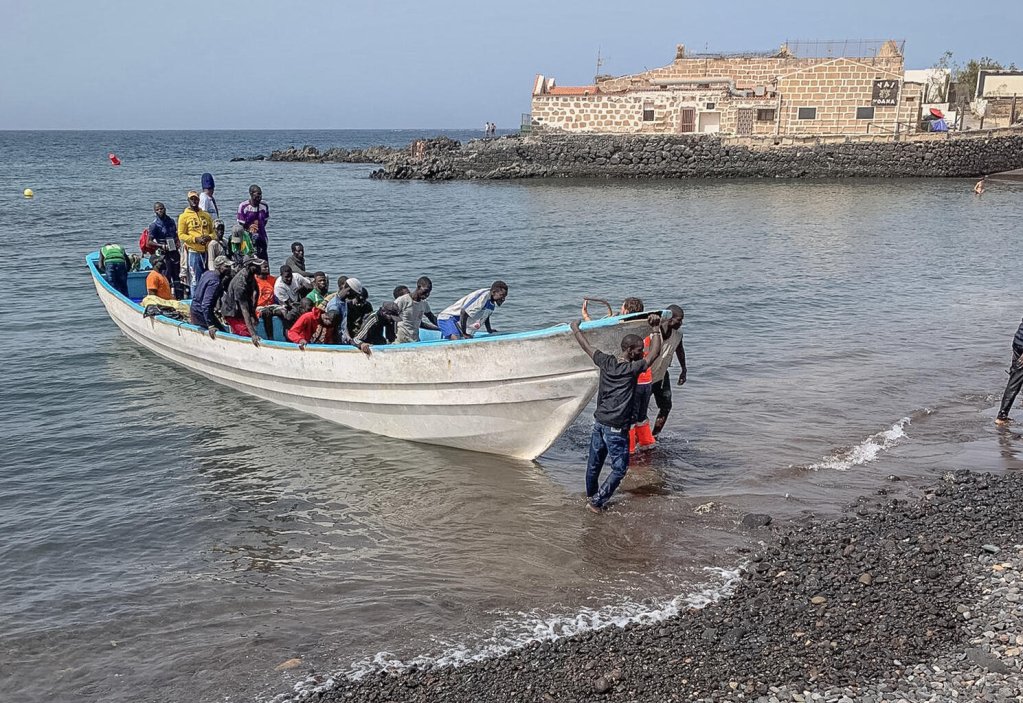
Meanwhile, crossings on the Atlantic route have declined significantly. While official figures show that more than 40,000 migrants arrived on the islands in 2024, the number dropped to around 18,000 a year later. The arrival drops have been attributed to increased cooperation between Europe and traditional transit countries like Mauritania and Morocco, as well as stricter border controls in these countries.
Read AlsoMigrants from Africa brave deadly Canary Islands crossing
Not an isolated case
The Quorum Social 77 case is not an isolated one. Over the past year, judges ordered the closure of other reception centers managed by the same organization in Santa Brígida and Arinaga, which together housed nearly 200 migrant minors. Police have also searched additional facilities linked to the organization, and earlier operations led to the arrest of other employees suspected of abusing children.
While authorities say the center in Puerto de la Cruz continues to operate and currently houses around 130 minors, the ongoing investigation has intensified scrutiny of how unaccompanied migrant children are treated in reception systems across Europe.
A study by the NGO Save the Children released last year show that for many migrant children, violence begins even before they are admitted into Europe. Many underage migrants describe their experiences at Europe's borders as being characterized by pushbacks, detention, violence.
Collectively, the testimonies show that refugee and migrant children arriving in Europe face systematic abuse, violence, detention, unlawful pushbacks and misidentification as adults, Save the Children said in a press statement.
Save the Children warned that increasingly restrictive migration policies across Europe could make the situation of juvenile and child migrants even worse.