
The German Association of Judges (Deutscher Richterbund) says that the number of appeals against asylum refusals doubled between 2023 and 2025.
More and more asylum seekers, who have had their claims refused, are taking their appeals to court, report several news agencies, including epd and AFP on Wednesday (March 4). The information was released by the German Association of Judges (Deutscher Richterbund) and published in the Deutsche Richterzeitung monthly publication.
In 2023, 71,885 asylum seekers took a claim to court after being refused asylum, reported the Funke Mediengruppe. In 2024, the number of claims rose to 100,494 and by 2025, that figure stood at 143,221.
"These record numbers of incoming cases and ever-increasing file volumes must be a wake-up call for politicians to finally change course," Sven Rebehn, the director of the German Association of Judges, told Funke Mediengruppe.
Read AlsoGerman Parliament agrees to implement Common European Asylum Policy, tightening rules still further
A 'crisis' in the German justice system?
There are not enough state prosecutor and the administrative courts (Verwaltungsgerichte), where these appeals take place, are currently classified as the "second biggest sticking point in the German justice system," reports epd.
In September 2025, the Association of German Judges said that its state prosecution system (Staatsanwaltschaften) was "at its limits."

More recently (February 10, 2026), the association said that the crisis was getting worse, with fewer people showing respect for judges’ decisions and increasing "aggression" directed at personnel in the justice system. At the beginning of this year, there were around one million outstanding cases in total (not just linked to migration) to be processed, stated Rebehn.
All this is having an effect on Germans' trust in and contentment with the justice system, show recent studies. Four out of five people who answered questions for an annual study conducted by the private opinion and market research Allensbach Institute criticized the justice system and said that cases were taking "far too long," said Rebehn.
This can have a significant effect on the idea of a democratic state in Germany, since trust in politicians and the justice system are two pillars of democracy and the rule of law, the German Judges Association added.
Read AlsoGermany: Top court rules deportation possible even for those holding protection in Greece
Aim of reducing case time 'still very far off'
In 2023, Germany’s state premiers declared that they aimed to speed up claims against refused asylum claims, tying them up within six months maximum. Rebehn told the press that achieving this aim is "still very far off."
In reality, courts in most German states are taking around double the stated aim of six months and in Berlin and the state of Hessen, where Frankfurt is the state capital, claims can last more than 16 months, reported epd.
Another German state with many outstanding claims is Baden-Württemberg, reports the French news agency Agence France Presse (AFP). There, in the same two years (2023-2025), claims against asylum refusals rose by 162 percent. In Saxony, that figure rose by 155 percent, in Bavaria by 142 percent and in Brandenburg by 131 percent.
Germany’s most populous state, North Rhine-Westphalia, presented a slight exception to the rule, with just a 56 percent rise in the cases being brought since 2025.
Read AlsoGermany cuts funding for integration of refugees
Changes in BAMF process may have also affected increase in appeals
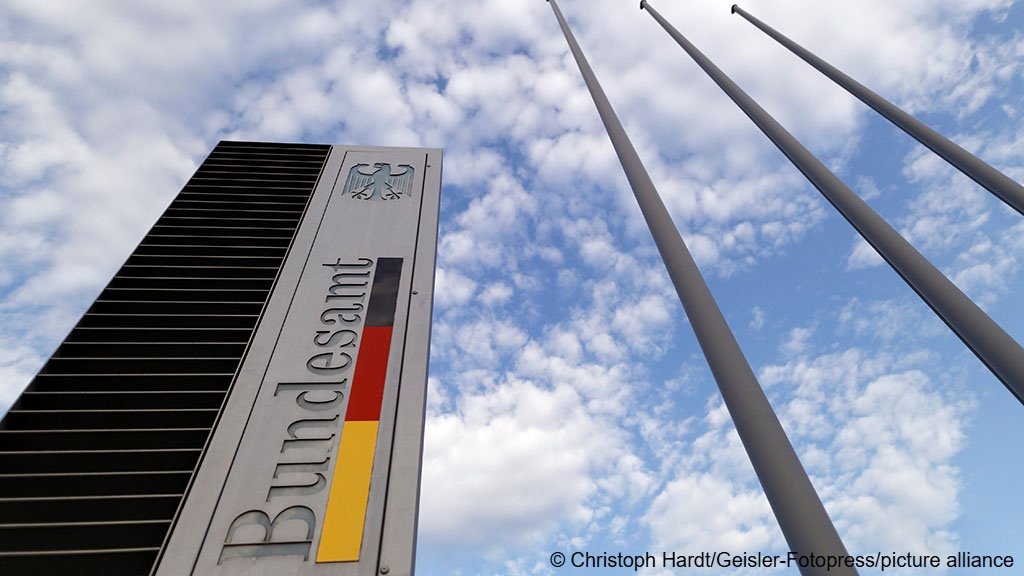
One of the reasons behind the increase in claims might be that Germany’s Federal Bureau for Refugees and Asylum (BAMF) has increased the speed of its decisions since 2023, reported AFP.
The number of asylum claims being refused has also increased compared to that of years prior to 2023.
However, despite the increased speed, it still takes on average 11 months in Germany for BAMF to issue its first decision on the asylum claim. However, some are now decided within three months, stated BAMF.
With epd, AFP