
According to the German Interior Ministry, the group of 20 had been convicted of crimes including assault, sex crimes, and drug-related offenses.
The German government deported 20 Afghan nationals who were convicted of crimes to Afghanistan on Thursday morning (February 26).
According to the German Interior Ministry, the group of 20 had been convicted of crimes including assault, sex crimes, and drug-related offenses.
In a statement, German Federal Interior Minister Alexander Dobrindt said, “The deportation of criminals is a key component of control, direction, and a clear stance in migration policy. Our agreement creates a reliable basis for direct and permanent deportations to Afghanistan. Our society has an interest in criminals leaving our country. That is why we are acting decisively and expanding deportations step by step.”
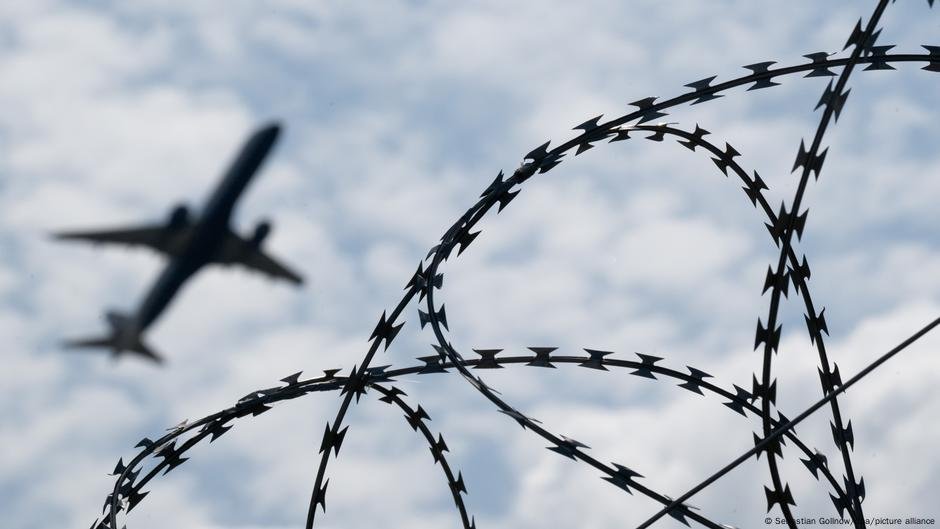
The chartered flight reportedly took off from Leipzig/Halle Airport directly to Kabul, Afghanistan. All of the 20 passengers were males who had enforceable deportation orders and were legally required to leave the country.
German public broadcaster DW reported that a 22‑year‑old was convicted of involvement in a high‑profile group sexual assault on a minor in Illerkirchberg in 2019. Others were reported to have been previously imprisoned for sex crimes against minors, violent assaults, including attacks on law enforcement officers, and aggravated robbery. Another had seriously injured a train driver in the Erzgebirge region in 2023.
The deportation marked the first direct repatriation flight to Kabul arranged without mediation by a third country, such as Qatar, under a new operational arrangement between Berlin and the de facto authorities in Kabul.
Read Also
Germany winds down Afghan admissions, 280 waiting in Pakistan
Controversial shift to negotiate with the Taliban
The deportation flight follows Berlin's policy shift to resume direct removals of Afghan nationals convicted of crimes, which had largely been paused since the Taliban's return to power in 2021. After negotiating with Afghan authorities, including months of technical talks in Kabul, Berlin reached an arrangement allowing such returns without third‑country intermediaries.
The move of directly engaging with the Taliban alarmed experts and human rights groups who claim that the move by Berlin could signal the normalization of ties with the Taliban, with other EU countries following suit.
Additionally, asylum advocates argue that Afghanistan remains unsafe, pointing to ongoing conflict, instability, and pervasive human rights abuses, especially against women and minorities.
Data from the Asylum Information Database Agency (AIDA) indicate that as of January 2025, Germany had 36,578 pending asylum applications from Afghan nationals. About 14,427 were granted refugee status, while 10,866 were given a negative decision.
Read AlsoGermany: Afghanistan's consulates pose threat to refugees
A graveyard for human rights
In his remarks to the Human Rights Council yesterday, United Nations High Commissioner for Human Rights, Volker Türk, said that he was "disturbed by reports that several more countries are taking steps to return Afghan refugees involuntarily."
Turk strongly condemned the situation in Afghanistan, describing the country as “a graveyard for human rights” and spotlighting the deepening repression under the de facto Taliban authorities since their return to power in 2021.
Afghanistan under the Taliban remains one of the world’s most repressive states, according to multiple international human rights reports. The regime has imposed expanded use of corporal punishment, introduced severe criminal penalties, including the death penalty, for an increasing range of offenses, and has constrained basic freedoms, especially for women and girls.
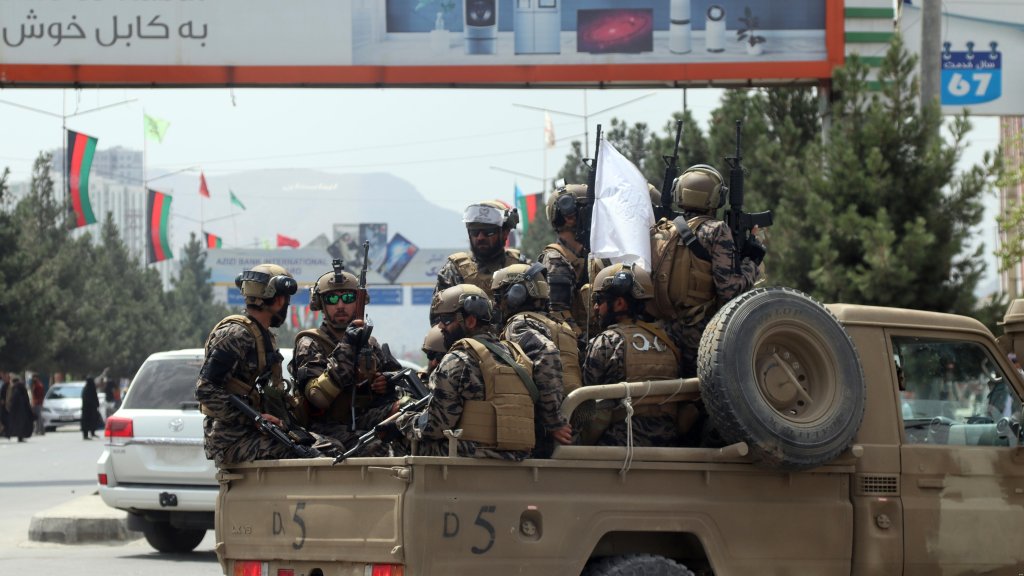
Citing a joint report with the UN mission in Afghanistan released in July last year, Türk said that former government officials and members of the security forces who returned to Afghanistan from Pakistan and Iran were subjected to killings, arbitrary arrests and detentions, torture, and ill-treatment.
"I urge countries to refrain from returning refugees and migrants to Afghanistan without an individualized assessment of their circumstances, to ensure this does not violate their human rights – particularly the principle of non-refoulement," said Türk.
Read Also'The deportation offensive will continue:' Austrian government returns Afghan convict to Kabul