
As more Egyptians attempt dangerous journeys to Europe, families say smugglers are increasingly extorting them for money, threatening migrants' lives while desperation at home drives departures.
Weeks after Hamdy Ibrahim left his village in Egypt's Nile Delta hoping to reach Europe, his brother's phone rang with a chilling message from Libya: pay now or the boy will die.
A smuggler was on the line, demanding 190,000 Egyptian pounds (around 3,300 euros) to secure the 18-year-old's place on a boat, part of a rising exodus that made Egyptians the top African and second-largest global group of irregular migrants to Europe last year.
"I told him we couldn't afford it," his brother Youssef told AFP from Kafr Abdallah Aziza in Sharqiya, an hour's drive from Cairo.
"But he warned: 'Handle it like the other families do. Otherwise he'll be thrown into the sea.'"
Hamdy left in November with a dozen peers, vanishing without a word after contacting smugglers online. Soon, calls poured in from Libya.
Families were told the men would "be slaughtered or thrown into the mountains or sea" if they did not pay, said 55-year-old Abed Gouda, whose brother Mohamed was among them. DW Arabic posted a video on X showing some families now turning to the media to expose smugglers' extortion tactics towards migrants and their relatives.
Borrowing and debts
Desperate parents borrowed heavily, sold gold and gave up what little they had to save their sons. But weeks later, they learned the boat carrying the group had sunk near the Greek island of Crete.
Seventeen people died -- including six from Kafr Abdallah Aziza -- and 15 remain missing, among them Hamdy and Mohamed.
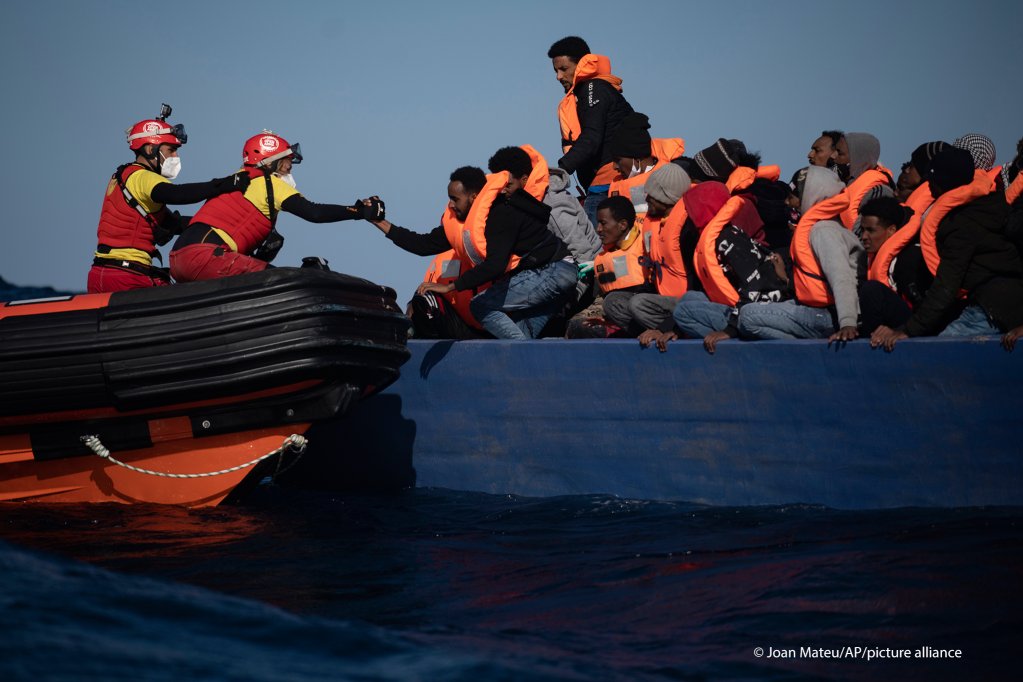
More than 17,000 Egyptians reached Europe via the Mediterranean last year, while 1,328 people of all nationalities died or disappeared on the world's deadliest migration route, according to the European border agency Frontex and the UN.
Egyptians ranked as the second most common nationality among irregular EU arrivals in 2025 -- after Bangladeshis but ahead of all other Africans -- with over 16,000 recorded crossings mainly from Libya to Italy or Greece, according to Frontex and IOM figures.
Around 9,000 landed in Italy by sea and more than 7,000 aimed for Greece via well-established Libyan smuggling networks, despite Egypt's crackdown on its own coast.
Read AlsoEU states press Commission to fund 'return hubs' outside the bloc
Egypt hosts millions amid its own migration crisis
Egypt now hosts more than nine million migrants and refugees -- around nine percent of the country’s total population -- including 958,179 registered with UNHCR as refugees and asylum seekers.
Sudanese nationals form the largest refugee community (1.5 million), followed by Syrians whose numbers rose from approximately 12,800 at the end of 2012 to over 147,000 by the end of 2024.
In recent years, a currency collapse and soaring inflation have deepened poverty nationwide, leaving much of Egypt's more than 50 million people under 30 years old feeling they have no future at home.
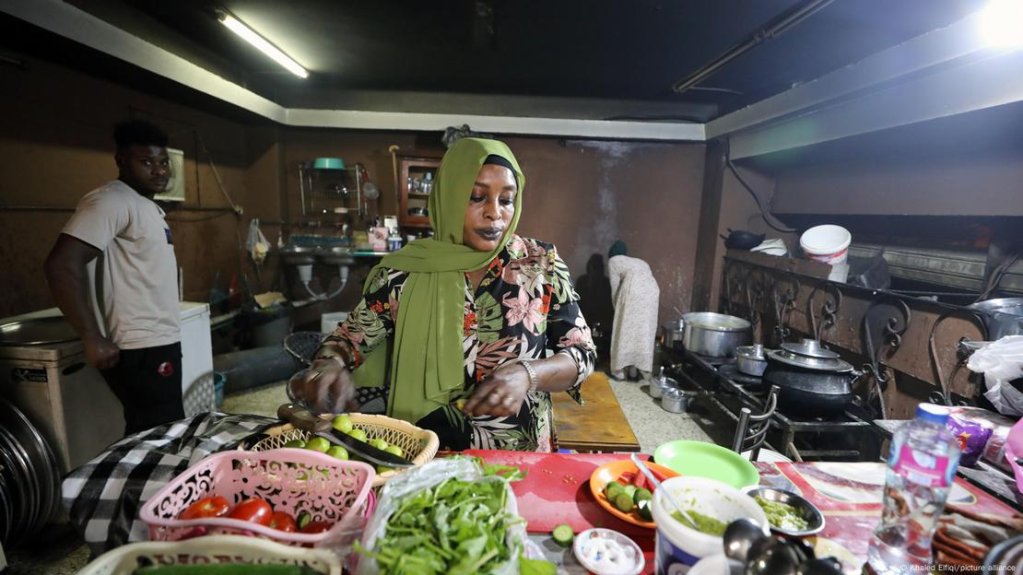
In Kafr Abdallah Aziza, poverty grips a rural region dependent on struggling agriculture: cracked irrigation canals slice through unpaved roads, delivering just a trickle of water to parched fields.
Women haul vegetables on donkey carts that jolt over wheel-trapping potholes, while half-built brick houses dot once-fertile land where families scrape by on small trades or day labor.
AFP reported relatives of the missing crowded a local elder's cramped home, scrolling WhatsApp and Facebook groups rife with blurry photos, unverified lists and rumors.
Read AlsoOver 1.5 million Sudanese fleeing war now in Egypt
Young villagers chase dreams abroad
"Half of our young people are now considering illegal migration," said village pharmacist Refaat Abdelsamad, 40.
Since 2022, the Egyptian pound has lost over two-thirds of its value. Bread prices have tripled and fuel costs have risen four times in two years.
That same year, Egyptians were already among the largest groups attempting irregular migration, with the UN recording more than 21,000 arrivals.
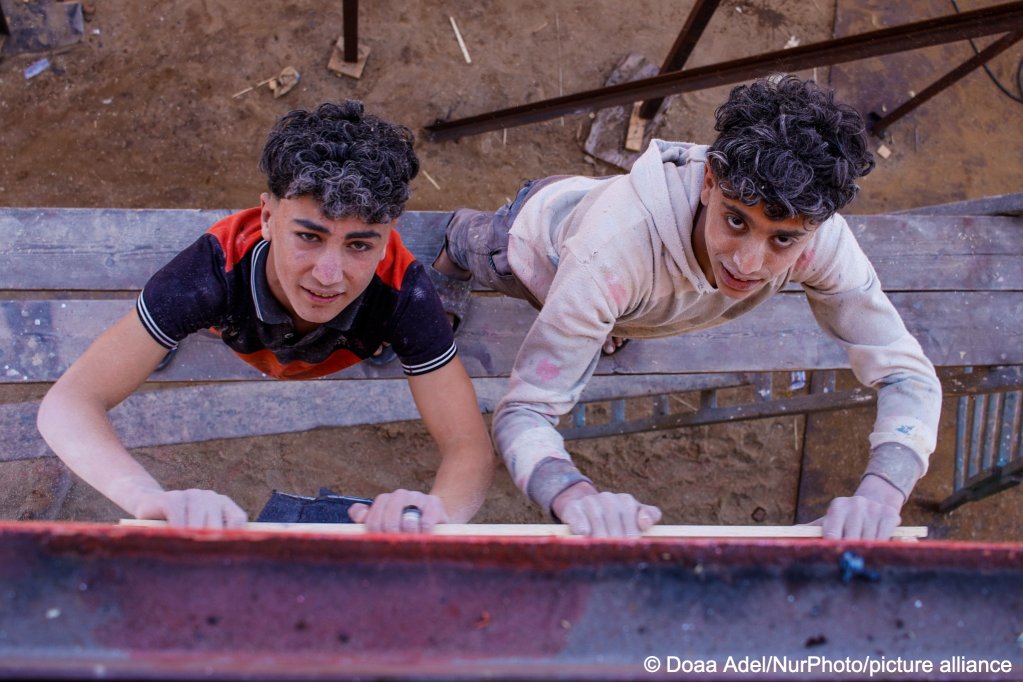
"Desperation and economic deterioration are major factors," Timothy Kaldas, deputy director of the Tahrir Institute for Middle East Policy, told AFP. There is a "lack of hope that things will improve".
Hamdy earned just 500 Egyptian pounds (around eight euros) a week as a plumber. He left, his brother said, because he "just wanted a better life".
Read AlsoWhy are people migrating from Egypt?
Shift to Libya boosts dangers for all migrants
After Egypt limited irregular departures from its own shores in 2016, routes shifted west through Libya, where smugglers move migrants across the desert in minibuses and pickup trucks -- a journey Nour Khalil of the Egypt Refugees Platform calls "more dangerous".
The UN says Egyptians rely on "well-established smuggling networks" that charge high fees while survivors report "arbitrary detention, torture, rape, sexual slavery, starvation and forced labor", according to French charity SOS Mediterranee.
Since early 2017, Egypt has sought to stop departures from its Mediterranean coast, shifting the migration route to the land border with Libya, and from there across the sea. This shift has increased the risks for both Egyptian and non-Egyptian refugees and asylum seekers attempting the journey to Europe.
In 2024, the EU signed a 7.4-billion-euro economic development deal with Cairo, in part to help manage irregular migration.
But Kaldas said border controls miss the root cause: "People need to feel secure in their homes."
Across Egypt, Khalil said migration has become "a widespread goal", even among educated professionals.
"Those who can leave legally do so. Those who can't are pushed into irregular migration, even if the journey carries extreme risks," he told AFP.
Read AlsoEU parliament to harden its stance on asylum seekers
Echoes of past tragedies fuel mixed hopes
In Kafr Moustafa Effendi, families still mourn the dozens of young men who died or vanished in 2023 when a rusty fishing boat carrying an estimated 750 migrants capsized off Greece -- one of the deadliest shipwrecks in the Mediterranean, now the subject of multiple court cases over alleged coastguard negligence.
Islam and El-Sayed, both 18 then, were aboard after their families scraped together 140,000 pounds each, their cousin Abdallah Ghanem told AFP.
"Back then, people caught minibuses to Libya as casually as if they were traveling to another town in Egypt."
Despite the grief, the hopeful cling to success stories.
Construction worker Hassan Darwish left Sharqiya in 2023, believing he had "no future" in Egypt.
Now 24 and living in Rome, he says he earns about 700 US dollars monthly (around 590 euros) while awaiting asylum.
"I saw horrors," he told AFP by phone. "But I'd do it again."
He now supports his mother and sick brother, which "would never have been possible in Egypt".
With AFP