
Germany extends border checks to September 2026 amid falling asylum claims, as ministers defend the controls and eye new EU caps on Schengen suspensions.
Germany will extend temporary border controls by another six months, the Interior Ministry said on Monday (February 16), calling the measures necessary in the absence of a "functional European migration policy."
Spot checks introduced in September 2024 will now remain in force until at least mid-September 2026, after having already been extended twice, Interior Ministry spokesman Leonard Kaminski said.
"Local authorities are still overwhelmed," he said. "We have to do more here so that we get to a situation that is sustainable for our country, for our society."

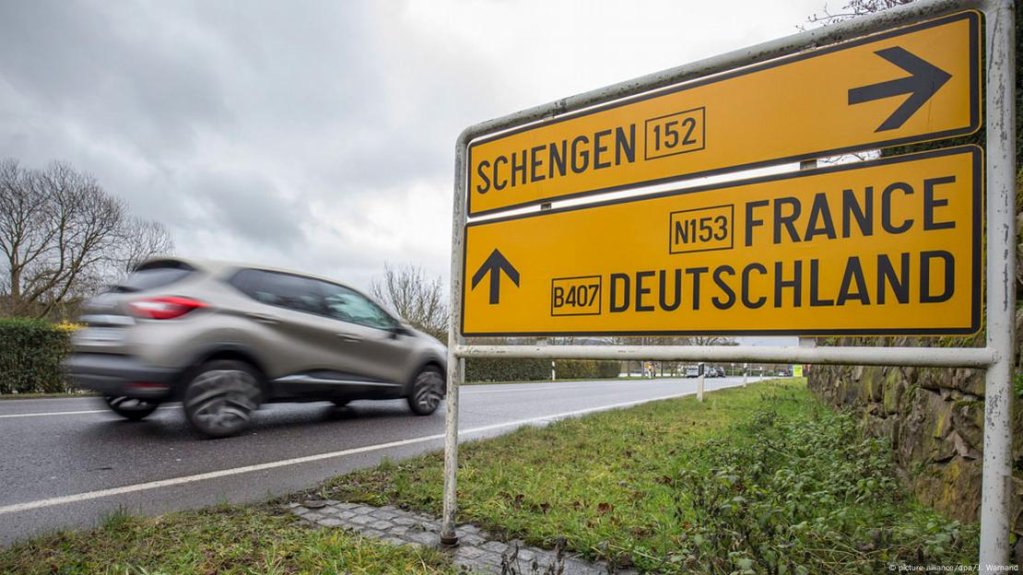
Under the Schengen Agreement covering most of western and central Europe, border checks are meant to have been abolished, with limited exceptions for emergencies.
However, along with several other countries, including neighbors such as Poland and Austria, Germany has reintroduced checks, citing threats to order and security from uncontrolled migration.
Read AlsoEU asylum policy: What changes for refugees in Germany?
Checks continue despite legal challenges
The previous government under center-left social democrat Chancellor Olaf Scholz began the checks in 2024 after a series of deadly attacks by foreign nationals shocked Germany.
Since taking office in May 2025, a coalition led by conservative Chancellor Friedrich Merz has deployed more police at the borders in a bid to turn back greater numbers, deport some convicted criminals to Afghanistan and Syria, and make it harder for family members outside Germany to join refugees within the country, via family reunification programs.
"An overhaul of migration policy has begun, but we haven’t reached the end of the road," Kaminski said. "I cannot give you a specific figure in terms of reductions, but quite simply, there needs to be order when it comes to migration policy," he added.
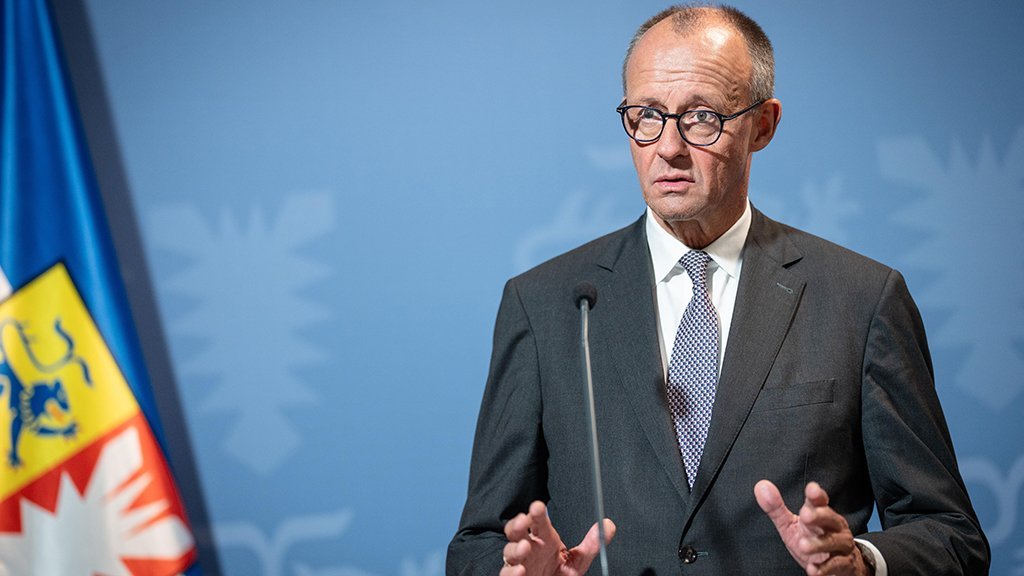
In December, Merz had said he expected the measures to end following European Union action to better police the bloc’s external borders.
Germany has not backed down from the checks despite a court ruling in June that the government broke the law when it sent back three Somali asylum seekers to Poland without considering their claim.
Between mid-September last year and the end of January, almost 50,000 people were sent back as a result of the checks, Kaminski said.
The far-right anti-migration Alternative for Germany (AfD) party is polling roughly level with Merz’s center-right CDU in polls ahead of regional elections in some German states this year.
Read AlsoEU migration pact set to tighten border controls
Brandenburg minister calls for roadmap to end checks
Brandenburg’s SPD (social democratic party) Interior Minister René Wilke has called on the federal government to outline steps toward ending border controls. "Preparations for an exit must begin now," he told the Märkische Allgemeine Zeitung on Tuesday.
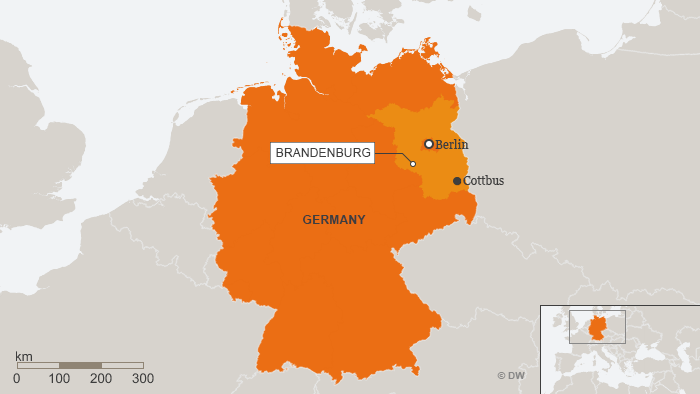
Commenting on Monday’s decision by the Interior Ministry to extend border checks for six more months, until September, Wilke said what mattered most was "how things continue next time."
Federal Interior Minister Alexander Dobrindt confirmed on Monday that the temporary internal border checks would be extended beyond March 15 for another half-year. The formal notification will be sent to the European Commission in Brussels, as systematic internal border checks are generally not foreseen under the Schengen system and therefore require EU approval.
States who implement them have to give grounds for them, which normally revolve around extraodinary threats to internal security, or the threat of terrorism.
Read AlsoGermany: Over 7,600 asylum seekers are registered as 'missing' across the country
Checks largely 'symbolic'
Schengen rules allow temporary internal border checks for up to six months initially, with extensions up to a total of two years under the current code -- though new 2026 reforms aim to cap at one year. Germany introduced the controls at all land borders in September 2024 to control irregular migration.
New EU regulations on migration management are set to take effect in June 2026. The European Commission must soon review if the controls continue to meet bloc rules on proportionality.
The extension has drawn criticism from experts who call the checks largely symbolic amid a sharp drop in asylum claims -- down 30 percent in 2024 to 229,751 first-time applications and plunging to less than half of that (113,236) last year, according to the German Interior Ministry.
The conservative-led government attributes this to tighter policies including border rejections, family reunificiation rule tightening and rising deportations -- up 20 percent -- with Interior Minister Alexander Dobrindt saying the "clear signal" has now reached the world.
However, migration experts point to other factors like the fall of Syria's Bashar al-Assad reducing the number of Syrians seeking asylum alongside broader EU-wide migration trends.
Read AlsoGermany moves to return more Syrians, but Damascus says the country is not yet ready
With AFP and epd