
The UK Home Office confirmed that compensation would be paid, but also said that under expanded provisions of the new Border Security Act, phone seizures have begun at migrant holding facilities, with technology on site ready to download intelligence from seized devices.
Dozens of migrants whose phones were confiscated after they arrived in the UK via the English Channel are set to receive compensation after the High Court ruled that the seizure of their mobile phones was unlawful.
Multiple news outlets reported that the migrants would each receive around 6,587.32 British pounds as compensation (that's about 7,562 euros). However, the exact number of people entitled to compensation remains unclear.
The former Conservative party MP, who recently changed his allegiance to the anti-migration Reform party, Robert Jenrick called the ruling a "farce and total waste of taxpayers' money," reported the right-leaning UK tabloid newspaper The Sun.
The payouts are based on a 2022 judgment by the High Court of England and Wales, which found that the Home Office had acted unlawfully in operating a blanket policy of confiscating mobile phones and SIM cards from asylum seekers arriving by small boat in 2020. The court ruled that the phone seizures violated their human rights and privacy protections.
A spokesperson for the UK Home Office confirmed to InfoMigrants that compensation would be paid but could not confirm how many people were entitled to receive it, or how many additional claims may be processed.
"This compensation is to be paid as a result of the previous government’s policy, which now no longer exists," the spokesperson told InfoMigrants in an email.
"We have introduced tougher legislation in the Border Security, Asylum and Immigration Act, which allows asylum seekers' mobile phones to be legally seized when they arrive in the UK," added the spokesperson.
Read AlsoUK: Irregular migrants and children may be subjected to mouth searches
New powers under Border Security Act
In response to the compensation payments, the Home Office distanced the current government from the policy but defended government's expanded powers under new legislation, saying that the "game-changing criminal offenses will mean organized criminals fuelling illegal migration can be intercepted faster than ever before."
Additional powers introduced under the Border Security, Asylum and Immigration Act 2025, which came into force on January 5, 2026, explicitly allow mobile phones to be seized and their contents searched under certain conditions. Under the Act, devices can be confiscated to obtain intelligence linked to people-smuggling and organized immigration crime.
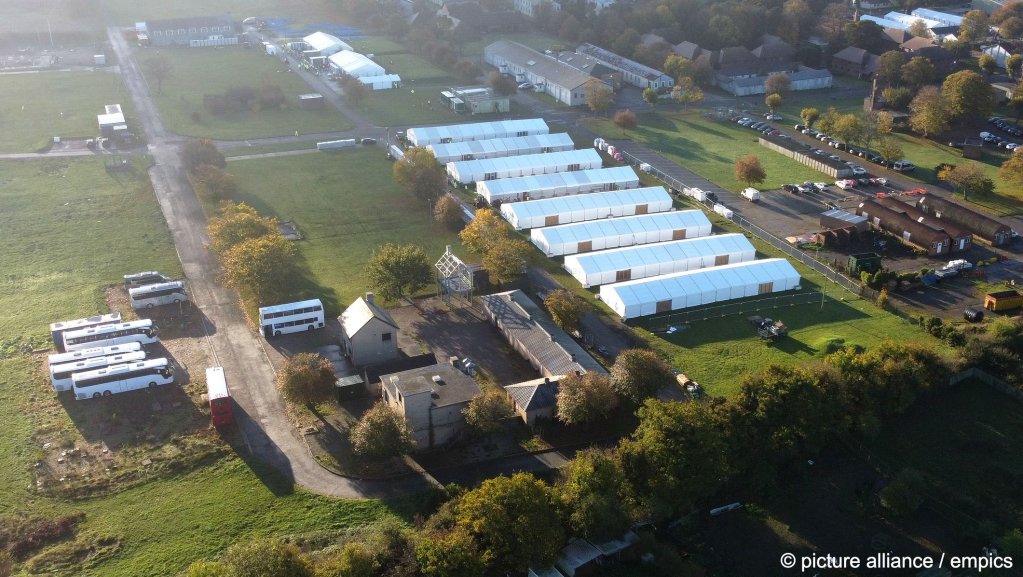
A UK Home Office Spokesperson confirmed this to InfoMigrants and added that phone seizures have begun at Manston short-term holding facility, with technology on site ready to download intelligence from seized devices.
"The National Crime Agency, police and other Immigration Enforcement officers have also been given the new power, allowing seizures to take place in a range of settings including during property or vehicle searches and raids," the spokesperson said.
Additionally, officers can also require migrants to remove an outer coat, jacket, or gloves, and conduct searches inside someone’s mouth for a hidden SIM card.
In an earlier statement, the Home Office confirmed that under the Border Security, Asylum and Immigration Bill, we are "taking on the gangs with new counterterror-style powers" and that officers would be given powers to seize electronic devices to collect evidence about organized criminal syndicates.
Read Also
UK grants border officials new powers to seize and inspect migrants' phones
Worrying shift
Critics say that the new provisions risked breaching various international obligations that safeguard the rights and protection of vulnerable populations, which include trafficking victims and people seeking asylum.
"Given the way the provisions are framed, it is conceivable that anyone crossing the Channel could be viewed as reasonably suspected of possessing information related to irregular migration on their devices," read a Joint Committee Report released in June.
"We are incredibly alarmed about the introduction of a counter-terror approach to migration, particularly in relation to refugees and people seeking asylum," the Migrant Rights Network said in a statement when the bill was first introduced in January.
The organization slammed the bill as a form of "cruelty," adding that they believed it would do little to improve the safety or outcome of asylum seekers' journeys.
Read AlsoBritain plans radical changes to immigration law amid far-right pressure
Taking away lifelines
The legal assistance group working with people on the move, Jesuit Response Service, said that for many migrants, their phones were their only means of communication and their only link to their families.
"When migrants had their phones seized, many lost not only contact details for friends and family, but also vital documents and their main link to the outside world," JRS UK said in a statement in reaction to the 2022 ruling.
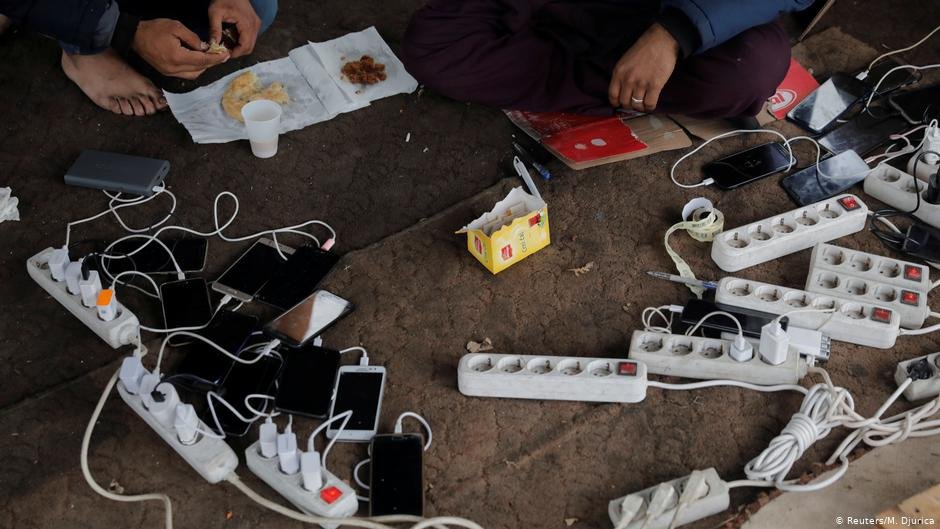
JRS UK reported that staff sometimes offered to pass on messages via social media, but this was not always possible. One man said his family lived in a small village without internet access, and the only way to reach them was via phone. For weeks, his relatives did not know whether he was alive or dead.
"Taking someone’s phone took away a lifeline, in fact, many lifelines. People’s contacts, photos of loved ones, medical certificates, and documents that would be vital proof in an asylum claim were all on their phones. All this was lost," said Naomi Blackwell, Detention Outreach Manager at JRS UK.
Read AlsoUK: Inside Labour's most radical asylum overhaul in modern times