
Belgium is tightening its asylum and migration rules while facing growing labor shortages and an aging population. Economists warn that stricter policies aimed at reducing arrivals may conflict with the country’s long-term economic needs.
Belgium finds itself facing a growing paradox. At a time when employers report record numbers of unfilled jobs and the population is aging rapidly, the federal government is pursuing what it describes as the "strictest asylum and migration policy ever."
Some economists and migration experts warn that the approach risks deepening the very labor shortages the country is trying to manage.
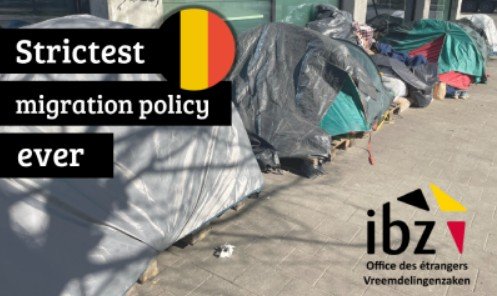
The tension reflects a broader European shift, where migration policy is increasingly shaped by security concerns and political pressure, even as economies continue to depend on migrant labor.
Read AlsoBelgium: New government to implement 'strictest migration policy ever'
Hard-line policy shift
Since 2025, Belgium has introduced a series of measures aimed at reducing asylum arrivals and limiting reception costs. Authorities have tightened access to reception centers, including denying accommodation to people who have already received protection in another European Union member state. The government has also extended internal border verification operations within the Schengen area, focusing on transport routes associated with higher migration pressure from southern Europe.
The reforms are part of a broader strategy presented as restoring control over migration. Officials argue the measures will save more than 1.5 billion euros over the current parliamentary term while strengthening public order and reducing pressure on reception systems. Migration Minister Anneleen Van Bossuyt has described the approach as one of "controlled migration."

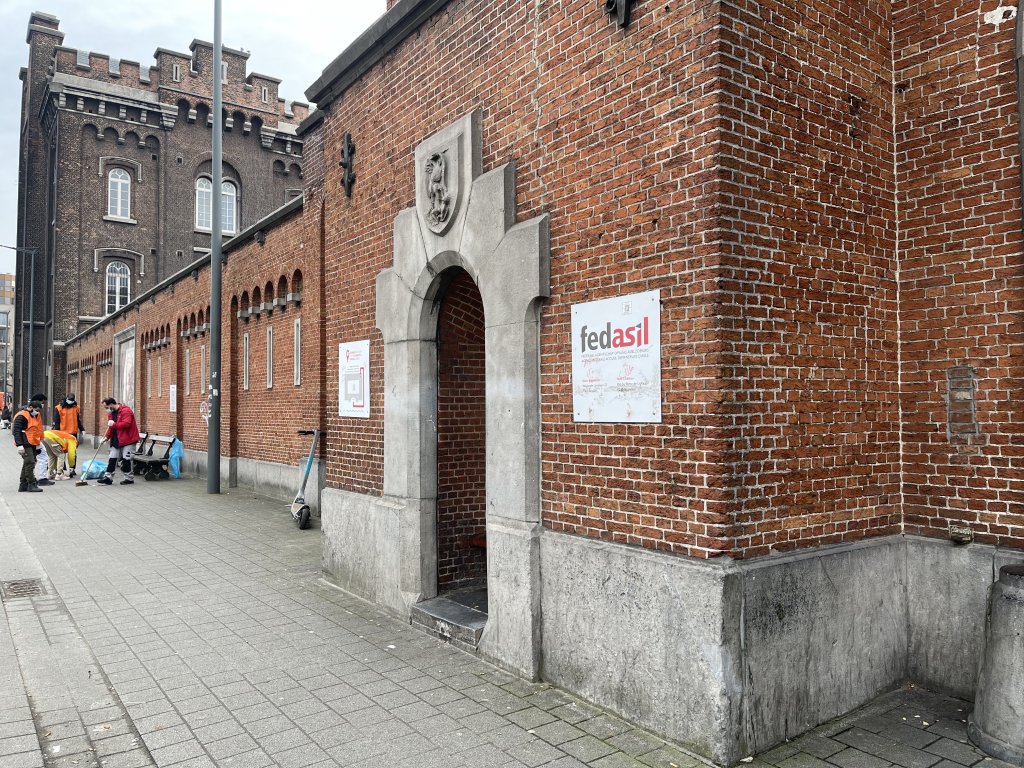
At the same time, approval rates for asylum applications have fallen significantly, dropping to 28.4 percent in 2025 from 47 percent the previous year. New rules have tightened family reunification procedures, welfare access, and integration requirements. Critics, including NGOs and legal experts, say the tougher stance has increased pressure on reception systems, leading to growing numbers of homeless asylum seekers and repeated court rulings against the Belgian state for failing to provide accommodation.
Read AlsoBelgian court rules government has to accommodate Afghan family seeking asylum
A labor market in short supply
The economic context tells a different story. Belgium’s labor market is increasingly constrained by demographic change. In Flanders alone, authorities list 251 shortage occupations, ranging from nurses and construction workers to technical specialists.
According to Belgium’s National Bank, migration contributed approximately 3.5 percent to GDP growth between 2012 and 2016. Studies cited by the Minerva think tank suggest migrants' fiscal contributions depend largely on labor market participation. While first-generation migrants contribute slightly less on average than native-born workers, second-generation migrants contribute more, partly due to their younger age profile and higher employment rates.
In a new report, Minerva argues that migration will become even more critical in the coming decades. As Belgium approaches a demographic tipping point in the late 2030s -- when deaths are expected to outnumber births -- migration may become the only mechanism capable of sustaining the working-age population. In aging economies, the report concludes, migration is "not an optional policy choice but a structural necessity," political economist and research assistant Hielke Van Doorslaer told Belgian outlet VRT News.
He added that anyone who wants to "reduce migration must be honest: that means higher pressure on pensions, unaffordable healthcare and a smaller economy. Less migration is not a saving, but a loss."
Minerva warns that policies focused primarily on deterrence risk aggravating labor shortages, increasing pressure on pension and healthcare systems, and slowing long-term economic growth. Short-term budget savings, it argues could come at the cost of reduced prosperity in the future.
Read AlsoBelgium links prison-overcrowding plan to wider migration strategy
Human and social costs
Beyond economic considerations, humanitarian concerns have intensified. Thousands of asylum seekers have been left without accommodation amid reception shortages, while Belgium has faced thousands of court rulings for failing to meet housing obligations.
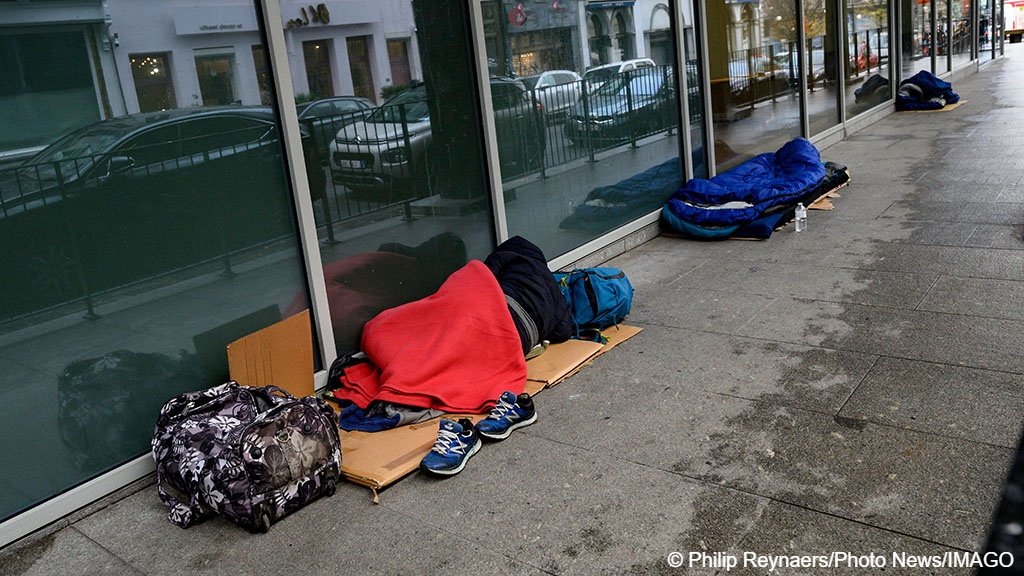
Civil society organizations report increasingly adversarial asylum procedures and the expansion of detention facilities, describing a system that has shifted from protection toward deterrence. Some academics warn that increasingly restrictive policies risk creating social tensions while undermining Belgium’s long-standing human rights commitments.
Read AlsoBelgium expands police checks against irregular immigration
European trend toward tougher migration policies
Belgium’s debate mirrors wider developments across the European Union. The EU Pact on Migration and Asylum, adopted in 2024 and being implemented across the bloc later this year, seeks to combine stronger border management with new mechanisms for responsibility-sharing and legal migration pathways. Yet political momentum across the bloc has increasingly favored tougher asylum rules and faster returns.
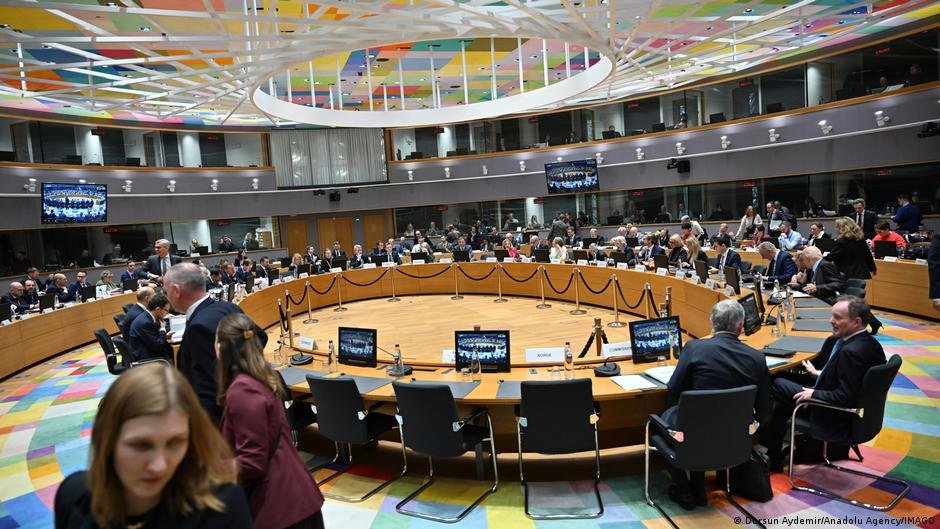
Recent debates in the European Parliament have highlighted growing cooperation between center-right and far-right parties on migration policies, reflecting electoral pressures and shifting political alliances. Critics argue this risks prioritising deterrence over protection, while supporters describe it as a more pragmatic response to current migration pressures.
At the same time, approaches vary widely among member states. Spain and Portugal have pursued labor-oriented migration policies and regularization programs aimed at addressing workforce shortages and supporting economic growth. Belgium’s current trajectory, by contrast, aligns more closely with countries such as Denmark or the UK, where restrictive rhetoric has not always translated into sustained reductions in migration flows.
Read AlsoMigrant regularization in Spain: Sanchez' decree faces sharp criticism
Dilemma ahead?
Belgium’s dilemma is ultimately one shared by many European countries. Governments face public pressure to limit migration while economies increasingly depend on foreign workers to sustain growth and social welfare systems.
The question facing policymakers is whether migration will continue to be framed primarily as a security issue, or whether it will be integrated more explicitly into labor market and demographic planning. Economists argue that aligning migration policy with economic reality will require expanding legal pathways for work migration while accelerating integration into employment and society.
For Belgium, the challenge is not only how many migrants arrive, but how effectively those who do arrive become part of the country’s economic and social future.
Read AlsoBelgium backs Morocco's Western Sahara plan amid new return deal