
New arrivals to Ireland continue to face a chronic lack of accommodation, with nearly 400 turned away in January alone despite a sharp drop in asylum applications and rising numbers of voluntary returns.
Ireland's asylum accommodation system is buckling under pressure, leaving nearly 400 new arrivals without shelter in January alone -- even as applications plummet and voluntary returns increase.
The International Protection Accommodation Service (IPAS) had no space for 392 asylum seekers arriving by January 29 this year, 387 people were left without beds in December and over 400 were without accommodation each month from September to November 2025.
Around 33,000 people are currently housed across more than 300 centers nationwide -- a figure that has been stable since late 2024 -- but single male applicants continue to suffer most, with the waiting list dropping from a peak of 3,500 in March 2025 to 453 today.
The latest weekly IPAS report (week ending February 1) showed an average 730 arrivals -- a slight January uptick -- alongside over 104,000 people in state-provided housing, occupancy rates above 96 percent in dedicated centers, hotels, and emergency facilities, and slow exit rates.
Read AlsoIreland: Government announces changes to reduce migration
Housing is temporary
Justice Minister Jim O'Callaghan told the Irish parliament his department "works at all times to ensure the limited accommodation capacity is used in the best and most effective way, prioritizing those people who are most vulnerable or those with families."
As of February 4, 2,591 beds were listed as available: 2,000 in mixed centers, 343 for families, and 248 for single males. However, many are held back as contingency for daily arrivals or for people with vulnerabilities, or taken offline for infection control, renovations, or center closures.
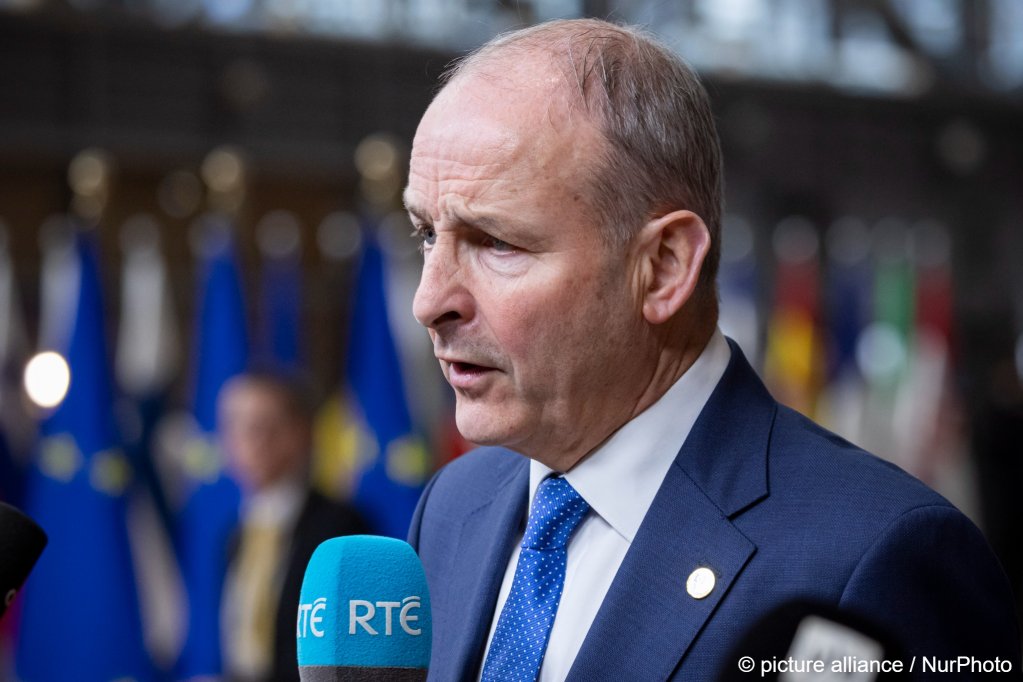
In an interview posted on X (formerly Twitter) O'Callaghan emphasized that the government's goal is to reduce the number of people applying for asylum which will ultimately lead to lower demand for accommodation. He also stated that he is "not in the business of providing accommodation to a cohort of people in Ireland who are entitled to be here," and that the government's role is to provide housing for people while they make their application and not after the process has been completed.
Read AlsoIreland: Steep rise in voluntary returns
Rise in accommodation spending
New Dáil (lower house of parliament) figures reveal Ireland spent 1.2 billion euros last year on IPAS accommodation and related services -- a 19 percent rise from 2024 -- despite a 29 percent drop in asylum claims to 13,160 from a record 18,651. This averaged 3.29 million euros daily to house 33,241 people across 312 centers, including over 9,700 children, covering hotels, transport, utilities, facility management, and security.
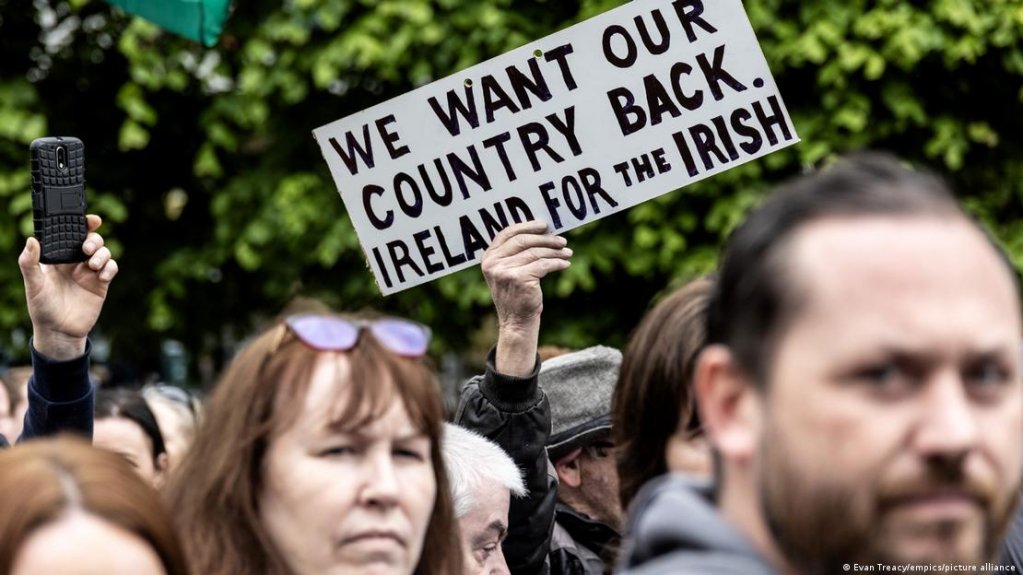
The surge stemmed from an "unprecedented increase" of over 45,000 applicants between 2022 and 2024 -- five times the normal levels -- forcing reliance on private providers and inflating nightly rates due to poor contract oversight. Processing one asylum application costs an average 122,000 euros per person (accommodation, food, healthcare, education, benefits; excluding legal appeals), with stays averaging 24.8 months. In 2025, the International Protection Office issued 20,200 first-instance decisions, 81 percent negative.
Read AlsoDublin riots subside after days of anti-immigration violence at asylum seeker hotel
Voluntary returns jump 72 percent
Provisional Department of Justice data shows over 1,600 asylum seekers opted for voluntary return in 2025 -- up 72 percent from 934 in 2024 -- averaging over 100 departures monthly (peaks: 171 in May, 190 in July). A limited-time September scheme boosted reintegration aid: 2,500 euros per person or 10,000 euros per family before first decisions (or post-negative without appeal); 1,500/6,000 euros pre-appeal; 1,500/3,000 euros post-appeal pre-deportation -- doubling prior caps of 1,200/2,000 euros.
May 2025 alone saw 262,500 euros spent on returns (exceeding full-year 2024's 208,000 euros), one-third to families. No major September spike occurred despite incentives, with 100 returns that month rising to 154 in October then dropping back slightly to 125 in November.
Read AlsoIreland: Growing numbers of attacks on Indians and South Asian migrants causing consternation
Government reforms and policy changes
The government has been making many efforts to save money and render the system more efficient. Efforts include a May 2025 rate framework saving 77 million euros, stated the government. They also purchased the Citywest complex expanding state beds from 900 to over 4,000, and put forward 300 million euros to convert unused properties -- though officials say it won't ease short-term summer pressures.
Their targets were to shorten 24.8-month stays via faster decisions/appeals and build in a buffer zone of 15 percent spare capacity at all times.
Further changes came later in the year. In November 2025, the government implemented changes to address the 1.6 percent population growth (seven times the EU average in 2024). Ireland has a net migration of 72,000 yearly, creating housing strains in the system, as well as generating protests against, and attacks on migrants.
In addition, working asylum seekers are now charged 10-40 percent of their weekly income (15-238 euros) for state accommodation, while international protection holders need five years residency (up from three) to be eligible for citizenship.
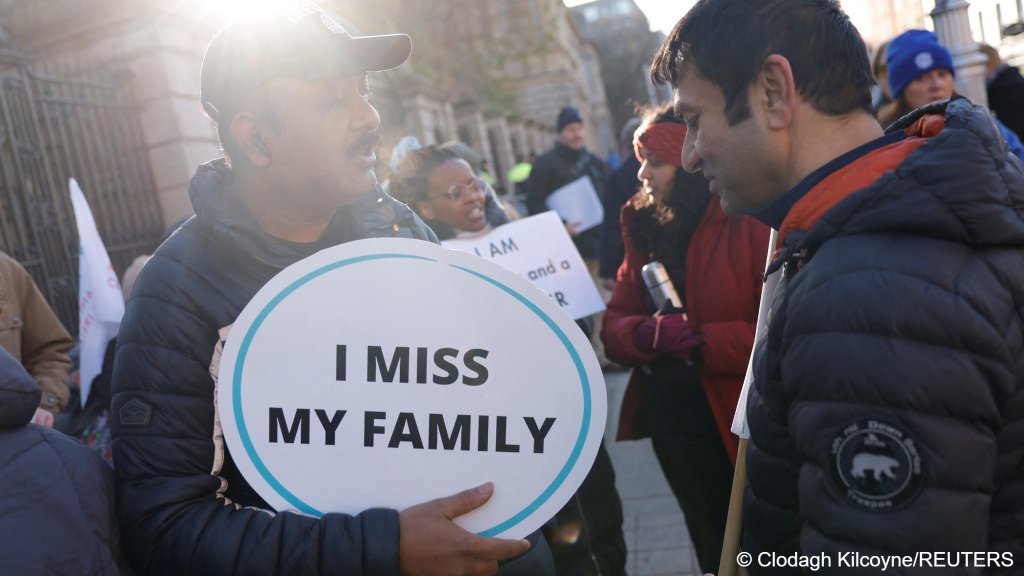
Changes also include that non-EEA family reunification requires a 44,000 euros median wage plus housing proof. It is also not possible to apply for residency if on long-term benefits in the prior two years and protection is revocable if found guilty of security threats/serious crimes. The government has also changed student visa requirements to prevent people from entering the system that way and later trying to claim asylum. The government also aims for faster processing, reducing the time to three to six months by June 2026.
Justice Minister Jim O'Callaghan called it "a very dynamic system, with more than 1,000 new applications every month, and on average 500 people moving into, out of, and around the accommodation system on a weekly basis." He prioritizes vulnerable families amid strains on single males, aiming for 15 percent spare capacity by 2026 -- as applications fell to 13,160 last year from 18,651 in 2024.
Read AlsoTop EU court rules in favor of asylum seekers denied accommodation in Ireland