
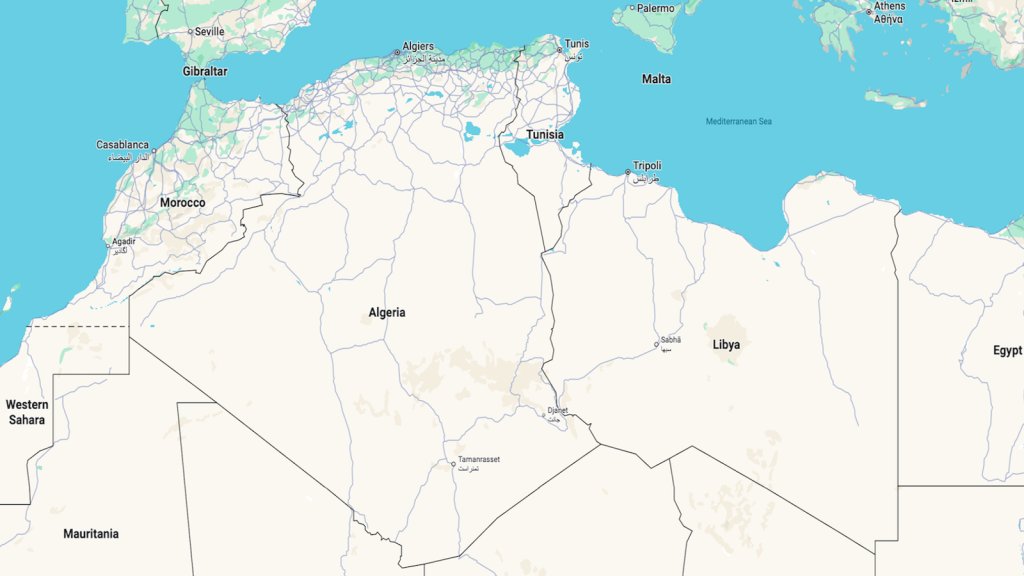
According to the Moroccan Association for Human Rights (AMDH), the bodies of 21 migrants were found during the last five weeks of 2025 in Ras Asfour near the city of Oujda, located in the country's border region with Algeria. The border area has repeatedly come under scrutiny for instances of migrants deaths and reports of kidnappings for ransom.
The bodies were found between November 27 and December 31, 2025 and were established to belong to sub-Saharan migrants coming from from Guinea, Cameroon, and Nigeria. The group was reported to have included two women, according to AMDH.
Autopsies were reportedly performed on some of the bodies to establish the cause of their deaths and to understand the circumstances surrounding the grisly find, but the results have not been shared with the public.
AMDH noted that the discovery amounted to the "very heavy toll never before recorded at this border," characterizing the overall migrant situation that is unfolding along the border between Morocco and Algeria as a "tragedy."
AMDH stressed that the absence of rescue services in this area meant that many lives could not "be saved in time," upon encountering various threats.
Morocco and Algeria have been suffering icy diplomatic relations for many years over major political and territorial disagreements in the region, resulting — among other things — in little to no coordination in migrant rescue efforts along their shared 1,600-kilometer border.
There have also been repeated reports of summary expulsions of migrants by authorities in both countries to desert regions, where the migrants are reportedly left to fend for themselves.
Read AlsoAlgeria expels more than 1,000 migrants to northern Niger
A border region full of death traps
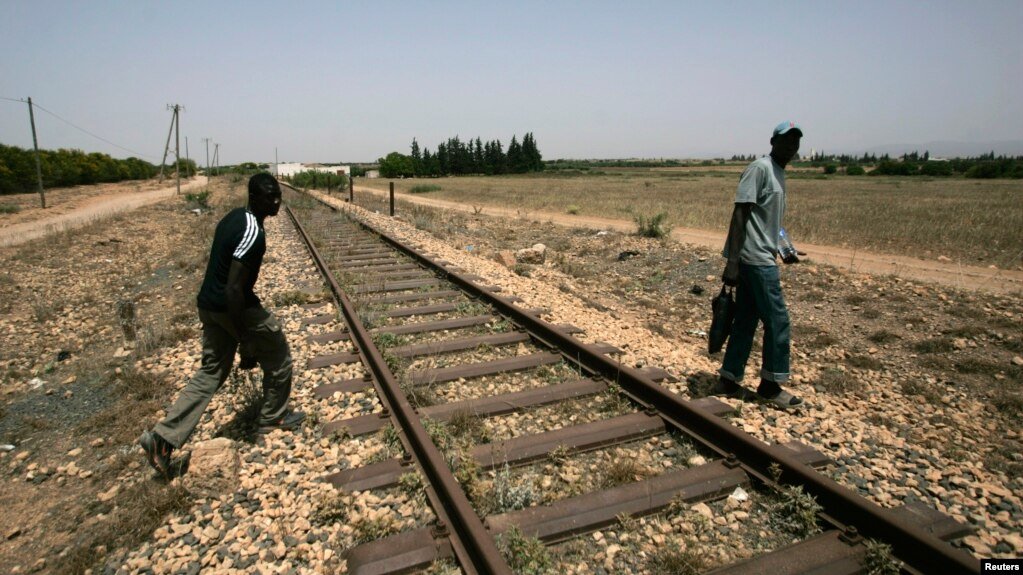
AMDH released a report about these latest developments, highlighting how the welfare of migrant caught up in the Algerian-Moroccan borderlands was deteriorating; the group stressed that the below-freezing winter temperatures in this arid, mountainous region were as big a risk for migrants as the overall unknown terrain, which for the most part they travel through at night.
The association also added that the militarization of the border area made such clandestine crossings even more "dangerous," adding that the presence of a trench on the Algerian side measuring "4.5 meters wide and 4 meters deep" also came with its own perils:
"Migrants [fall into this ditch] traveling at night in total darkness; they cannot even turn on the lights on their cell phones so as not to be spotted by the military," Omar Naji from AMDH told InfoMigrants in January, stressing that the trenches can fill with water and mud during winter, acting as a "death trap" for migrants.
Read AlsoUN warns of difficult winter ahead for migrants as aid cuts bite
Equally, however, some migrants in the area may lose the strength to move after having to go for days without food and with little water, with some believed to end up dying of cold or hunger.
According to testimonies gathered by AMDH, most of the bodies discovered in recent weeks "had serious injuries to their limbs, stomachs, and heads; and two of them were in an advanced state of decomposition due to their long stay in the forest, and had probably been devoured by wild boars or stray dogs."
Moroccan authorities did not respond to InfoMigrants' requests for comment.
AMDH meanwhile also emphasized that most family members of the deceased have not been informed of the deaths of their loved ones yet — largely due to the fact that after remaining unidentified for several days, most of the bodies are simply buried anonymously in the Jerada cemetery outside the town of Oujda in northeast Morocco, bearing only a serial number.
Read AlsoMigrant smuggling ring from Algeria to Spain dismantled
Abuse and extortion as a money-making scheme
Many sub-Saharan migrants cross this region every year, typically traveling long distances through Algeria -- Africa's biggest nation -- in order to enter Morocco and later continue on their way to Spain.
There are reports however that on this migration route, many migrants also end up finding themselves kidnapped and held for ransom by traffickers.
"Migrants are held captive, their hands tied, forbidden to leave, tortured after having everything they own (money, phones, etc.) taken from them. Each migrant is then filmed in this state of distress. The recorded video is sent to their families (who may be in their country of origin or in Europe) to demand a ransom of 500 euros for their release," AMDH explains in its report.
The organization highlights further that women in particular also face the risk of being abused sexually -- with some cases of rape and abuse lasting "for years."
Read Also'The smugglers devour your money': a Guinean migrant condemns the lies of traffickers along the road
Blind spots on a major migration route
Though such tragic events are not reported frequently, the Algerian-Moroccan border region has become the site of migrant deaths on multiple occasions before:
In December 2022, the bodies of eight sub-Saharan migrants were found in total in the same area near Oujda on two separate occasions.
A year earlier, the body of a young Cameroonian woman was found "frozen," at the bottom of one of the trenches on the Algerian side of the border.
Since 2017, at least 76 deaths have been recorded in this area in total, according to charities operating in the area.
It is unclear how many migrants try to cross from Algeria into Morocco each year, but during a thwarted attempt that took place on December 23, 2025, more than a hundred men, women and children were caught by border control officials.
Eyewitnesses said that on the Algerian side, authorities use live ammunition to try and stop migrants.
This article is based on an article published by the French service of InfoMigrants