
A Bulgarian-led investigation in cooperation with Greek police and Europol has resulted in the arrest of 16 people involved in migrant smuggling. The network smuggled migrants from Turkey via Bulgaria and onward through Romania or Serbia towards Western European countries.
Police in Bulgaria and Greece have shut down a smuggling network that moved migrants from Turkey through Bulgaria and on toward Western Europe, following a long investigation into the route.
A Bulgarian-led investigation, in collaboration with Greek police and backed by Europol, targeted the organized criminal network using Bulgaria as a transit country. The network organized journeys step by step, the European Union's police agency Europol announced in a statement on Thursday (January 29).
During coordinated raids, police arrested 16 people and searched six locations. Officers seized mobile phones, documents, vehicle papers and handwritten notes that recorded routes, payments and contacts.
Read AlsoEU court opens path to justice for alleged pushback victims in landmark case against Frontex
How did the smugglers operate?
According to Europol, recruiters in Turkey contacted migrants and arranged payments before the journey began. Migrants paid part of the fee through informal money-transfer systems, which smugglers often use to avoid banks and official records.
Smugglers then led migrants across the southern Bulgarian border on foot, avoiding official crossing points. After entering Bulgaria, Europol said drivers picked them up at pre-arranged locations and transported them toward the capital Sofia in cars or buses.
According to the statement, smugglers kept some migrants in so-called "safe houses" in and around Sofia for short periods. Others continued their journey immediately toward the Serbian or Romanian borders, without stopping in the capital. From there, different smuggling groups took over and pushed the journey onward to Western European countries.
Police say a core group based in Sofia coordinated the operation inside Bulgaria. Members, both Bulgarians and Syrians, divided the tasks: some handled transport, others managed accommodation, and others stayed in contact with smuggling groups in neighbouring countries. This structure helped the network move people quickly and manage payments across borders, according to Europol.
Smuggling networks and European migration policy changes continue to shape migration routes across the region. When authorities disrupt one route, others often emerge, sometimes forcing migrants onto longer or more dangerous paths.
Smugglers tightly control migration journeys, typically from the moment of payment to the final border crossing. Migrants themselves often have little control once a payment has been made and the journey begins.
Read AlsoSix migrants die in Bulgaria following police chase
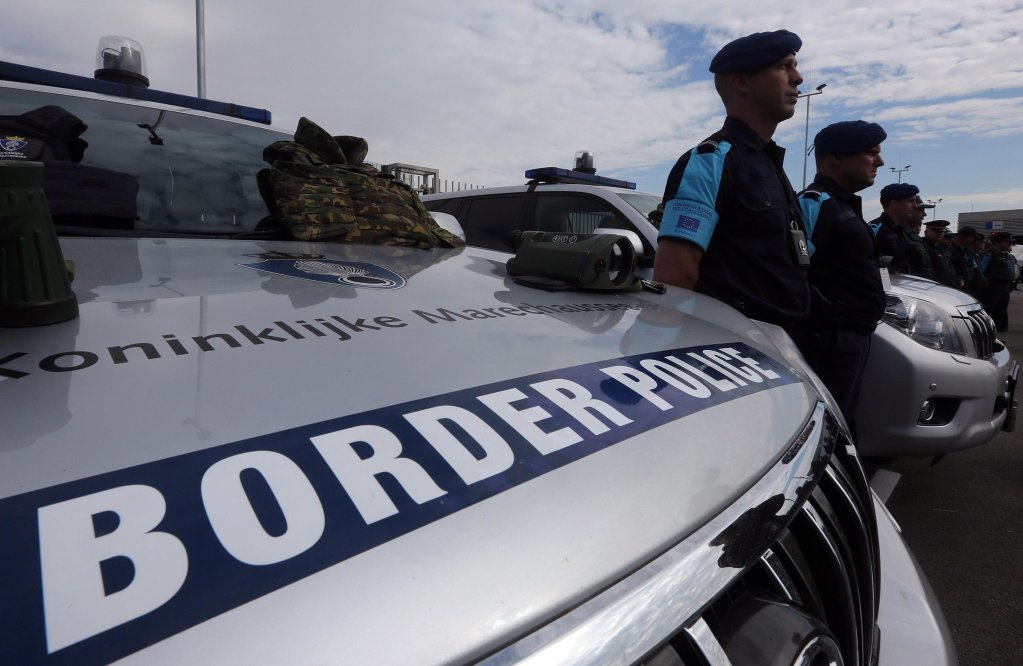
Humanitarian groups warn of migrant abuse at border
Human rights watchdogs and other monitoring groups have also highlighted long-standing concerns over the handling of migrants on the move along Bulgaria's external EU border.
In December 2024, three Egyptian teenagers froze to death near the Turkish border. Bulgarian police were criticized for failing to respond, despite reports that they had received distress alerts.
In previous years, NGOs and monitoring groups have also documented repeated accounts of pushbacks, beatings, and failures to respond to emergency calls along the Turkish border. Bulgarian police have denied deliberately blocking rescue attempts.
Read AlsoFrontex confirms Bulgarian authorities responsible for deaths of three Egyptian minors