
Germany has deported another convicted criminal to Syria as federal and state authorities push for tougher migration policies, prompting debate over security, humanitarian concerns and the impact on workers and asylum seekers.
Germany has carried out another deportation of a person with criminal convictions to Syria, underlining the government's tougher stance on migration policy, which is being felt both at the federal level and in the country’s states. The 29-year-old man, who had been living in the southwestern state of Baden-Württemberg and was serving a multi-year prison sentence for several drug-related offenses, was taken directly from custody to the airport and flown to Damascus on a commercial flight, the interior ministry said.
It was the fourth deportation of a Syrian national since Germany resumed returns to the country late last year, following a suspension that had been in place since the outbreak of Syria’s civil war in 2011.
Federal interior minister Alexander Dobrindt, said deportations of convicted criminals must be carried out "consistently" to ensure "order, orientation and greater security." The conservative-led government of Chancellor Friedrich Merz, in office since May 2025, has pledged to take a harder line on migration, including resuming deportations to Syria and Afghanistan, beginning with offenders and so-called security risks. Meanwhile, some German states have suspended deportations to Iran because of recent unrest in the country.
Returns amid renewed fighting
The renewed deportations come despite a fragile security situation in Syria. Recent clashes have erupted between forces loyal to the transitional government and the Kurdish-led Syrian Democratic Forces (SDF) in the country’s northeast. Syria’s transitional president, Ahmed al-Sharaa, cancelled a planned visit to Berlin this week because of the fighting.
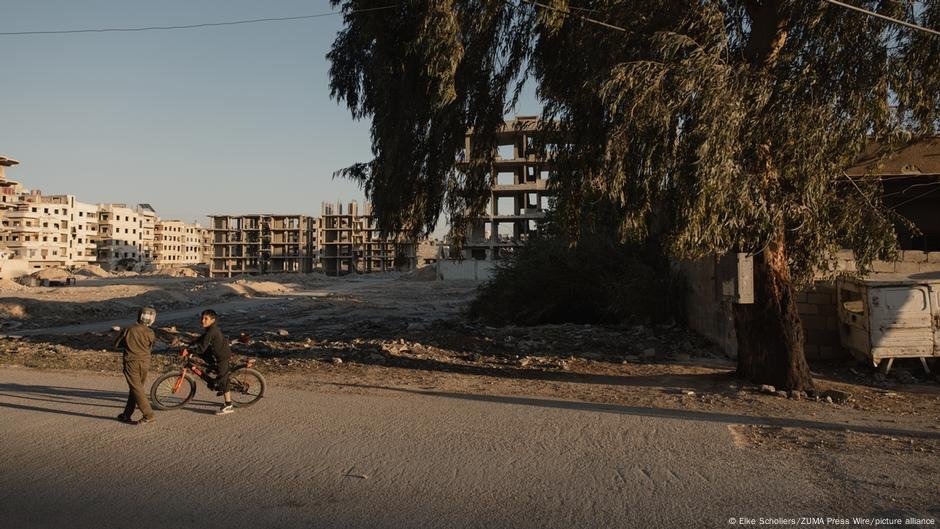
Human rights groups and opposition politicians have questioned whether deportations to a country still affected by armed conflict are legally and morally defensible. The government, however, maintains that current returns are limited to individuals who have committed serious crimes in Germany.
Read AlsoGermany: Human rights organizations call for suspension of deportations to Iran
Record numbers in Baden-Württemberg
At the state level, Baden-Württemberg has reported a sharp rise in deportations, particularly of convicted criminals. According to the state’s ministry of justice and migration, a total of 1,046 offenders were deported in 2025 -- around one-third more than the previous year and the highest figure on record.
Overall deportations from the state also increased, reaching 3,397 people in 2025, up from 2,873 the year before. The most common destination countries were Georgia, North Macedonia, Turkey, Kosovo, Gambia and Serbia. Since 2021, the number of deportations from the state has risen steadily.
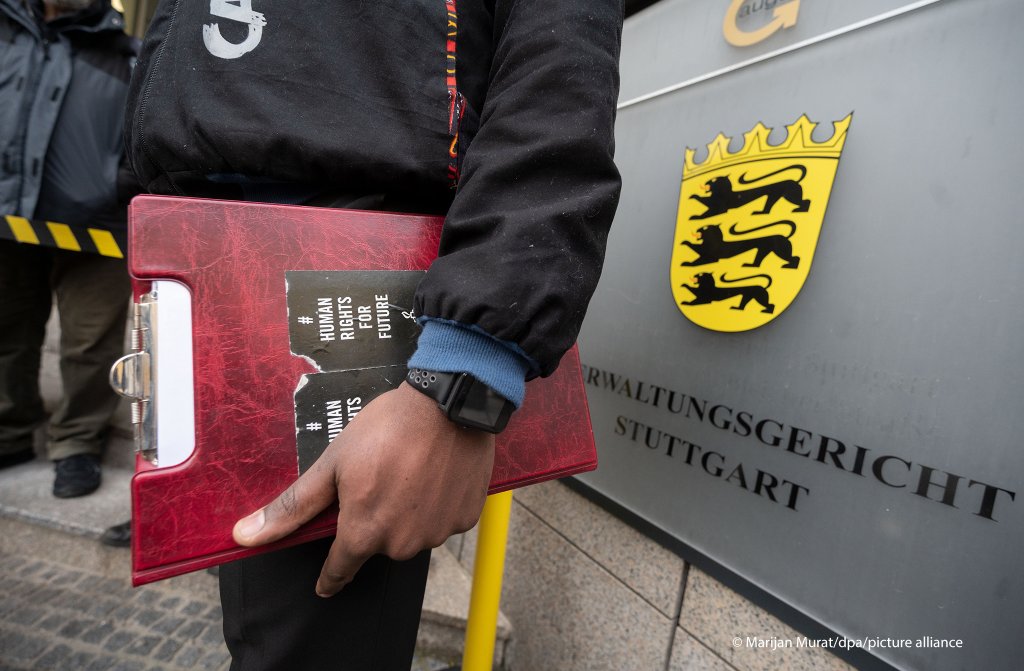
Marion Gentges, the state’s migration minister, welcomed the figures, saying they showed that authorities were focusing on deporting people "who do not obey the law." She rejected criticism that well-integrated migrants were being systematically targeted. "They have no possibility of staying and therefore must be the first to leave the country," she said.
NGOs such as the Bavarian Refugee Council have previously alleged that deportation measures increasingly affect migrants who already have work contracts or apprenticeship offers. Some activists argue that well-integrated migrants are often easier for authorities to locate and more likely to comply with official orders, making them more vulnerable to removal. They also warn that a tougher enforcement climate is pushing others out of the official system.
In the western state of Rhineland-Palatinate, authorities recently reported that 923 asylum seekers had disappeared from state reception centers over the past 18 months -- nearly one in ten of those registered. Officials say benefits are suspended and police notified when residents cannot be located, while advocacy groups argue that fear of deportation and loss of legal status is driving some migrants to go into hiding, making them harder to monitor and support.
According to what some migrants in Calais have said to InfoMigrants over the last few years, there is also some evidence to suggest that some of those who end up in Calais, hoping to make it to the UK, have done so after years working and living in a country like Germany.
Some of them have shown InfoMigrants reporters their expired work passes or letters from authorities saying that they will be returned to another EU country, or have had their asylum request refused. At that point, those who spoke to us said they had decided to try their luck in Britain. Since Brexit, it is impossible for British authorities to send migrants straight back under the terms of the Dublin treaty, of which they are no longer a part.
Read AlsoGermany: Study links refugee arrivals to new businesses, new jobs
Voluntary departures also rising
Alongside forced deportations, the number of voluntary departures by rejected asylum seekers has also increased. In Baden-Württemberg, 3,844 people left voluntarily in 2025, up from 3,502 in 2024.
Under German law, asylum seekers whose applications are rejected are required to leave the country, usually within 30 days. Those from countries classified as "safe" are often given just one week. If they fail to comply, state authorities can enforce deportation, provided there are no legal or humanitarian obstacles.

The scope of what qualifies as a "safe country of origin" is now set to widen, as the federal government moves to expand the current list. A new regulation allows the federal cabinet, in many cases, to designate such countries without requiring approval from the Bundesrat, the upper house of parliament.
The government plans to begin with countries including Algeria, India, Morocco and Tunisia. The aim is to accelerate asylum procedures and make deportations easier. While applicants from these countries can still argue that they face persecution, their claims will generally be processed more quickly and are more likely to be rejected.
Read AlsoGermany deports second Syrian offender since Assad's fall
Obstacles to deportation
A key challenge remains the lack of cooperation from some countries of origin. German authorities say that certain governments, such as Iran, often refuse to accept the return of their own citizens, despite international legal obligations to do so.

The issue was highlighted again after a knife attack in the city of Ulm by a man from Eritrea who had been ordered to leave Germany. His deportation had been requested as early as 2024, but could not be carried out because Eritrean authorities refused to take him back.
In response to such cases, Dobrindt is examining the possibility of setting up deportation centers in non-EU countries, according to Baden-Württemberg’s migration state secretary, Siegfried Lorek. The idea would be to facilitate returns even when direct cooperation with countries of origin proves difficult.
Read AlsoGermany: CSU demands 'Roadmap of Returns' to Syria ahead of meeting
Security versus humanitarian concerns
The government argues that stricter deportation policies are necessary to strengthen internal security and preserve public confidence in the asylum system. Gentges supported the federal government’s stance, describing the move as "the right step."
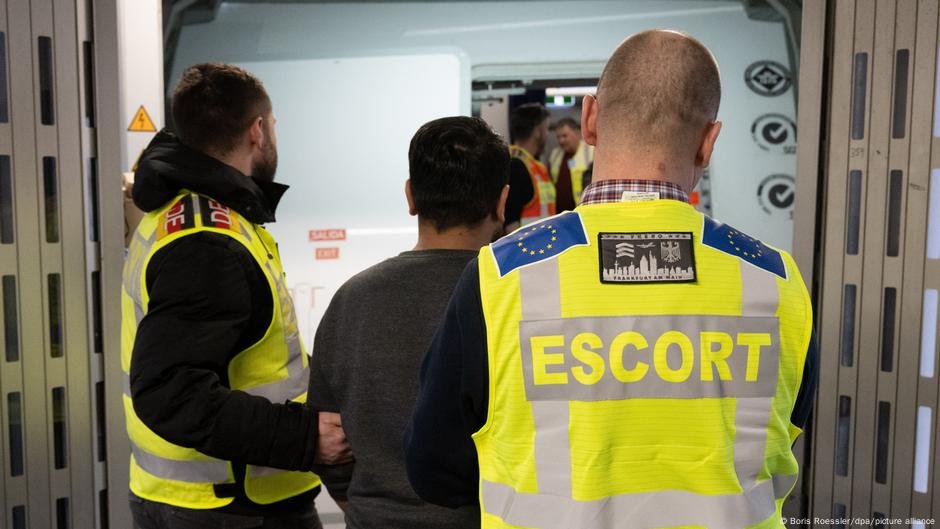
As Germany resumes deportations to Syria, considers new mechanisms to deal with uncooperative states, and expands its list of safe countries, migration policy is entering a more restrictive phase -- one that is likely to remain at the center of political debate in the run-up to key state elections in 2026.
Read AlsoGermany: Deportations to Syria resume after 15 years with criminal asylum seeker sent back
With dpa and KNA