
French authorities have carried out their first on-water interception of a suspected smuggling boat under new Channel patrol tactics, as the UK and France expand returns and enforcement measures aimed at preventing small boat crossings.
French authorities have carried out their first on-water interception of a suspected smuggling vessel under new tactics aimed at reducing small boat crossings to the UK.
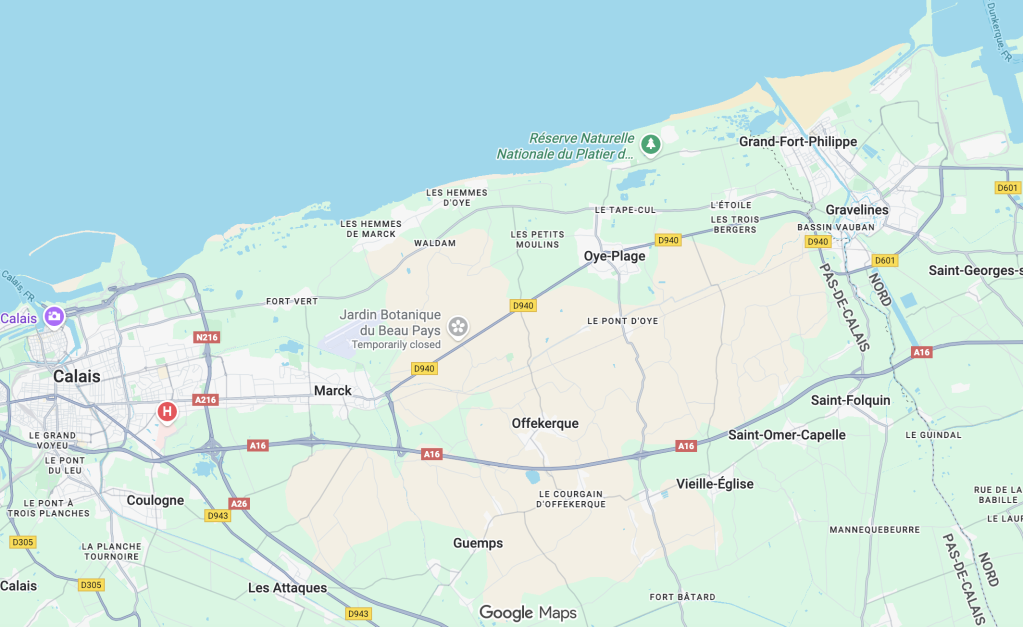
The operation took place on Saturday on the Aa canal in Gravelines, near Calais, where officers boarded an inflatable "taxi-boat" believed to be heading to collect migrants before reaching the sea.
Images obtained by the BBC show the dinghy being towed to the dockside by a police launch, with several men on board who were later detained.
The French maritime prefecture said there was an "ongoing judicial investigation" and declined to provide further details.
Read AlsoUK: Afghan teen migrant is first person to be charged under new crossing law
New rules of engagement
The interception follows an agreement reached between France and the UK in July 2025, after a summit between President Emmanuel Macron and Prime Minister Sir Keir Starmer, to allow officers to intervene on the water under strict conditions.
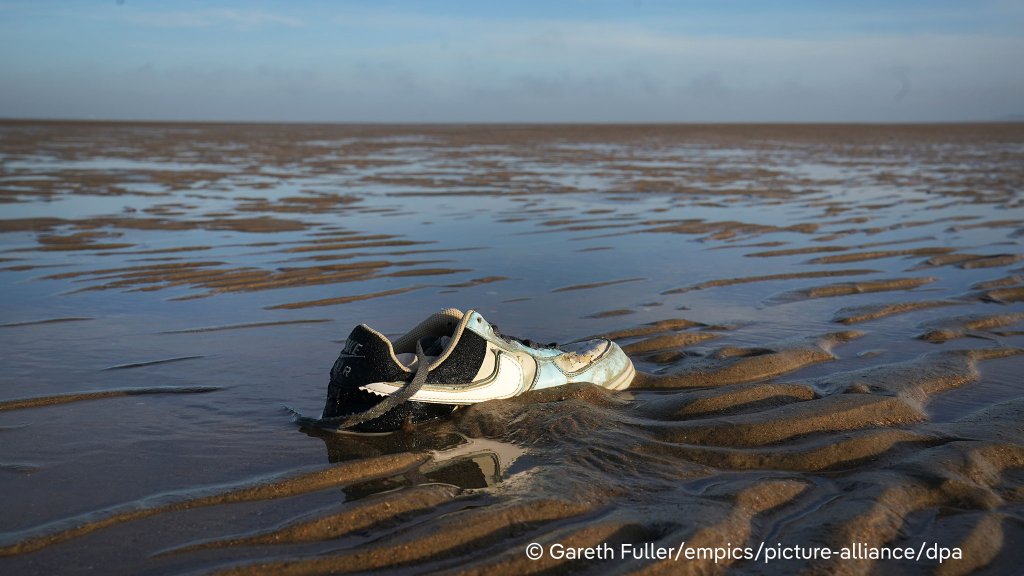
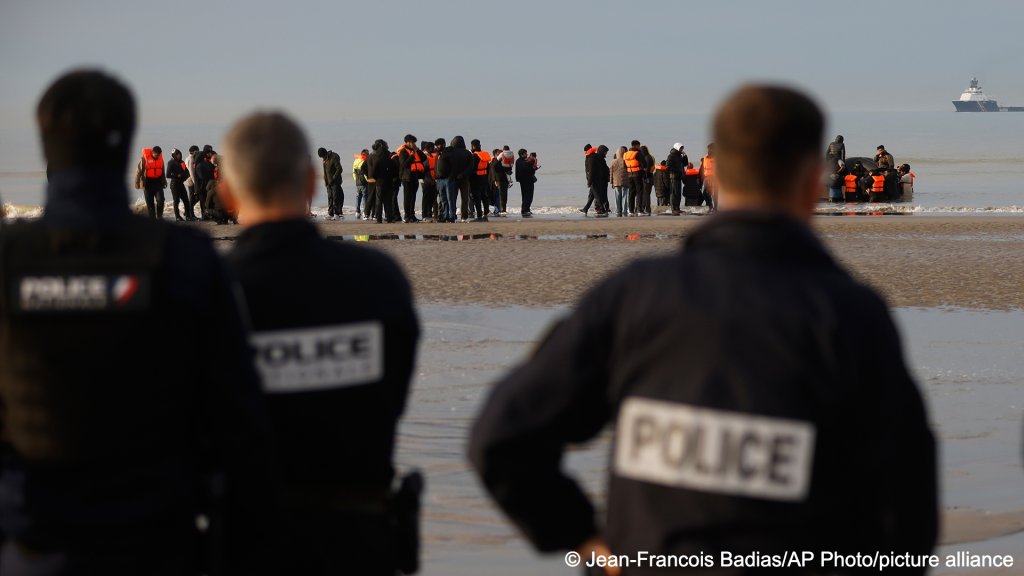
Until now, French police limited their actions to stopping boats on beaches, citing safety concerns about intervening at sea. Smuggling networks had increasingly used "taxi-boats" -- inflatable vessels that enter the water away from the shore and travel along the coast to pick up migrants wading out to board.
Official French documents said this method had an estimated success rate of 81 percent in 2025.
Under the new approach, gendarmes are permitted to stop boats before they take on migrants, but not once they are fully loaded, to reduce the risk of accidents.
Read AlsoFrance bans 10 British far-right activists for attacking migrant boats
Crossings and asylum context
In 2025, 41,472 people reached the UK by small boat from France, up from 36,566 in 2024 but below the 2022 peak of 45,774.
Between 1 January and 18 January 2026, 658 people were recorded making the crossing.
Nearly all arrivals by small boat claim asylum. From October 2024 to September 2025, 110,051 people applied for asylum in the UK, with small boat arrivals accounting for around 41 percent of applications.
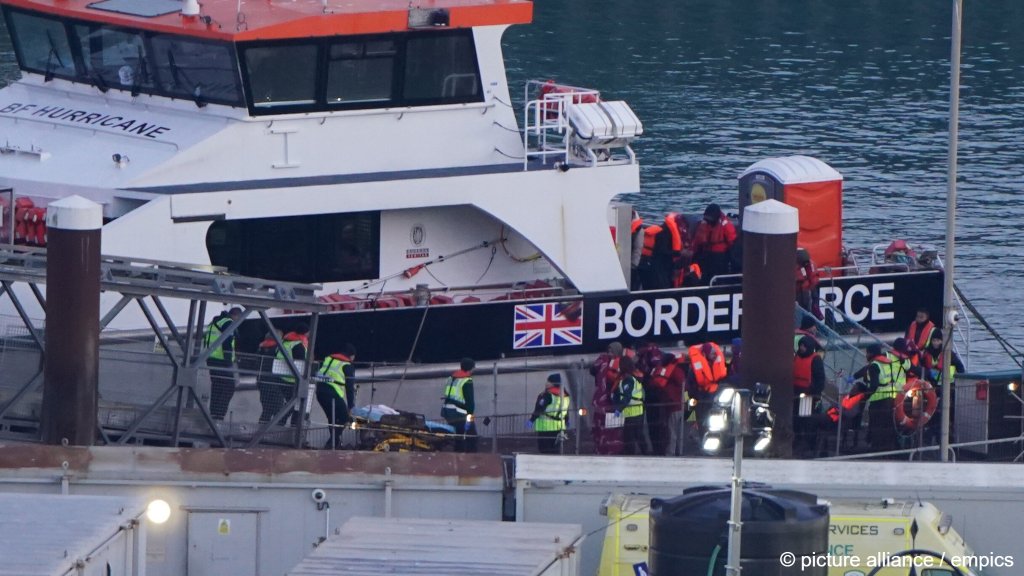
The United Nations has warned about the dangers of overcrowded crossings. At least 84 people were reported to have died attempting to cross the Channel in 2024. According to the UN Migration Agency IOM's Missing Migrants project, at least 36 died in 2025 between mainland Europe and the UK.
Returns deal and increased powers
The interception comes as the UK and France continue to trial the "one in, one out" returns scheme, which allows people who arrive in the UK by small boat to be sent back to France in exchange for the UK accepting an equal number of asylum seekers through legal routes. The agreement came into force in August 2025.
Only a relatively small number of people have been sent back to France under the scheme, so far. The trial period is due to end in June this year. At the end of October 2025, Sky News reported that about 70 people had been sent back to France from the UK and 55 had been readmitted to Britain from France. Some of those sent back to France have since made it over to Britain for a second time. One migrant, due to be deported this week, told the BBC that he would try again once in France to return to the UK, if the opportunity presented itself.
The UK has also introduced new powers to seize mobile phones and SIM cards from people who arrive by small boat, under the Border Security, Asylum and Immigration Act, which came into force last month.
Authorities say the devices will be used to gather intelligence on smuggling networks and trafficking routes, though critics and privacy groups have raised concerns about the scope of the searches and how the data may be used.
UK official figures show net migration fell to 204,000 in the year to June 2025, down 69 percent on the previous year.
Small boat arrivals account for about five percent of overall immigration to the UK, with most people entering the country through legal routes such as work, study and family visas.
Read AlsoEurope's new migration deals promise 'safe and legal routes,' but who really has access?