
Refugee children face an increased risk of mental health issues brought by the "limbo" of a protracted asylum application process that can drag on for years. Experts point to mental health support as well as access to extra-curricular activities in a school setting as a way to ease psychological stressors.
Refugee children in Europe are increasingly affected by prolonged asylum procedures, temporary protection regimes, and restrictive policy shifts that rights groups and psychologists say are taking a serious toll on their mental health and ability to integrate.
A report by the Thomson Reuters Foundation revealed that the bureaucratic aspects of asylum regimes, such as short-term protection visas, application processing that drags on for months at a time, coupled with the looming threat of deportation, are damaging the mental health of young refugees. This, combined with the trauma and violence they may have experienced during their journey to their host country, points to refugee children as being more likely to have anxiety, suicidal thoughts, and depression. In some cases, the result is a state of protracted limbo brought by precarious present circumstances and an uncertain future.
In interviews with the Thomson Reuters Foundation, young refugees described how ongoing insecurity over their status compounds pre-existing stress. One Syrian boy in Britain said he would "rather die than return to Syria" when asylum authorities suggested that the situation in his home country might be considered "improved" following the fall of the Assad regime.
Read AlsoUNHCR urges protection for unaccompanied migrant children in Spain
Negative emotions
In a 2024 report published by child rights group Save the Children, "Hope and Harm: Children's Experiences in Seeking Safety in Europe," about 38 percent of the children interviewed said they felt less happy since they fled their country of origin. Over three-quarters, or about 75 percent, described feeling anxious about the future, restlessness, difficulty sleeping, and having nightmares.
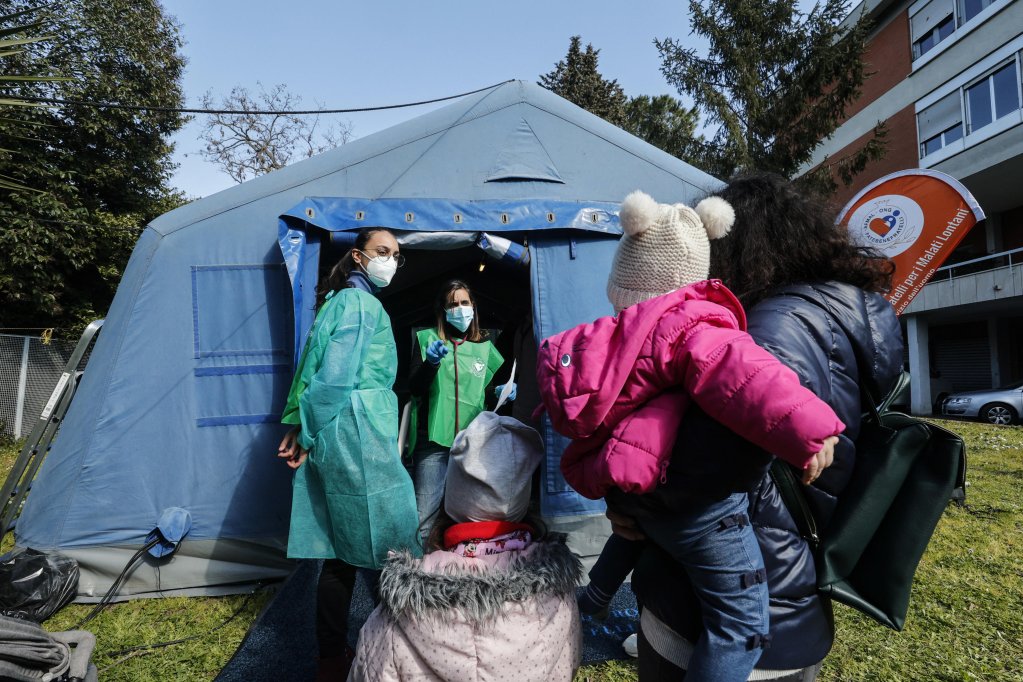
The research, which covered 11 European countries, was based on interviews with over 300 teachers and caregivers, 18 focus group discussions with child asylum seekers, and the responses of 222 child refugees to a detailed questionnaire.
The report also detailed the nuanced emotional distress experienced by the children who were included in the study.
Children who fled Ukraine in the wake of the Russian invasion, for example, consistently mentioned separation from their fathers, who are unable to leave the country under martial law, as a constant challenge. In total, 30 percent of caregivers reported having to leave immediate family members in their country of origin.
For children from Asia, Africa, and the Middle East who were interviewed in Lithuania and Greece, a main concern was establishing a legal stay. According to the study, a lack of documents is not only a hurdle to accessing protection and education -- which are often based on age -- but it also exposes child migrants to risks of exploitation.
About 25 percent of the child migrants interviewed said that their long and often perilous journey left them feeling fearful of violence. However, the study noted that children in Afghanistan, Syria, Ethiopia, and elsewhere faced "more significant violations and violence on their journey."
'No bombs, no rockets'
The study also covered sources of hope for the children. Over a third of the children who answered Save the Children's questionnaire expressed increased happiness since leaving their country of origin. For some, it was a renewed sense of safety that they had lost in their home countries. In focus group discussions, children reported feeling safer and free from threats. One child reportedly said that now there are "no bombs, no rockets".
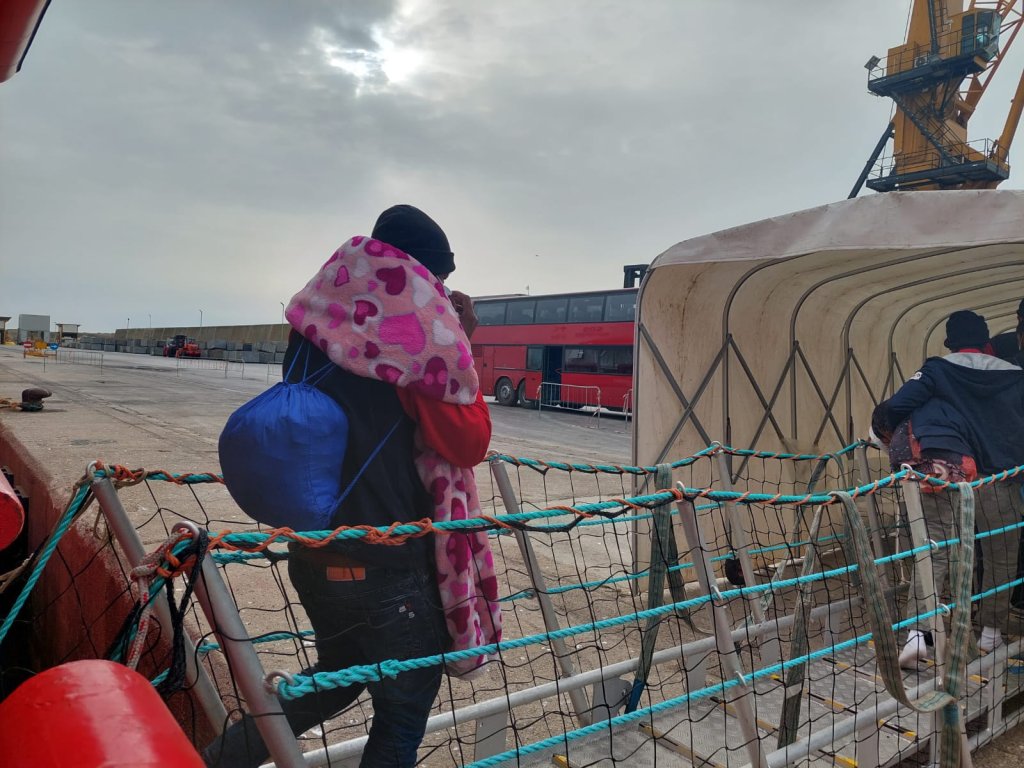
Participation in school was highlighted not only as a haven for integration and learning but also a place for personal development. One teacher in Bosnia and Herzegovina put it, "only enrolling them in school is not enough." Extra-curricular activities were seen as the avenue where children could complement academic learning with personal enrichment.
The study recommended addressing language barriers, distance from schools, limited transportation, and a lack of financial resources that prevent children from fully accessing educational learning and social integration offered by school settings.
Apart from highlighting the need for mental and psychological support that is anchored on the needs of migrant children, the report also called for reducing asylum backlogs, simplifying residence permit procedures, and promptly appointing guardians for unaccompanied children, while prioritizing family-based care and family reunification, as well as an end to child detention.
Read AlsoUNICEF: 'More inclusive policies needed for migrant children'