
The conflict in Sudan between two rival military factions has raged for more than 1,000 days, triggering a staggering humanitarian crisis. Aid agencies warn that turning a blind eye to this crisis would be "a failure of our core humanity".
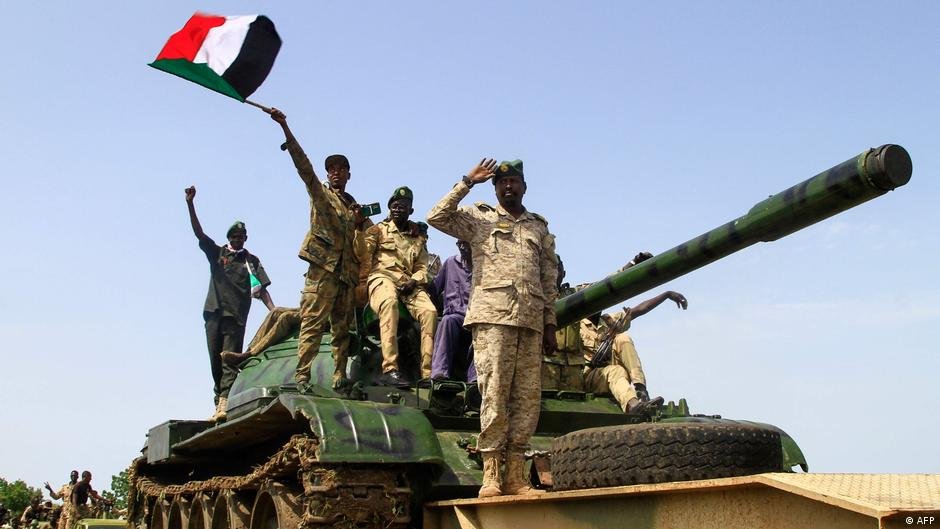
The conflict between the Sudanese Armed Forces (SAF) and the Rapid Support Forces (RSF) in Sudan has raged for more than 1,000 days. It now stands as one of the world’s most severe and least-reported humanitarian disasters. Sudan has been plunged into a political crisis marred by hunger and displacement.
The conflict erupted on April 15, 2023, when long-standing tensions between the SAF and the RSF -- once allies in Sudan’s military -- boiled over into open warfare, starting in the capital, Khartoum. This soon escalated into a nationwide crisis, engulfing multiple regions. Civilians were caught and cornered into political fragmentation and violence.
According to a report by the Migration Policy Institute, the conflict has raged during a time of global cuts to humanitarian aid, worsening the impact of the crisis.
"While Sudan has suffered civil wars before, the scale of the current crisis marks an unprecedented and deeply troubling chapter in its history. At the same time, global cuts to humanitarian aid have reduced the amount of support available for displaced people and may prolong the crisis," said MPI.
MPI reported an estimated 150,000 lives lost by June 2024--a year after the conflict started. Two years on, by July 2025, an estimated 12 million people had been forced to leave their homes, including 7.7 million internally displaced persons (IDPs). More than half of the IDPs are reportedly children.
A ripple effect of the conflict is massive displacement. Approximately 4.1 million of the displaced have left Sudan to seek protection, MPI reported. Of this number, about 3.2 million are Sudanese nationals, including about 800,000 refugees from other countries who returned to their place of origin or relocated elsewhere.
Read AlsoOver 1.5 million Sudanese fleeing war now in Egypt
Civilians most affected
Civilians have been at the jagged edge of the conflict, with social support systems crumbling under the weight of protracted warfare. Already fragile healthcare systems have largely collapsed, with attacks on medical facilities, a shortage of medical supplies, and personnel severely undermining life-saving care. According to the World Health Organization (WHO), more than a third of health facilities remain non-functional. Widespread outbreaks of diseases, including cholera, dengue, and malaria, have been recorded.
"One thousand days of conflict in Sudan have driven the health system to the brink of collapse. Under the strain of disease, hunger, and a lack of access to basic services, people face a devastating situation," WHO Representative in Sudan, Dr Shible Sahbani, said in a statement.
Despite these mounting horrors, international media attention has lagged. Competing global crises, geographical distance, and challenges gaining sustained access to conflict zones have all contributed to what aid workers and observers describe as Sudan’s status as a "forgotten war." Journalism from within the country is difficult and dangerous, while many major outlets have prioritized coverage of conflicts in Ukraine, the Middle East, and other hotspots. Experts also point to historical biases in international reporting that often marginalize African conflicts.
Read AlsoFree trains, full hearts: Sudanese refugees return home from Egypt
Staggering humanitarian crisis, overlooked
Sudan’s war has created what the UN and aid agencies call the largest displacement crisis in the world. A report, The Unravelling of the World’s Largest Humanitarian Disaster: From the Sahel to the Red Sea, published jointly by humanitarian organizations responding in Sudan and neighboring countries, estimates that almost nine million people are living in or on the brink of famine. More than 20 million people require health assistance, and a staggering 21 million face acute food insecurity. Nearly one-third of the population has been forced to flee their homes, with 3.7 million of them relocating to neighboring countries, including South Sudan and Chad. These countries, noted the report, are ill-equipped to manage the influx of refugees from Sudan.
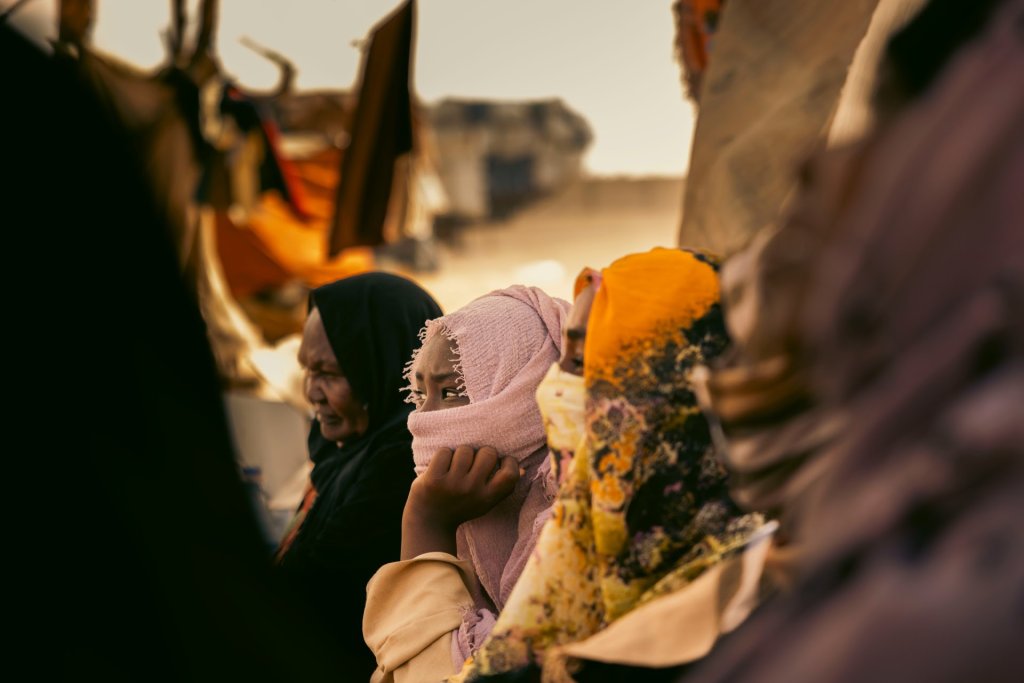
Despite the scale of human suffering, the war in Sudan remains largely overlooked. Oxfam noted that the UN’s humanitarian funding appeals for Sudan remain underfunded, limiting the capacity of organizations to deploy much-needed aid to those in need.
Fati N’Zi-Hassane, Oxfam's Africa Director, warned of the impact of the crisis spilling over into the region. "We are already witnessing clashes between armed groups from South Sudan and Sudan. This volatile situation is simmering like a volcano ready to erupt any minute. Unless the fighting stops and the humanitarian crisis is addressed, the situation could quickly turn into a full-blown regional catastrophe."
Read Also'I lost my child' – A South Sudanese refugee's journey towards Europe
Forced to flee
Sudan’s protracted war has triggered massive displacement and migration. Data from the United Nations Refugee Agency show that some people have experienced being displaced multiple times.
As of March 2025, individuals displaced within Sudan were primarily from Khartoum (31 percent), South Darfur (18 percent), and North Darfur (16 percent). Many of those displaced were already displaced prior to the escalation in clashes and experienced secondary or tertiary displacement.
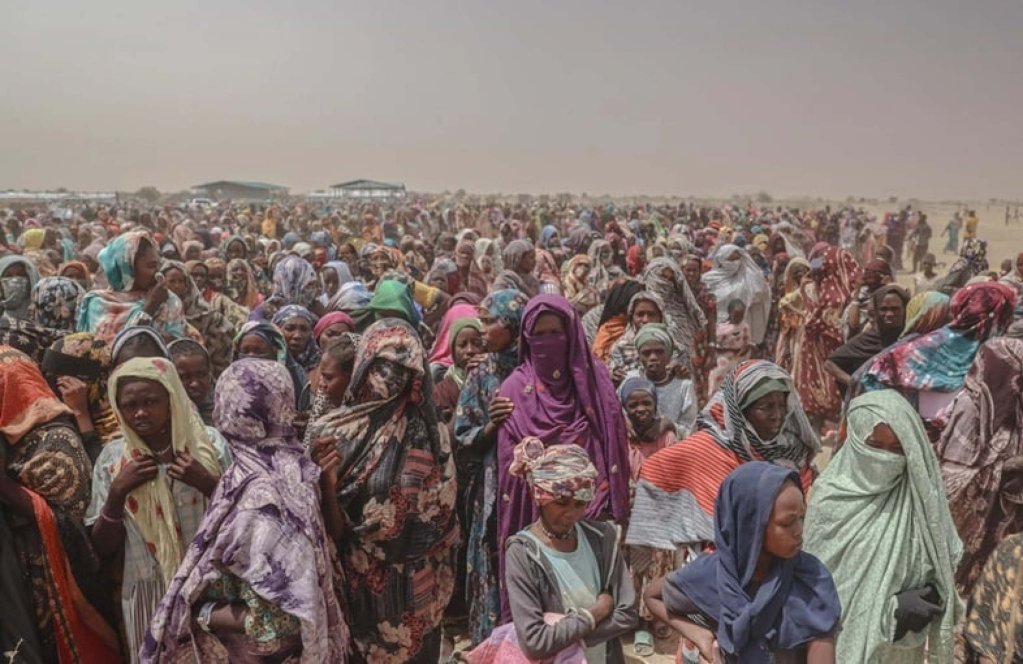
Some Sudanese have attempted even longer journeys, reaching North Africa and risking entering Europe irregularly. Some have found their way to transit countries such as Egypt, where an estimated 1.5 million Sudanese nationals have fled.
Doctors without Borders (also known by their French acronym, MSF) has been providing medical assistance to the displaced. MSF has noted the extreme emotional and psychological stress brought on by having to flee Sudan, compounded by an uncertain future where they are indefinitely displaced in a foreign country.
The European Union Agency for Asylum notes that in September 2025, asylum applications from Sudanese nationals reached 2,100, up by 147 percent compared to the same period in 2024. In Greece, Sudanese applications for international protection increased by some 366 percent in the 12 months leading up to September 2025.
Oxfam's Fati N’Zi-Hassane warned of the consequences of continuing to ignore the humanitarian crisis in Sudan: “Turning a blind eye to this crisis would not only be a profound political and moral failure, but a failure of our core humanity.”
Read AlsoWar in Sudan: 'In Darfur, some people have been displaced for the third or fourth time'